The prototype speaker I
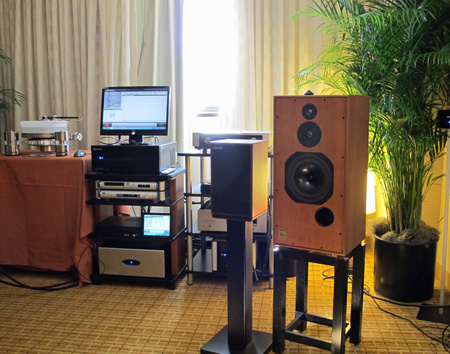
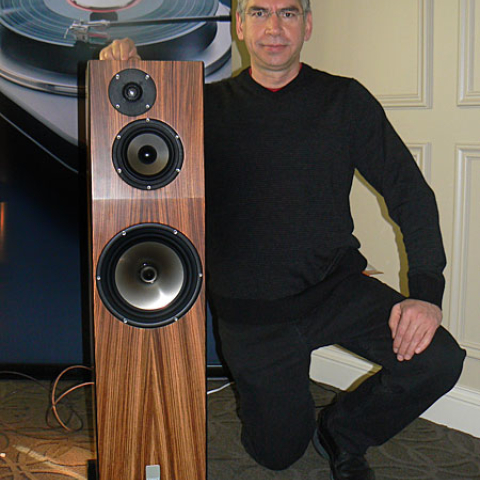
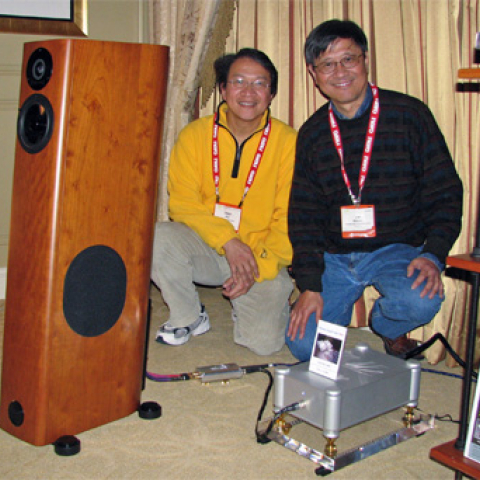
shamelessly coveted at the 2007 RMAF, the Harbeth 40.1, resurfaced in final form at THE Show’s Alexis Park location. Paired with Resolution Audio’s exceptional-sounding components, it again made my mouth water. Now positioned on new, lower stands (which, in my not-so-humble opinion, look far more attractive, and far less like a funeral casket, when not draped in black cloth), the full-range 40.1 monitors have an immensely detailed, beautifully layered, extremely controlled midrange whose harmonic richness is hard to resist. Toed-in toward the listener, the speakers' high end was equally compelling.
The drum thwacks on Karina Gauvin’s chamber ensemble arrangement of one of Canteloube's
Songs of the Auvergne were among the most realistic I've heard from this frequently played CD, as was the decay of room resonance. I also enjoyed the beautiful harmonic richness of orchestra and piano on Martha Argerich's live recording of Beethoven’s Piano Concerto 2 with Claudia Albano.
I also delighted to have an extended conversation with Harbeth's warm, delightfully candid owner and designer Alan Shaw. Shaw acquired Harbeth nine years after BBC retiree Dudley Harwood launched the company in 1977, and clearly loves his work. Most disturbing was his report that the BBC, which dismissed its Chief Engineer years ago in a cost-saving move, has now redesigned its new studios as completely glass-enclosed echo chambers. The resonance is so awful that if you have a panel discussion, with some speakers farther from the mikes than others, it can be hard to understand them. The fabled BBC-studio sound of Harbeth loudspeakers is perhaps wasted on such blockheads. Happily, you and I can appreciate it to the max in our homes.
Alan, who is extremely conscious of environmental impact when building his speakers, has designed Harbeths to last. Because people fall in the love with them, and hold onto them for years, any Harbeth speaker can be easily supported and repaired to virtually sound like new. (Note, however that there are so many changes between the 40 and 40.1 that an upgrade is impossible). The speakers are said to extend flat down to 40Hz, present an extremely easy 6–8 ohm load for tube amps devoid of major impedance peaks and dips, and compensate for their unapologetic boxy appearance with wonderfully open sound. With plenty of new dealers in the US, these are major audition components.