John Atkinson
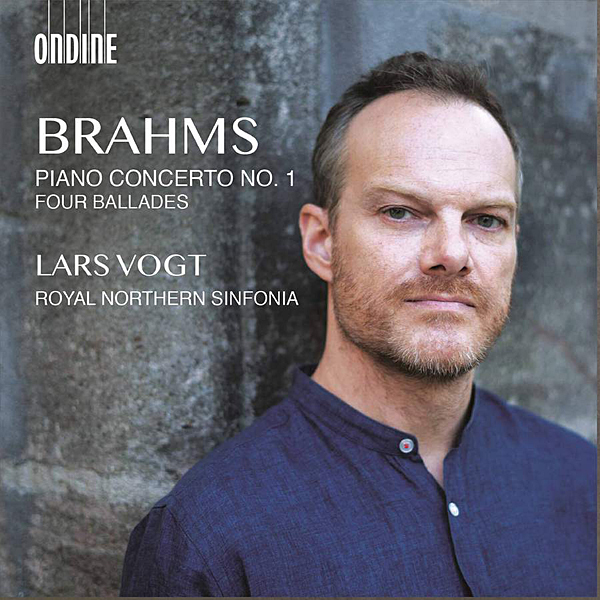 Brahms: Piano Concerto No.1; Four Ballades & Piano Concerto No.2; Handel Variations
Royal Northern Sinfonia. Lars Vogt, piano, cond.
Ondine ODE 1330-2 & ODE 1346-2 (CDs; 24/48 FLAC, Qobuz). 2019 & 2020. Jochen Hubmacher, Reijo Kiilunen, Susann El Kassar, exec. prod.; Julian Schwenkner, Richard Halling (Concerto Nos.1 & 2), eng., Michael Morawietz (Ballades, Handel Variations), eng. I first encountered German pianist Lars Vogt in the complete set of Brahms piano trios with violinist Christian Tetzlaff and cellist Tanja Tetzlaff (Ondine ODE 1271-2D), which I nominated as one of my 2017 Records to Die For. I subsequently fell in love with Vogt's and Christian Tetzlaff's performance of the Brahms violin sonatas (Ondine ODE1284-2), so I was devastated to learn of the pianist's death on September 5, 2022, from cancer. He was only 51. My first 2023 R2D4 choice is therefore Vogt's monumental performances of the two Brahms Piano Concertos with the UK's Royal Northern Sinfonia, which have been in heavy rotation the past two years. Not only was Vogt the soloist, he also conducted the orchestra from the piano, which allowed him to impart his own vision of the works in a rhapsodic interpretation—he even disregards the composer's own tempo markings at times. The result is new life breathed into these often-recorded masterworks. The sound of the piano is clean and clear, with excellent low-frequency weight, though its presentation in the second concerto is a little larger than life compared with the orchestral image.
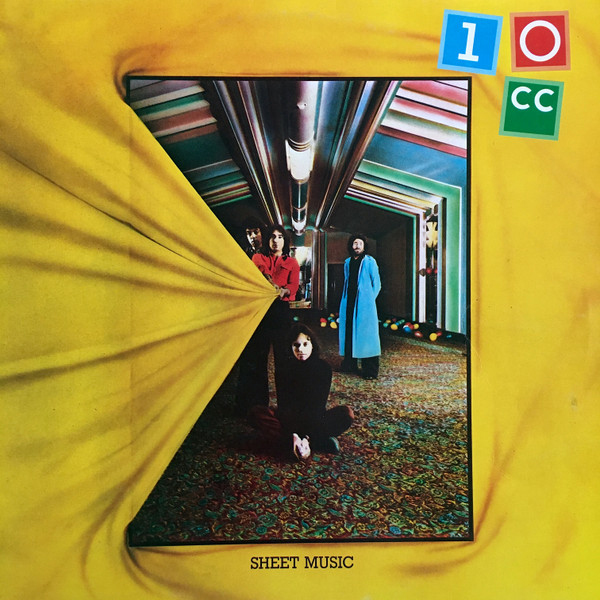 10cc: Sheet Music
UK Records UKAL 1007 (UK LP, 1974; 16/44.1 FLAC, Tidal). Lol Creme, Kevin Godley, Graham Gouldman, Eric Stewart, prod., Eric Stewart, eng. I was familiar with bass player Graham Gouldman—he wrote the hits "For Your Love" for The Yardbirds and "Bus Stop" for The Hollies—and with guitarist Eric Stewart, who was a member of 1960s pop group Wayne Fontana and the Mindbenders. But British band 10cc, based in Manchester, was new to me when I bought their Sheet Music LP. Released in 1974, this great-sounding album was an explosion of creativity, which was perhaps to be expected given that, along with Gouldman and Stewart, 10cc's other members, Lol Creme and Kevin Godley, were also multi-instrumentalists, composers, and producers. People are probably most familiar with the album's hit singles, "The Wall Street Shuffle" and "Silly Love." The track that has stayed in my mind all these years is "The Old Wild Men," a plaintive paean honoring aging musicians. A half-century ago, I was playing bass guitar on sessions at Abbey Road and Sawmills studios as well as touring and playing radio and TV dates with rock bands. My last live gig was in 2015, and although I never regretted abandoning my fulltime music career to become a hi-fi writer and magazine editor, deep inside I am still one of the "old men of rock and roll [who] came bearing music," in the words of the song's second verse (footnote 2).
Jim Austin
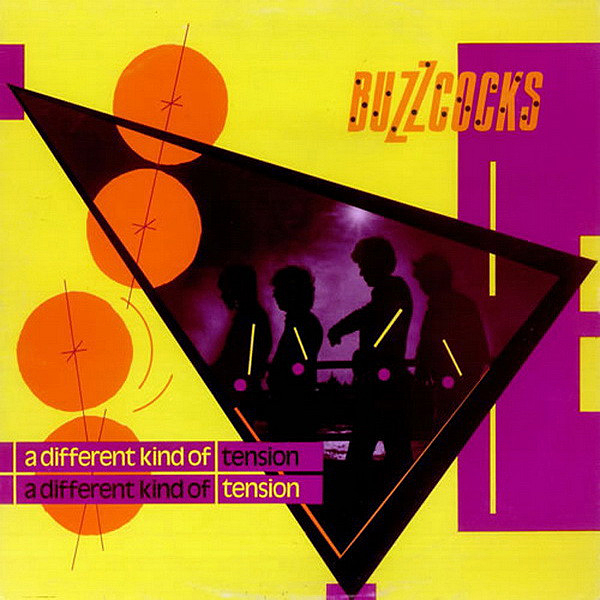 The Buzzcocks: A Different Kind of Tension
I.R.S. SP009 (LP). 1979. Martin Rushent, prod., eng.; Martin Hannett, prod.
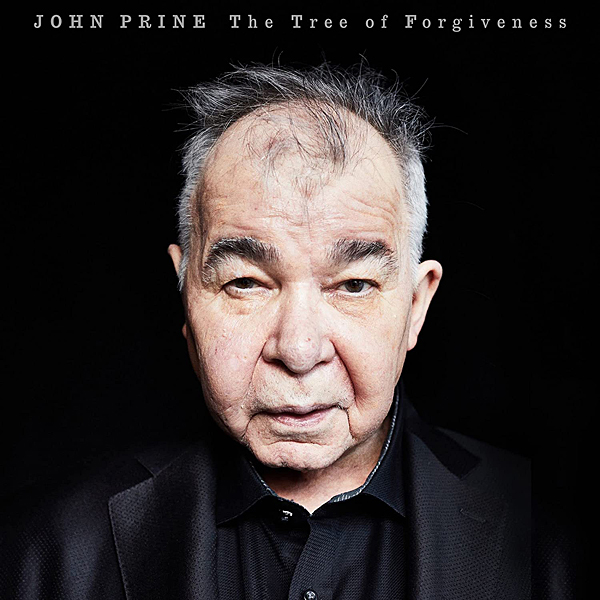 John Prine: Tree of Forgiveness
Oh Boy Records OBR-046 (LP). 2018. Matt Ross-Spang, eng.; Dave Cobb, prod. This is not John Prine's best album. What it is, is his last album, and it plays like a lifetime retrospective, with an obvious fatalism offset by Prine's usual edgy wit. Even the cover is intriguing: a gatefold with a brilliant, very human portrait on the front and another inside superimposed on an image of tree rings. Opposite the interior portrait are photographs with intriguing juxtapositions: Prine playing guitar next to an overexposed foil fake Christmas tree; dipping a chess piece (the queen) into a glass of whiskey; a handful of pocket change in front of a shiny Cadillac. The lyrics have their own juxtapositions (jokes about statue penises in a song called "Lonesome Friends of Science"?). Mainly though, the album is full of presumably autobiographical scenes from a life richly lived. For pure, unpretentious feeling, I'll take the simple "I Have Met My Love Today" over any country anthem I've heard in the last 20 years. Though it can be fatalistic ("When you're dead, you're a dead peckerhead," it concludes), for me it plays mainly as a commitment to faith and values so many of us share. In "When I Get to Heaven," Prine tells us just what he plans to do on that occasion—which, he seems to have accepted, will happen soon. First, he'll take off his watch (because "what are you gonna do with time after you've bought the farm?"). Then he'll go find his mom and dad and his good-ole brother Doug, then he'll give his aunts a hug. (Just try listening without tearing up.) He's gonna have a cocktail (vodka and ginger ale), smoke a nine-mile cigarette, and kiss that pretty girl on the tilt-a-whirl. Sign me up.
Robert Baird
 Mavis Staples, Levon Helm: Carry Me Home
Anti 87859 1 (LP). 2022. Larry Campbell, prod.; Justin Guip, Brendan McDonough, engs. Among the rarest of musical flowers—a drummer with a fine lead-singer voice—Levon Helm, who once backed Bob Dylan along with his talented cohorts in The Band, rallied from a late-'90s bout with cancer to resume playing in the Midnight Rambles, held in his barn in Woodstock, New York. The shows were built around guests, and this appearance by another American musical treasure, Mavis Staples, is a keeper. Wisely tilted toward Staples's strengths, the setlist has gospel ("Farther Along"), blues ("Trouble in My Mind"), protest ("This Is My Country"), and even a Band hit ("The Weight"). As live sets go, this one has a natural presence, wide dynamic range, and a beautiful balance between vocals, the 17-piece band, and the enthusiastic audience.
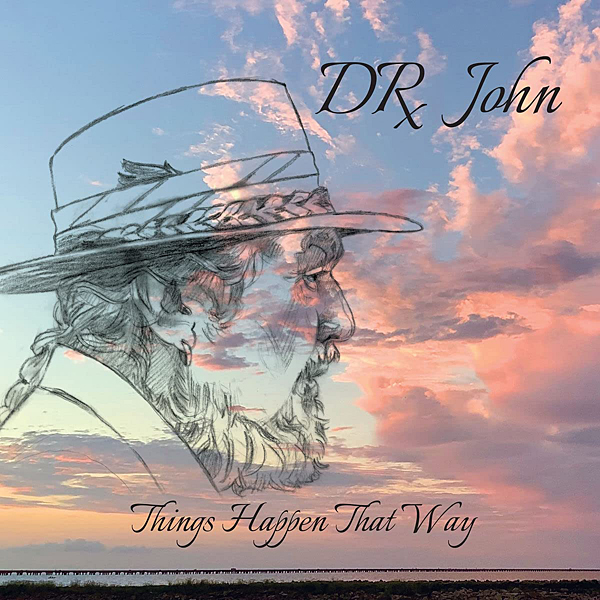 Dr. John: Things Happen That Way
Rounder Records 1166101699 (LP). 2022. Malcolm John Rebennack Jr., Shane Theriot, Lukas Nelson, prods.; Misha Kachkachishvili, Jack Miele, engs.
Rogier van Bakel
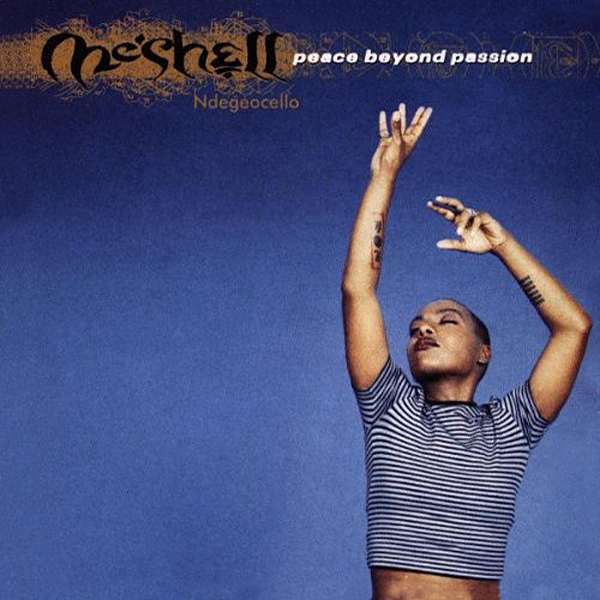 Me'shell NdegéOcello: Peace Beyond Passion
Maverick 9-46033-2 (CD). 1996. David Gamson, prod.; Rail Jon Rogut, David Gamson, Charles Nasser, Mike Krowiak, engs. NdegéOcello's most tortured album is suffused with earnestness and a yearning for clarity and peace. Her songs tackle poverty, domestic abuse, racism, and the tension between her religious convictions and her bisexual attractions. It's heavy stuff, but heavier still are the unbelievable beats. An electric bass player—in both senses of the word—NdegéOcello is the equal of luminaries like Victor Wooten and Marcus Miller, except she doesn't rub listeners' noses in her virtuosity. Everything she does is in the service of the groove. Peace Beyond Passion is an R'n'B and funk record, and yet, to quote David Byrne, "this ain't no party"; it's a dark confessional and a bitter search for tranquility. It is rooted in a personal low, but rose to an early career high.
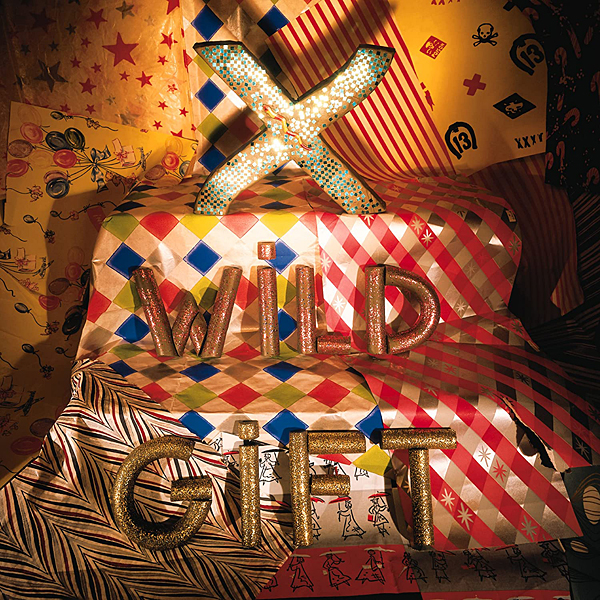 X: Wild Gift
Slash Records R2 74371 (CD). 1981. Ray Manzarek, prod.; Clay Rose, eng. Until I heard this album, I associated punk rock with nihilism. Wallowing in abnegation and disgust certainly had its moments—I confess to a lingering weakness for the early Sex Pistols—but it's an attitude with, well, no future. By contrast, X, the L.A. punk band fronted by singer/bassist John Doe and vocalist Exene Cervenka, was passionate about life even when it sucked. Wild Gift is a bohemian chronicle of urban poverty and living on the edge, a theme that's juxtaposed here with an almost un-punkish sweetness. Doe and Cervenka have recently tied the knot, and neither was averse to mining the still-happy marriage for musical nuggets. Steeped in guitarist Billy Zoom's glorious rockabilly riffs, the album stands as a reminder of two things: that punk is hardly synonymous with poor musicianship (see also the Clash, Bad Religion) and that X was, for a few years at least, one of the rockingest bands in the world.
Larry Birnbaum
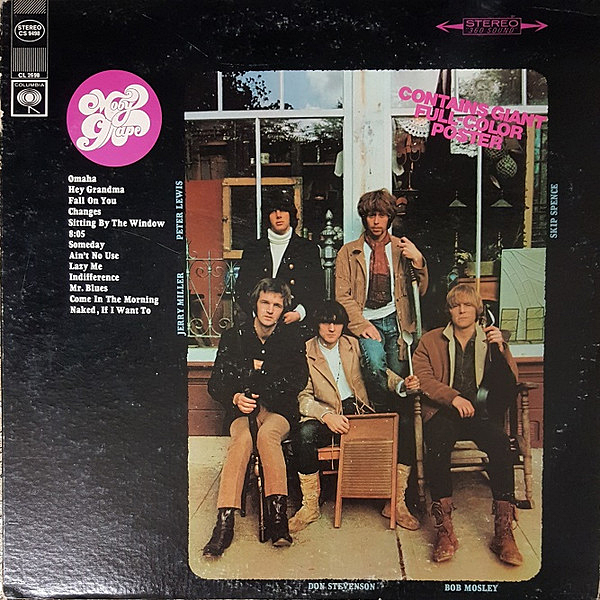 Moby Grape: Moby Grape
Columbia CS-9498 (LP). 1967. David Rubinson, prod., eng. You can hardly blame Columbia Records for hyping this San Francisco quintet's eponymous debut recording, arguably the greatest rock album of the psychedelic era. The anticommercial reaction to the overpromotion, however, nearly derailed the band's success. Fusing country rock with power pop, the set features three grippingly interactive guitars, gorgeous four-part vocal harmonies, and irresistibly catchy compositions by all five members. Every track is a knockout, but the real highlight has got to be "Omaha." The frantic energy in this song more than compensates for its oddly uneven mix and cryptic lyrics, which here, as elsewhere on the album, hint at the drug-fueled mental aberrations that would ultimately be the band's undoing.
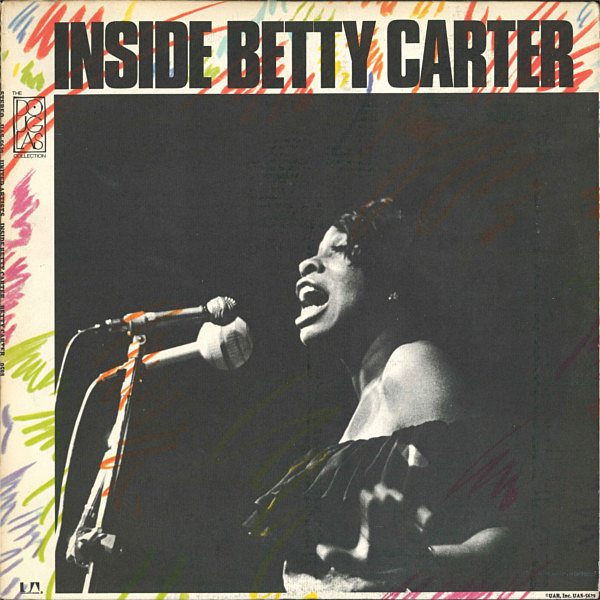 Betty Carter: Inside Betty Carter
Betty Carter, vocals; Harold Mabern, piano; Bob Cranshaw, bass; Roy McCurdy, drums.
United Artists UAS-5639 (LP). 1964/1972. Alan Douglas, prod.; Bill Schwartau, eng.
Phil Brett
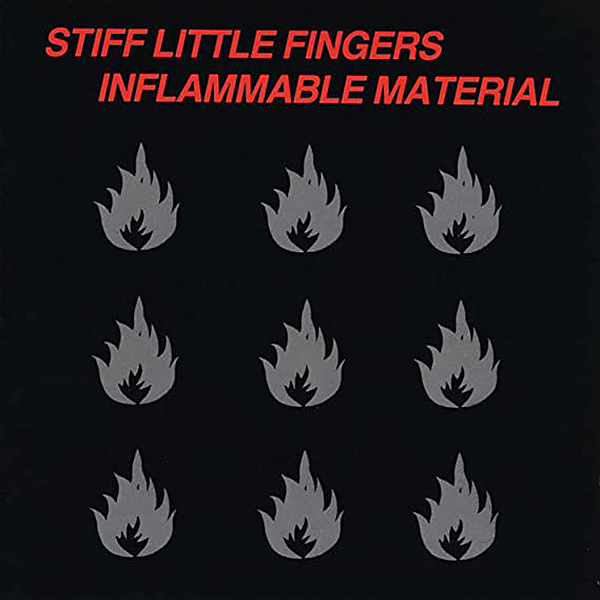 Stiff Little Fingers: Inflammable Material
Parlophone 0190295448271 (LP). 1979. Geoff Travis, Mayo Thompson, prods.; Mike Kemp, eng. Inflammable Material was possibly the last classic punk album: fast, angry, and relevant. And what was relevant to Belfast band Stiff Little Fingers was "the Troubles," an innocuous-sounding term that might refer to some squabble over a hedge, but in fact euphemizes a brutal war, a war they grew up in. These are songs of adolescent boredom and alienation—with bombs and paratroopers. When Jake Burns sings of a mother seeing her son shot in the street, in Bob Marley's "Johnny Was," he's singing of real life. But it's not all tragedy in this album; there's humor too ("Barbed Wire Love"—doowop with booby traps!). The singles "Alternative Ulster" and "Suspect Device" are as explosive as Semtex but are also incredibly catchy. The times have changed, but the power of music hasn't.
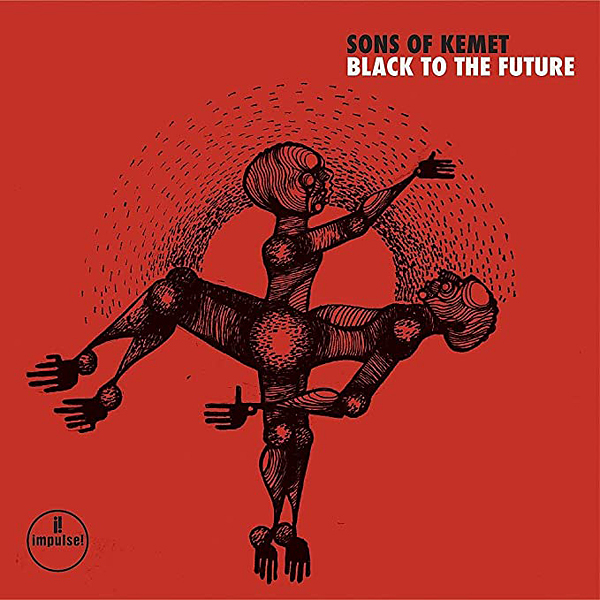 Sons Of Kemet: Black To The Future
Impulse Records 00602435621661 (LP). 2021. Shabaka Hutchings, Dilip Harris, prods.; Guy Davie, master.
Footnote 2: Old men of rock and roll/Came bearing music/Where are they now?/They are over the hill and far away/But they're still gonna play guitars/On dead strings, and old drums/They'll play and play to pass the time/The old wild men.