Jon Iverson
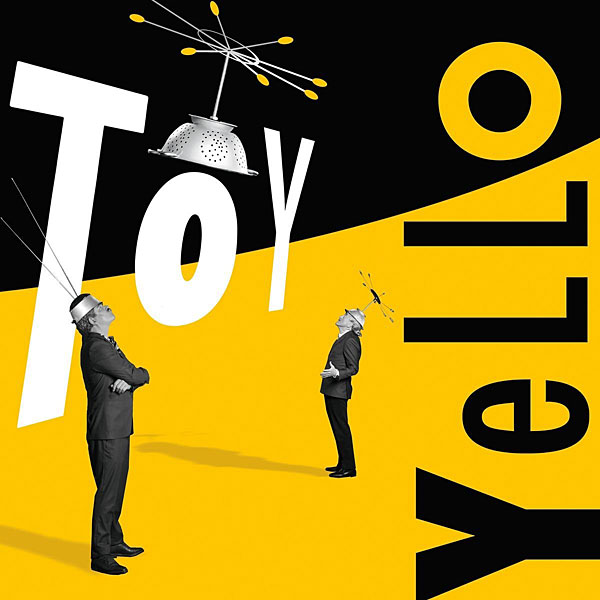 Yello: Toy
Polydor 4782160 (24/48 PCM download). 2016. Yello, prods.; Boris Blank, eng. DDD. TT: 61:04 This is the thick, frosty chocolate milkshake of your sonic dreams. Toy will light up any audiophile system (and your earbuds) with an aural sweetness and luxuriant flavor that push out the soundstage walls for miles and reach as deep down into dark-chocolate depths as recordings can go. All of which would be a terrible waste if there weren't so much rich, creamy songwriting at the heart of these frothily arranged tunes. And yes, there are whipped cream and several cherries on top: Malia, Fifi Rong, and the resonant Dieter Meier take turns on vocals.
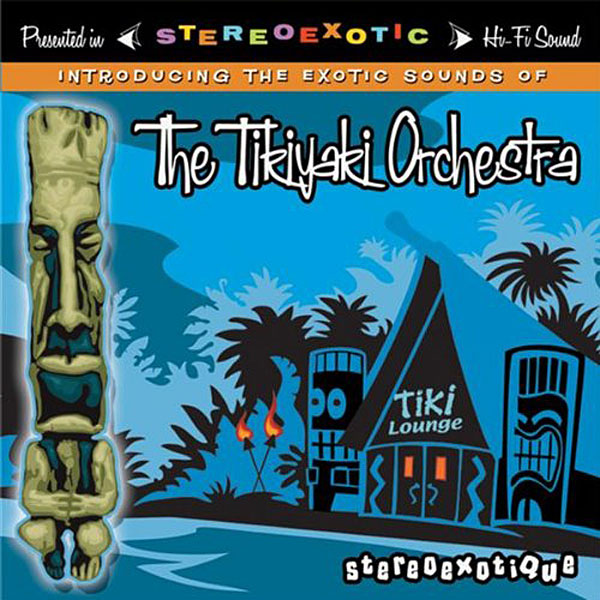 The Tikiyaki Orchestra: Stereoexotique
Future Primitive FP-003 (CD). 2007. Jim Bachi, prod., eng. DDD. TT: 40:30 Lounge and exotica have always held revered places in audiophileland, but you've never heard them mixed—along with spaghetti western, space-age bachelor pad, and spy themes—into as potent a concoction as in this musical mai tai. The drums and tropical percussion are saturated with deep, dark rum tones, while pineapple-flavored notes wrung from wooden and steel xylophones float and vibrate throughout. There's also twangy, lime-infused surf guitar, along with syrupy-sweet Hawaiian-steel glissandos and Curaçao-laced piano, all finished off with minty electric organ. Garnish and serve with a straw and a tiny, brightly colored umbrella.
Fred Kaplan
I've been doing this bit every year since 2008, there are only so many records I'd be willing to die for, and I think I've covered pretty much all of them. So let me twist the assignment, in a way suitable for this season of holiday cheer and political drear, to the records I most live for—those albums that most incite music's charms to soothe a savage breast (and excluding those I've listed before).
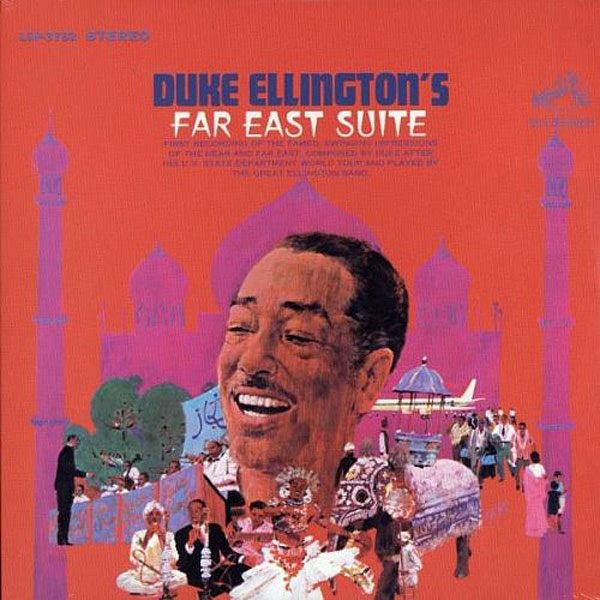 Duke Ellington & His Orchestra: The Far East Suite: Special Mix
Bluebird 66551-2 (CD). 1967/1995. Brad McCuen, prod.; Ed Begley, eng.; Orrin Keepnews, reissue prod.; James Nichols, remastering. ADD. TT: 61:16 Never mind that it should have been called The Near East Suite (inspired, as it was, by a journey through that part of the globe)—this is one of Duke's finest albums, a glimpse of what fusion might have been, and heady, kaleidoscopic balm for the soul. I still think you can usefully divide the world into those who melt at Johnny Hodges's solo in "Isfahan" and those who don't. Four alternate takes are included, and the sound—an improved mix from the original four-track analog tapes—is excellent. (Vol.18 No.10)
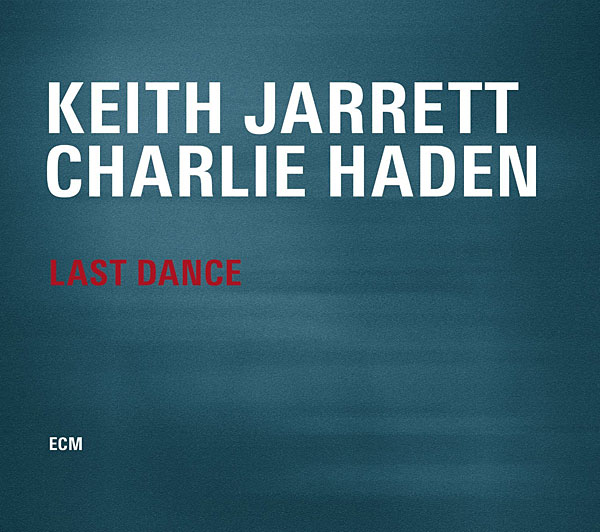 Keith Jarrett & Charlie Haden: Last Dance
Charlie Haden, double bass; Keith Jarrett, piano
ECM 2399 (CD). 2014. Keith Jarrett, prod.; Martin Pearson, eng. DDD. TT: 76:07
David Lander
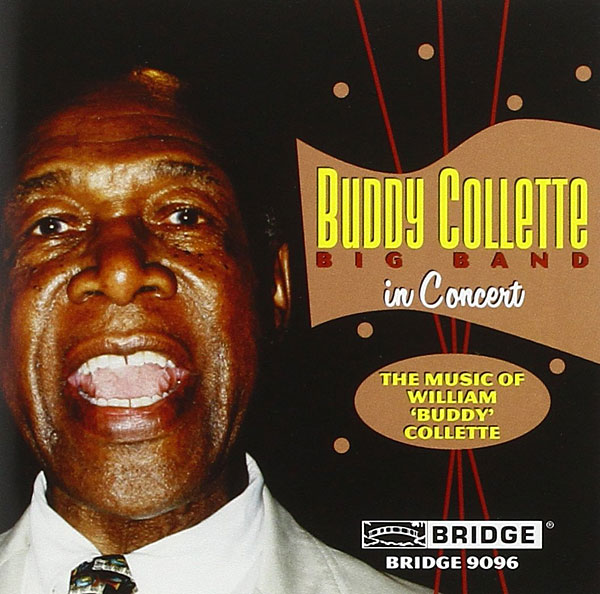 Buddy Collette Big Band: In Concert
Buddy Collette, woodwinds; Al Viola, guitar; Fred Katz, cello; Gerald Wiggins, piano; Richard Simon, bass; Ndugu Chancler, Chico Hamilton, drums; 15 others on woodwinds, trumpet, trombone
Bridge 9096 (CD). 2000. David & Becky Starobin, Anne McLean, prods.; John Tyler, mix; Adam Abeshouse, remastering. DDD. TT: 56:04 William "Buddy" Collette was a gifted composer and arranger as well as a saxophonist, clarinetist, and flutist. A West Coast Jackie Robinson of jazz, in 1949 he integrated the orchestra on Groucho Marx's radio and TV quiz show, You Bet Your Life, and helped effect the merger of the separate black and white locals of the Los Angeles musicians' union. Collette grew up in L.A.'s Watts district alongside Charles Mingus, who switched from cello to bass at his suggestion. In 1955 and '56, Collette was part of the Chico Hamilton Quintet, and for decades was a presence in his hometown's recording and television studios. In 1998, L.A.'s mayor designated Collette "A Living Los Angeles Cultural Treasure." This CD was recorded at a 1996 Library of Congress concert in Washington, DC, where a consort of longtime colleagues joined Collette to play a program of selections composed and mostly arranged by him. Brimming with bold solos, it's a basket of multihued musical gems.
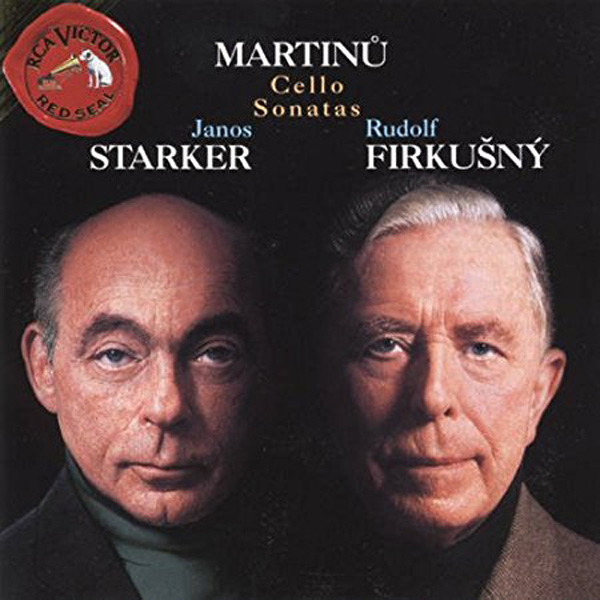 Martinu: Cello Sonatas 1–3
János Starker, cello; Rudolf Firkusny, piano
RCA Victor Red Seal 61220-2 (CD). 1990/1992. David Frost, prod.; Tom Lazarus, Louise de la Fuente, engs.; Robert Rapley, Rudy Chalupa, John Klepko, editing. DDD. TT: 54:21 Maybe Czech composer Bohuslav Martinu never wrote religious music because he was a sexton's son who grew up in a church-tower apartment. Nevertheless, his catalog is diverse, comprising a sweep of works ranging from chamber pieces and ballets to operas and symphonies. In the early 1920s, Martinu moved to Paris, where audacious artistic sages were leading disciples in various directions. He ultimately espoused the neoclassicism reflected in these three lovely sonatas, composed in 1939, 1942, and 1952. The pianist Rudolf Firkusny, also Czech, performed the first of them in Paris, with Pierre Fournier, before fleeing Nazi-dominated Europe for New York City, where Martinu sought refuge soon afterward. Firkusny helped the composer settle in and continued to champion his compatriot's music, which almost always included the piano. The graceful ensemble playing delivered by Firkusny and cellist János Starker in this studio recording is everything you'd hope for from two top-ranked virtuosi.
Michael Lavorgna
 Nick Cave & the Bad Seeds: Skeleton Tree
Bad Seed Ltd. BS009V (LP). 2016. Nick Cave, Warren Ellis, prods.; Kevin Paul, Jake Jackson, engs. DDD? TT: 39:44
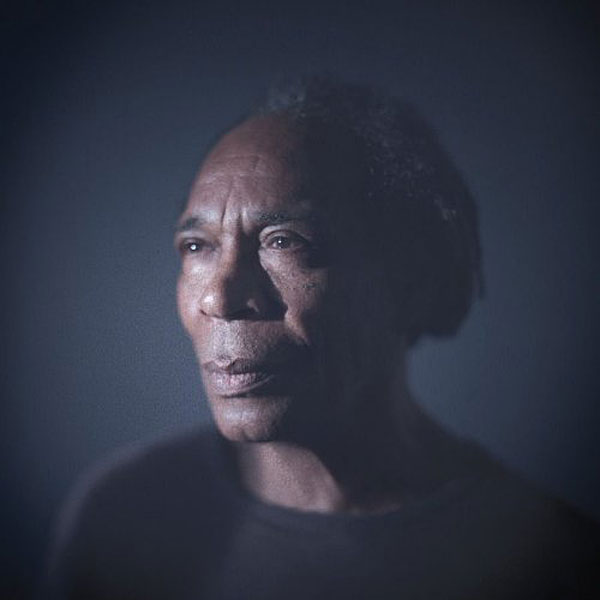 Jacques Coursil: Trails of Tears
Jacques Coursil, trumpet; Perry Robinson, clarinet; Mark Whitecage, alto saxophone; Bobby Few, piano; Jeff Baillard, keyboards; Alex Bernard, Alan Silva, bass; Sunny Murray, José Zébina, drums
Sunnyside Communications B004ETVB1K (CD, Bandcamp download). 2010. Bruno Guermonprez, prod.; Jeff Baillard, Yvan Brard, Marc Escavis, Hubert Marniau, Thomas Vingtrinier, Tony Viscardo, engs.; Christophe Hauser, mix. ADD? TT: 39:54 This is one of the saddest, most beautiful records I've heard. Jazz trumpeter Jacques Coursil tells tales of suffering: "Every time someone is suffering, there is someone there who is making them suffer. It's a common story, as much your story [or] my story."
Richard Lehnert
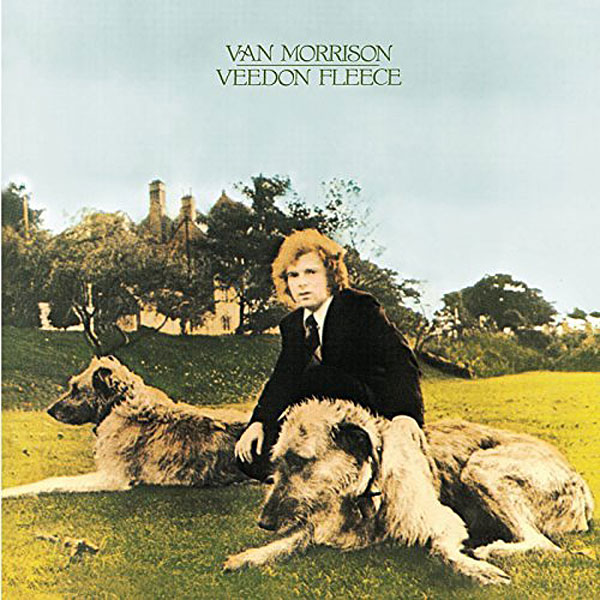 Van Morrison: Veedon Fleece
Exile B0011365-02 (CD). 1974/2008. Van Morrison, prod.; Jim Stern, Dahaud & Jean Shaar, Elvin Campbell, Alastair McMillan, engs. ADD? TT: 56:36
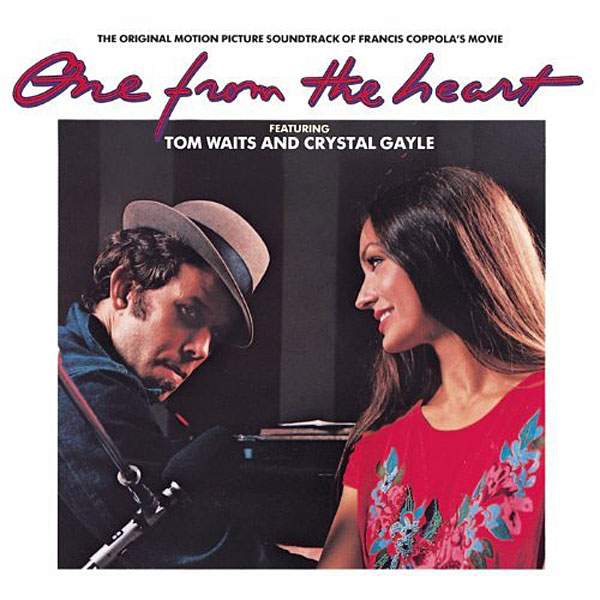 Tom Waits & Crystal Gayle: One from the Heart
Columbia/Legacy CK 85813 (CD). 1982/2004. Bones Howe, prod., eng., mix, remix; Biff Dawes, eng.; Chris Bellman, mastering. AAD. TT: 50:18 At the worst times in our lives, most of us seek sustenance and comfort in music. But at such times, I've found, there is also music I can't bear to hear, because I love it not wisely but too well—music that so plumbs the wells of pain and loss that it only deepens them. Here is one of each.
Robert Levine
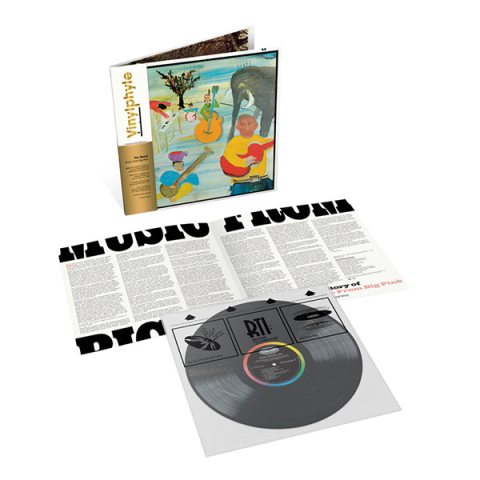
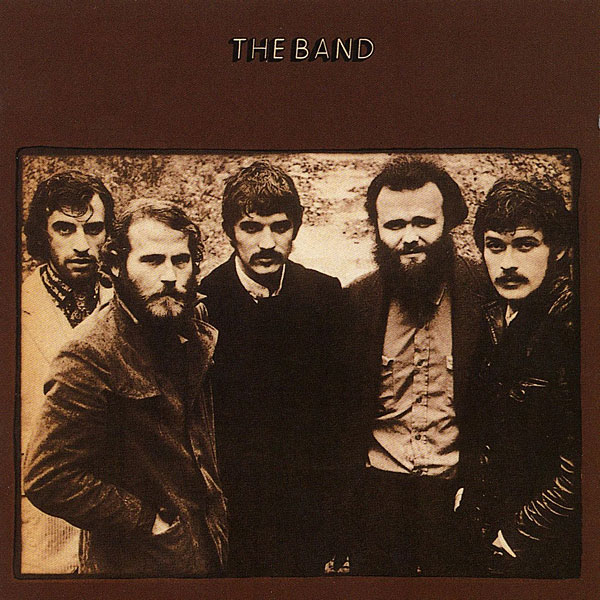 The Band: The Band
Capitol 25389-2 (CD). 1969/2000. The Band, John Simon, prods.; Joe Zagarino, Tony May, engs., mix. ADD. TT: 71:48
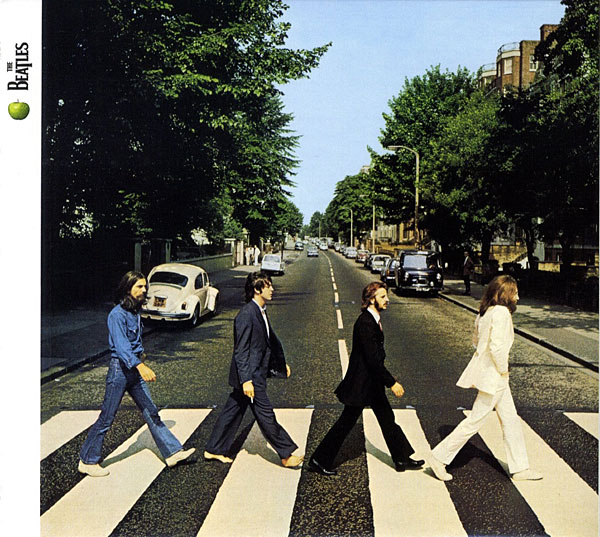 The Beatles: Abbey Road
Capitol CDP 7 46446 2 (CD). 1969/1987. George Martin, prod.; Geoff Emerick, Phillip McDonald, engs. AAD. TT: 47:16 How can I have never chosen a Beatles album? The only two things I waited on line for in the 1960s were a new Beatles album and a new part of Decca's Ring cycle. At first I thought the "White Album" would be my choice, but it's not as flawlessly put together as Abbey Road—which was, catastrophically, the last album that all four Beatles worked on in the studio. And it's very much a studio work—flawlessly engineered, with all the doo-dads possible that are impossible in a live performance. I love the Moog. I love the mood changes, from sexy to silly, with silly sometimes used as a palate cleanser: What could have followed the ravishing "Something" other than the foolish "Maxwell's Silver Hammer"? And find me a song, now overexposed of course, more stunning than George's "Here Comes the Sun." Or a collection of sounds more gorgeous than the lads' harmonies in "Because." And what on earth is "You Never Give Me Your Money"? How was it conceived?? Okay—every track on this album seems new every time I hear it. Bravo, fellas. (Vol.11 No.2, Vol.33 No.2)
Sasha Matson
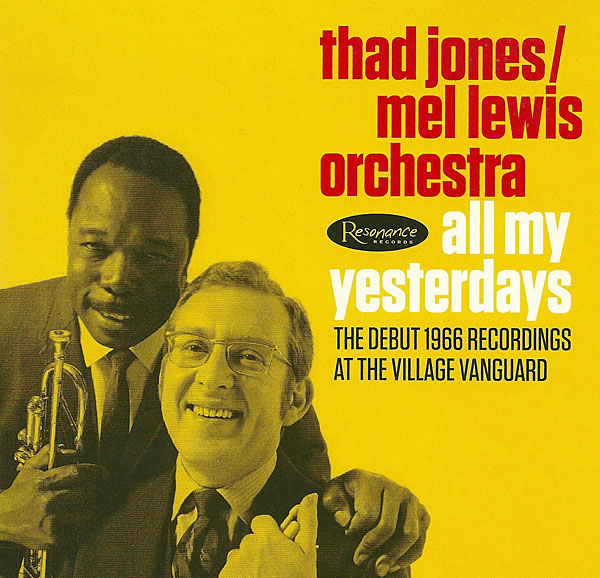 Thad Jones/Mel Lewis Orchestra: All My Yesterdays: The Debut 1966 Recordings at the Village Vanguard
Thad Jones, trumpet, arr., composer; Mel Lewis, drums; others
Resonance HCD-2023 (CD). 1966/2016. George Klabin, prod., eng.; Zev Feldman, prod.; Fran Gala, mastering. AAD. TT: 2:05:58 In 1966, college sophomore George Klabin recorded the first performances by the Thad Jones/Mel Lewis Orchestra, at the Village Vanguard nightclub in New York City. The core of that band continues there to this day, performing on Monday nights as the Vanguard Jazz Orchestra. Unbelievably, these recordings weren't officially released until 2016—by that same George Klabin and his label, Resonance Records. The sound is clear and cookin', and the music is at the apex of creative big-band writing and performance. Great book, too. If you love jazz, get yourself to the Vanguard on a Monday night—see you there! (Vol.39 No.5)
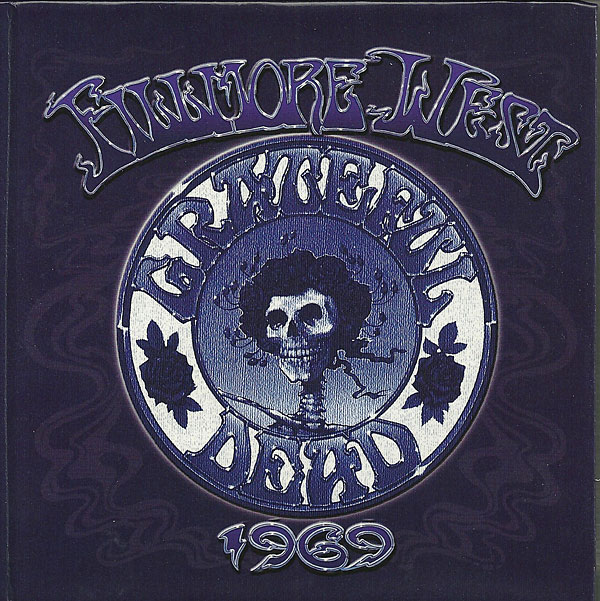 The Grateful Dead: Fillmore West 1969
Grateful Dead/Rhino R73193 (3 CDs). 1969/2005. David Lemieux, Jeffrey Norman, prods.; Bob Matthews, Betty Cantor, engs. AAD. TT: 3:23:01