Thomas Conrad
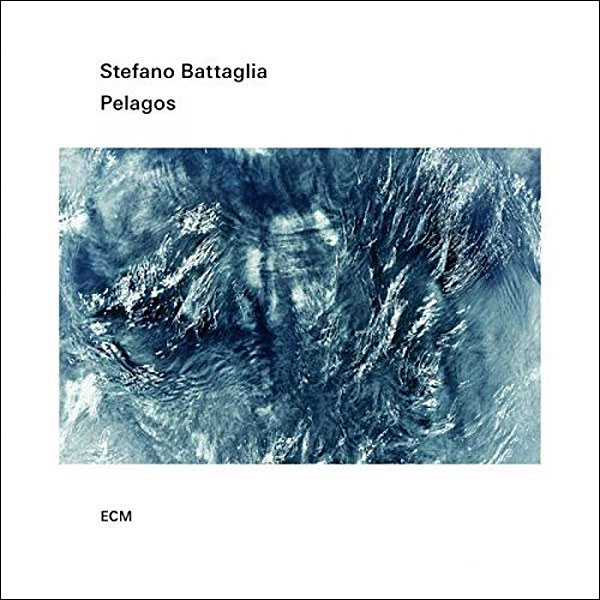 Stefano Battaglia: Pelagos
Stefano Battaglia, piano, prepared piano
ECM 2570/71 (2 CDs). 2017. Manfred Eicher, prod.; Stefano Amerio, eng. DDD. TT: 2:11:59 With regard to R2D4 eligibility, my rule has been that albums are like wine: They must be allowed to age before they can achieve distinction. Stefano Battaglia's new solo recording is a necessary exception. It is a single imaginative arc, motivated by the plight of the refugees who have been flooding into Europe from Africa and the Middle East, fleeing war, oppression, and famine. Many have been refused entry. Many have died on the way. Battaglia's piano markings on silence are devastating in their beauty and sadness. Pelagos is a concept album that transcends its concept and becomes universal. We are all exiles from something or somewhere. We all seek asylum.
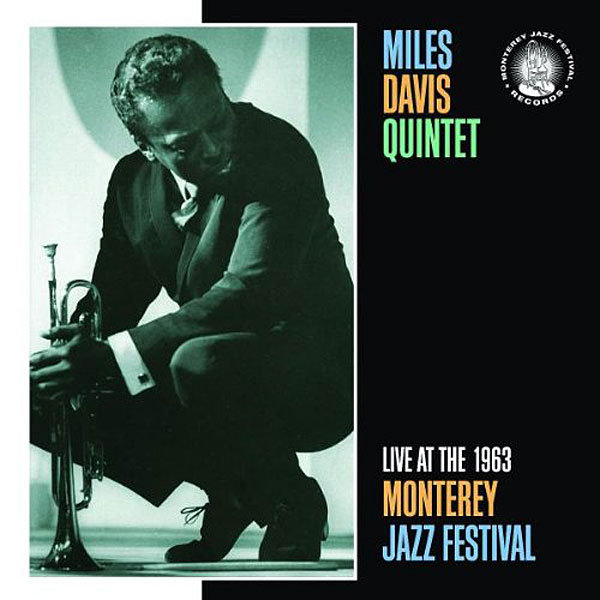 Miles Davis Quintet: Live at the 1963 Monterey Jazz Festival
Miles Davis, trumpet; George Coleman, tenor saxophone; Herbie Hancock, piano; Ron Carter, bass; Tony Williams, drums
Monterey Jazz Festival MJFR-30310 (CD). 1963/2007. Jason Olaine, Nick Phillips, prods.; Wally Heider, eng. ADD. TT: 52:07
Jana Dagdagan
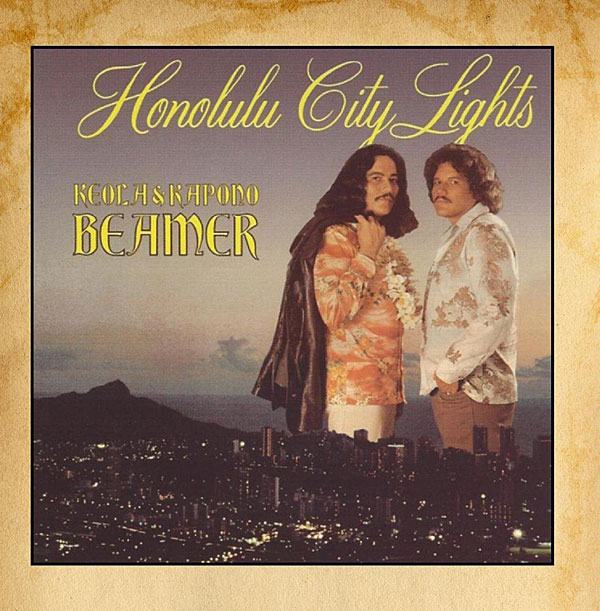 Keola & Kapono Beamer: Honolulu City Lights
Paradise Productions 808 (LP). 1978. Teddy Randazzo, arr., conducting, prod. AAA. TT: 30:31 "Honolulu City Lights," the song this album is centered around, and the Beamer Brothers' most popular hit single, is a comforting mix of old and new—musically akin to downtown Honolulu of the 1970s, now and perhaps forever. Keola and Kapono Beamer (the Beamer Brothers) are part of a group of iconic musicians who helped to build a solid foundation for what we now refer to as "Hawaiian music." I've spent far too many nights ironically driving around downtown Honolulu while listening to this album. Fun fact: The Carpenters heard "Honolulu City Lights" while vacationing in Hawaii, and later released their own cover of the song, in 1986. (I think the original is better.)
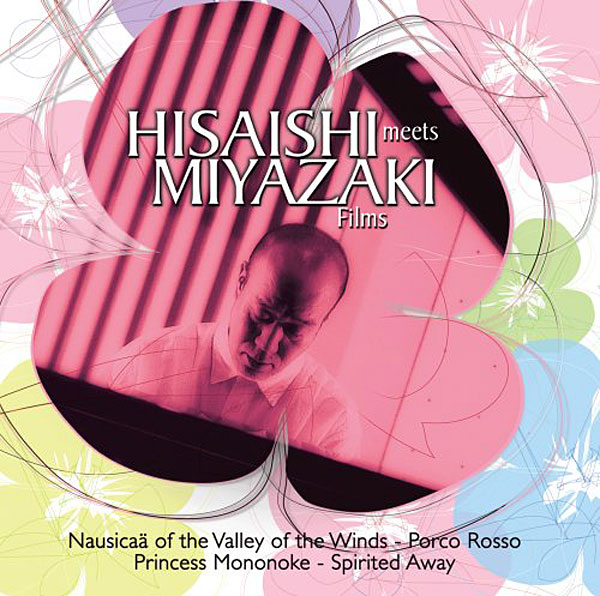 Joe Hisaishi: Hisaishi Meets Miyazaki Films
Milan 399 613-2 (LP). 2008/2014. Joe Hisaishi, compositions, arr. AAA? TT: 42:51 Hayao Miyazaki, Japanese animator, manga artist, film producer, and cofounder of the legendary Studio Ghibli, is undoubtedly one of the greatest animation legends of all time. The beauty of his work is a combination of the sheer scale of his worlds (on a par with the likes of Tolkien, Rowling, and Disney), the use of advanced animation beyond its time, and deeply beautiful stories that continue to warm the hearts of people of all ages—a rare feat for animated films to do on the scale that Miyazaki does it. Of course, this impact would not be possible without the work of Joe Hisaishi, who scores Miyazaki's movies. Hisaishi Meets Miyazaki Films is a compilation of epic orchestral hits from Princess Mononoke, Spirited Away, and Porco Rosso.
Brian Damkroger
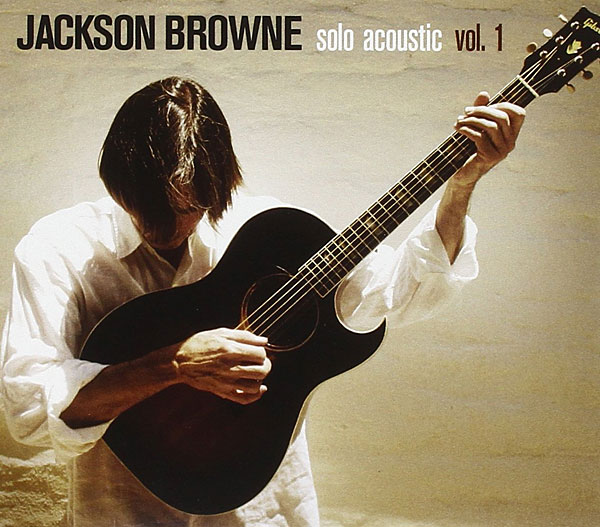 Jackson Browne: Solo Acoustic Vol.1
Inside INR5251-2 (CD). 2005. Jackson Browne, prod.; Paul Dieter, prod., eng.; RJ DeSanto, Bill Lane, engs. DDD. TT: 70:36 Singer-songwriters like Jackson Browne, offset with slighter harder rock bands—say, AC/DC—made up the soundtrack of my formative years. But as the years went on, Browne's albums spent less and less time on my turntables, and somewhere along the line disappeared altogether. Then, one day last summer, Pandora delivered an acoustic version of "Running on Empty." Wow, talk about a shock to the system! I immediately tracked down and bought this CD and listened to it twice, front to back. When I thought about it a little later, it hit me that Solo Acoustic wasn't just a trip down memory lane—it was a flat-out great performance and recording.
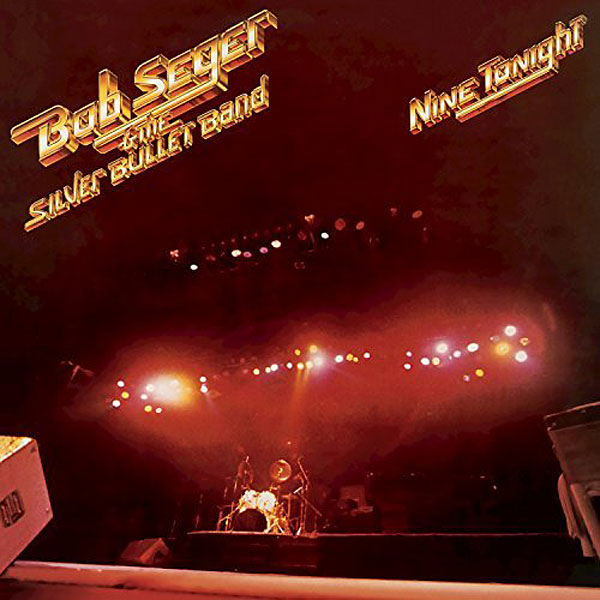 Bob Seger & the Silver Bullet Band: Nine Tonight
Capitol STBK-12182 (2 LPs). 1981. Bob Seger, prod.; Bill Hewitt, eng. AAA. TT: 78:30 Between Live Bullet and Nine Tonight, it was a tough choice. I ended up choosing the latter because, being born and raised on a ranch in Nebraska, and having a wife born and raised in L.A., "Hollywood Nights" has always made me smile. Well, the first three verses, anyway. By 1980, Bob Seger was successful enough to focus on his singing, and had tweaked his Silver Bullet Band into a unit good enough to nail absolutely everything, all while creating the feeling of a rough-and-tumble neighborhood bar. Great songs, great performances, and better-than-average sound come together to make Nine Tonight the album I go to when I feel like rocking.
Robert Deutsch
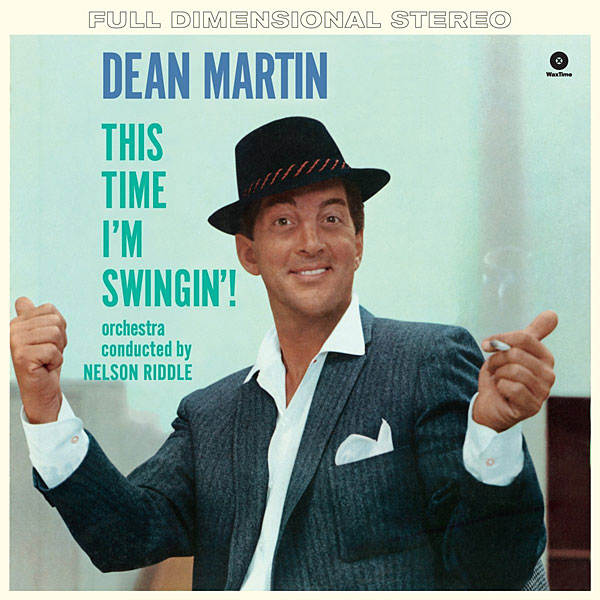 Dean Martin: This Time I'm Swingin'!
 Capitol/Mobile Fidelity Sound Lab UDSACD2135 (SACD/CD). 1960/2013. Lee Gillette, prod.; Rob LoVerde, eng. ADD. TT: 33:47
 Various Artists: Decca Sound: 55 Great Vocal Recitals
Decca 478 9670 (55 CDs). 1950–2011/2016. Many prods., engs. ADD/DDD. TT: 69:56:40 The review by Jason Victor Serinus piqued my interest: a 55-CD boxed set of vocal recitals for about $2 a disc. How could I lose? I took a chance—and it's paid off! I haven't yet listened to every disc—including all the bonus material, the total time comes to 70 hours. However, dipping in here and there, I have yet to be disappointed. Some great singers are represented in this set, in most cases in recordings made early in their careers, with a freshness of voice they later struggled to maintain. Decca has been most generous in including bonus material with almost every disc—usually excerpts from complete recordings of operas, some of them no longer in print. Given the period represented (1950–2011), the recording quality varies, and some of it is mono—but the voices always come through loud and clear.
Art Dudley
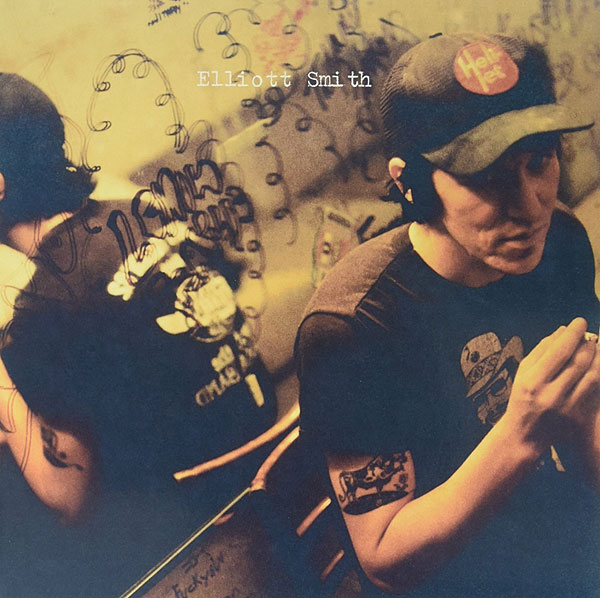 Elliott Smith: Either/Or: Expanded Edition
Kill Rock Stars KRS620 (2 LPs). 1997/2017. Elliott Smith, Tom Rothrock, Rob Schnapf, prods., engs.; Joanna Bolme, Larry Crane, Greg DiGesu, engs. ??A. TT: 70:25 Singer-songwriter Elliott Smith, who died in 2003 at the age of 34 (the coroner's report left open the question of whether his death was a homicide or suicide), crafted memorable, sharply drawn lyrics—a frequent subject was dependence, on other people as on drugs and alcohol—set against chord sequences of remarkable ingenuity and beauty, and performed with a whispery, decidedly fragile-sounding voice. His earliest recordings were basic in the extreme, made mostly in his own living room and in low-budget studios—as it is here, on his third album, made and released in 1997 and reissued in 2017 with live performances, alternate takes, and previously unreleased material. Among the last is "I Figured You Out," an acoustic-guitar-and-harmonium-driven song with an uncannily insightful lyric and a hook-laden melody: It alone is worth the price of admission. On its original release, Either/Or attracted considerable attention, most notably from filmmaker Gus Van Sant, who included three of its songs in the soundtrack for Good Will Hunting—and the rest, as they say, is history. Smith went on to record two more albums during his lifetime. The more polished XO (1998) is also indispensable, but the raw, decidedly lo-fi Either/Or remains his most moving work—and, at times, his most harrowing.
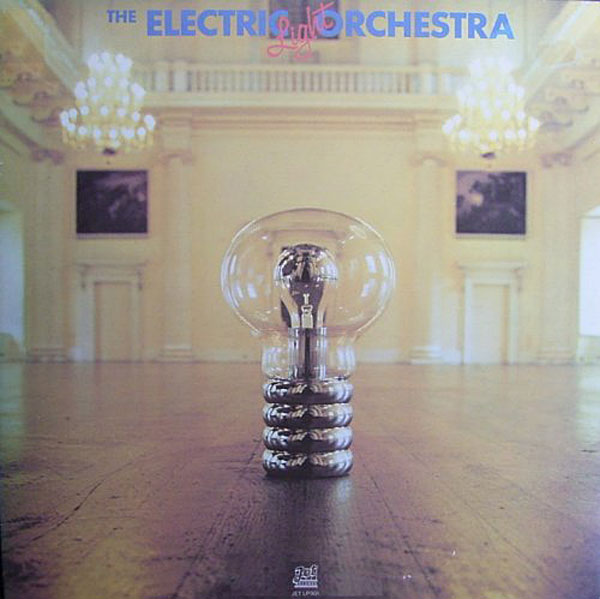 The Electric Light Orchestra: The Electric Light Orchestra
Harvest/EMI SHVL 797 (LP). 1971. Roy Wood, Jeff Lynne, prods. AAA. TT: 41:16 Less cool than this Birmingham, UK, trio's last album as the Move—Message from the Country (1971), also a Record to Die For—but no less inspired, is their first as the Electric Light Orchestra. It would also be the last time guitarist-pianist Jeff Lynne and multi-instrumentalist Roy Wood would work together, the former emerging as ELO's de facto leader while the latter went on to form the octet Wizzard, a UK hit machine that failed to earn a following in the US. If your knowledge of ELO is limited to "Evil Woman," "Rockaria," and "Sweet Talkin' Woman," this brilliantly conceived and surprisingly raw take on classical rock deserves your attention. The rehabilitation of Jeff Lynne is long overdue. Incidentally, this eponymous debut album was released in the US by United Artists with a very different title born of a clerical error: A secretary at UA was asked to call the band's UK label, Harvest Records, to determine what title to print on the record labels and jacket spine. Failing to get a reply, she left a note to that effect for her boss—who, on seeing the cover art and its photo of an empty room, didn't think twice about calling it No Answer.