John Atkinson
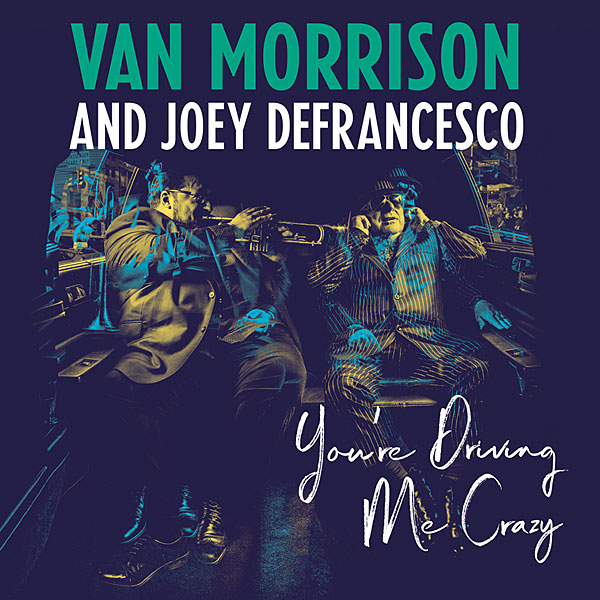 Van Morrison/Joey DeFrancesco: You're Driving Me Crazy
Van Morrison, vocals, alto saxophone; Joey DeFrancesco, soprano saxophone, Hammond organ.
Exile/Legacy 19075820041 (CD). 2018. Van Morrison, Joey DeFrancesco, prods.; Jim Stern, eng. DDD. TT: 70:35 The 39th studio album by Sir George Ivan Morrison, OBE, was recorded live to Pro Tools at 24-bit/96kHz in a Sausalito studio over two days. It has a wonderfully loose feel, as Van Morrison and Hammond organist Joey DeFrancesco's quartet—the other players are Troy Roberts, soprano & tenor saxophones; Dan Wilson, guitar; Michael Ode, drums—work their way through a mix of standards and Morrison's own songs. Every track shines, the musicians providing empathetic, always swinging accompaniments behind Van's typically clipped vocalizing. And as I wrote in our September 2018 issue, "even though the tempi are virtually identical, the reworking of 'The Way Young Lovers Do' on Crazy is less frenetic than the original on Astral Weeks, more laid-back and open-sounding than the re-creation [on 2009's Astral Weeks Live at the Hollywood Bowl]. The key in all three versions is A minor, but the half-century-older Van sings in a lower register, digging deep into the lyric in a way that wasn't possible for either his callow 1968 self or his mature 2009 persona. . . . this is the best live Van Morrison gig that never was." (Vol.41 No.9)
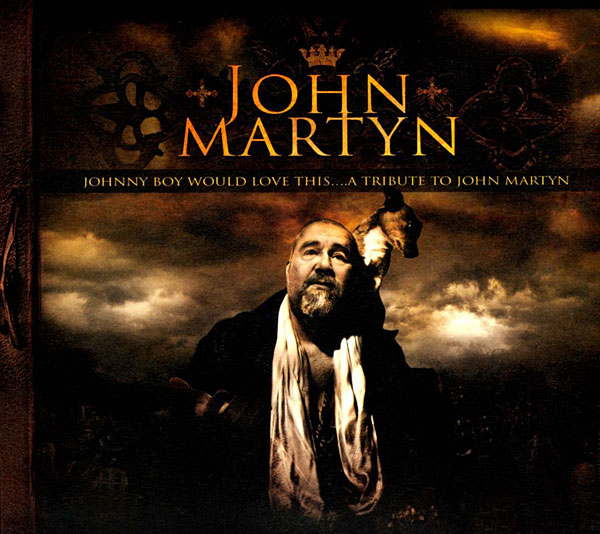 Various Artists: Johnny Boy Would Love This: A Tribute to John Martyn
Liaison Music 4013 (2 CDs, 256kbps MP3). 2012. Jim Tullio, exec. prod.; various prods., engs. DDD. TT: 2:12:40
Jim Austin
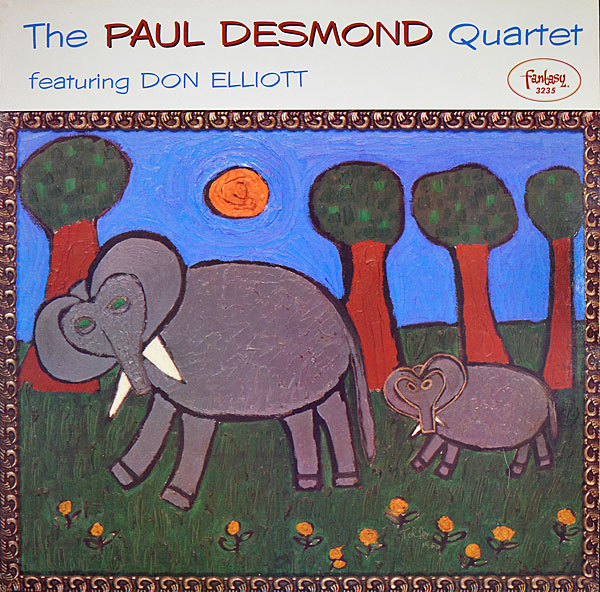 Paul Desmond Quartet: Featuring Don Elliott
Paul Desmond, alto saxophone; Don Elliott, trumpet; Norman Bates, bass; Joe Dodge, drums
Fantasy 3235/OJC-119 (LP). 1956. Saul Zaentz, prod.(?) AAA. TT: 44:00 A silly ritual regularly takes place at my house around dinnertime. My wife starts dinner, and I put on a record. If there's some small reason to celebrate—maybe it's a Friday and we've made it through another week—I'm likely to choose one of a small number of records I associate with these small celebrations. They share a few things in common: I own them on LP, they have good sound, they're easy to listen to, and they're almost always jazz.
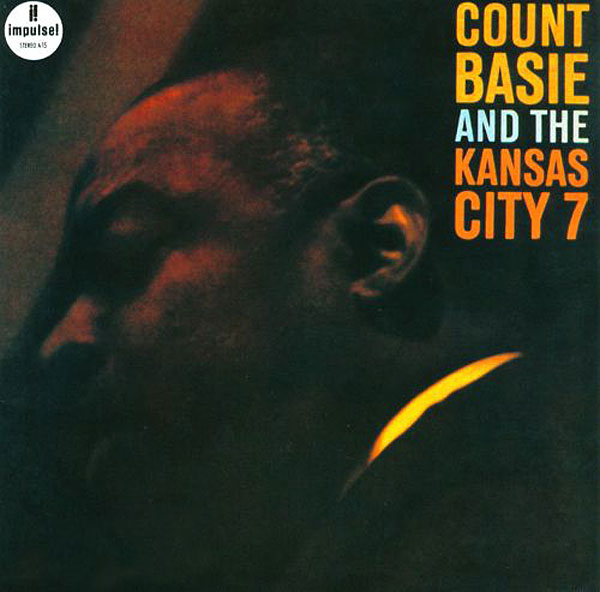 Count Basie: And the Kansas City 7
Count Basie, piano, organ; Frank Wess, flute; Eric Dixon, tenor sax, clarinet, flute; Frank Foster, tenor sax; Thad Jones, trumpet; Freddie Green, guitar; Ed Jones, bass; Sonny Payne, drums
Impulse! A-15/Analogue Productions AIPJ-15 (LP). 1962/2010. Bob Thiele, prod.; Bob Arnold, Rudy Van Gelder, engs. AAA. TT: 41:06 (SACD, DSD); 36:18 (LP).
Larry Birnbaum
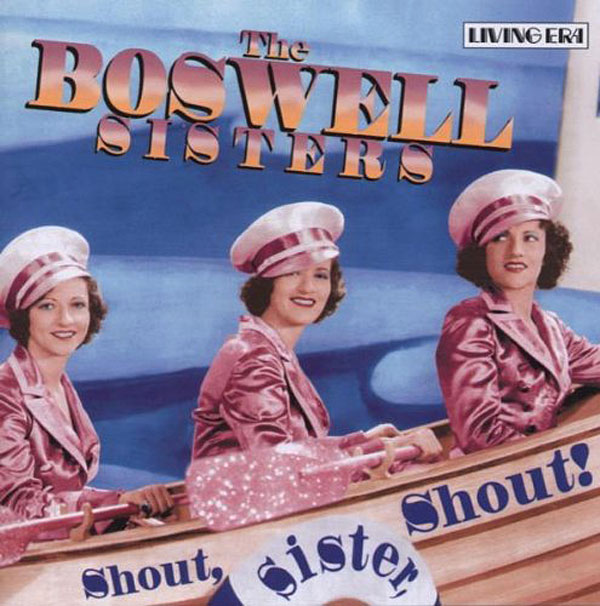 The Boswell Sisters: Shout, Sister, Shout!
Living Era CD AJA 5471 (CD). 1931–36/2003. Ray Crick, Peter Dempsey, prods., John Hadden, remastering. A–D. TT: 75:26
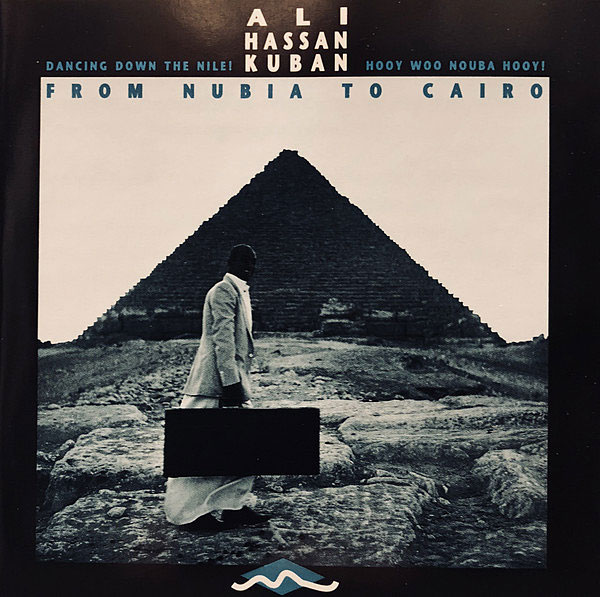 Ali Hassan Kuban: From Nubia to Cairo
Shanachie 64036 (CD). 1991. Unknown, prod.; Robert Vosgien, remastering. AAD. TT: 53:31 Applying modern Western instruments to the traditional music of Upper Egypt, singer and bandleader Ali Hassan Kuban became first a popular Nubian wedding musician, then a world-music star, before his death in 2001. First issued on the German Piranha label, which recently reissued it, this album collects some of the made-for-cassette recordings that originally brought Kuban fame. Buoyantly rhythmic and joyously celebratory, songs such as "Sukkar Sukkar Sukkar" and "Mabruk," sung in a Nubian language, catch an exhilarating, effervescent groove. Considering that all tracks but one were recorded in Cairo using a single microphone, the sound quality is remarkably good.
Thomas Conrad
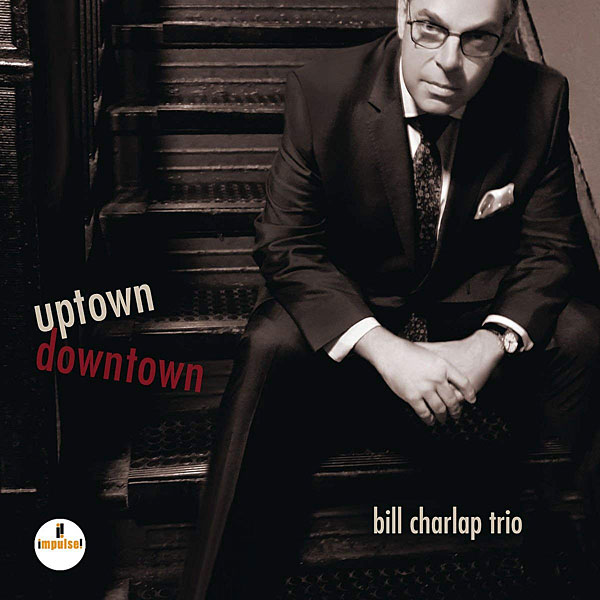 Bill Charlap Trio: Uptown Downtown
Bill Charlap, piano; Peter Washington, bass; Kenny Washington, drums
Impulse! 5781103 (CD). 2017. Bill Charlap, prod.; James A. Farber, eng. DDD? TT: 54:26 This is just an unassuming album of standards by a mainstream piano trio that you might think is out of surprises, as it's been together 20 years. But Bill Charlap can fool you—he's like a world-class athlete who makes everything look easy. Or, like Picasso with a pencil stroke, he can render a song's essence in a quick, seemingly effortless gesture. He also knows what to leave out. "Spring Can Really Hang You Up the Most" is musical autobiography, in unfinished phrases and meaningful silences from his life. When it's this elegant and timeless, style is an art in itself.
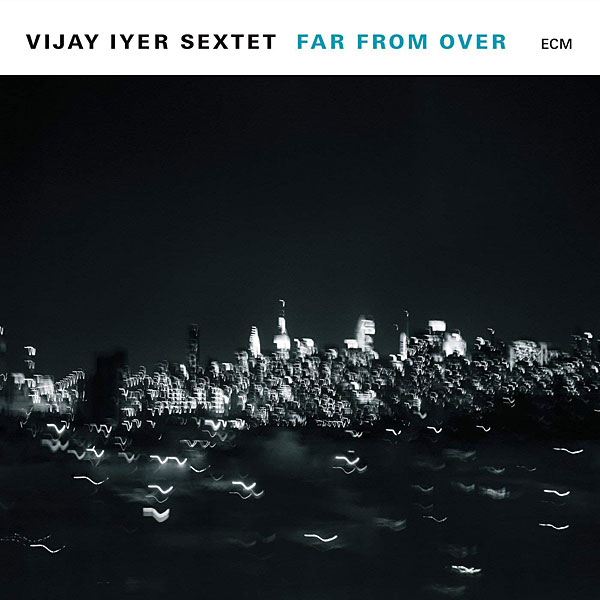 Vijay Iyer Sextet: Far from Over
Vijay Iyer, piano, Fender Rhodes; Steve Lehman, alto saxophone; Mark Shim, tenor saxophone; Graham Haynes, trumpet, flugelhorn, electronics; Stephan Crump, bass; Tyshawn Sorey, drums
ECM 2581 (CD). 2017. Manfred Eicher, prod.; James A. Farber, eng. DDD. TT: 57:55
Brian Damkroger
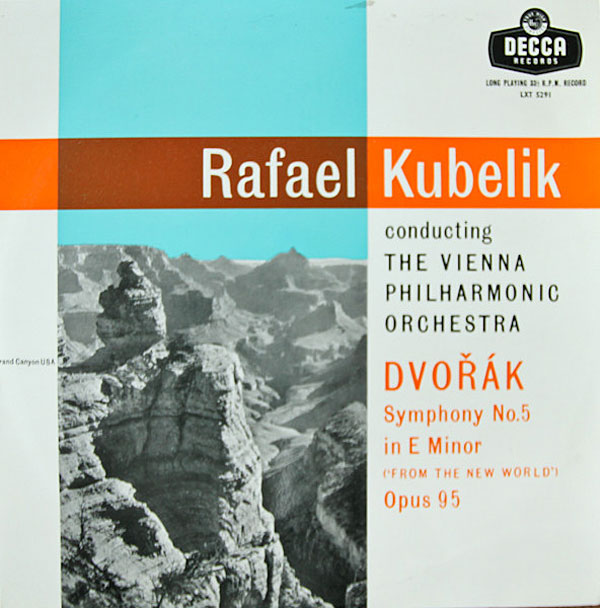 Dvorák: Symphony 9
Rafael Kubelik, Vienna Philharmonic Orchestra
Decca SXL 2005/London 6020 (LP). 1958. John Culshaw, prod.; James Brown, eng. AAA. TT: 41:00 I love Decca/London's early stereo LPs. The musicians are superb, and because the recordings are typically of a single take, they demonstrate the commitment and risk of a live performance. The combination of a "Decca tree" of microphones and simple production approach is unparalleled in its ability to capture a performance and environment. All of this is on display in this Dvorák Ninth (identified on early editions of this LP as "Symphony No.5"). Kubelik's light touch gets a lovely performance from the Vienna Philharmonic, one that you'll hate to hear end. The sound is excellent, including a rich but well-balanced re-creation of Vienna's Sofiensaal. Overall, and on a good system, this is one of the best LPs ever recorded.
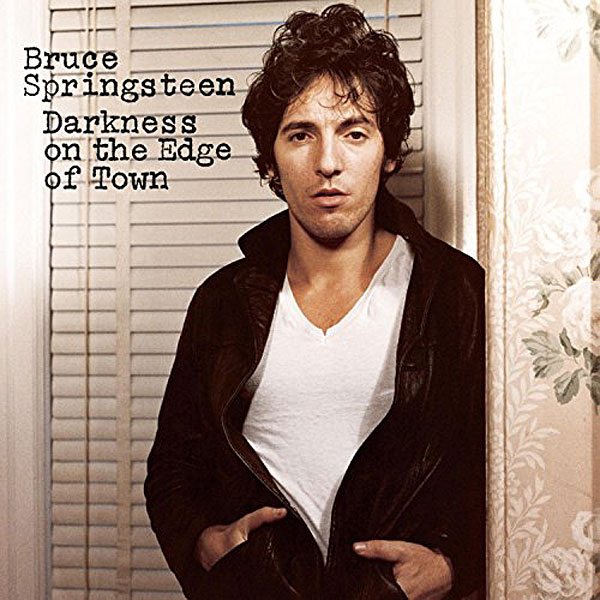 Bruce Springsteen: Darkness on the Edge of Town
Columbia JC 35318 (LP). 1978. Bruce Springsteen, Jon Landau, prods.; Jimmy Iovine, Charles Plotkin, Thom Panunzio, engs.; Mike Reese, mastering. AAA. TT: 42:59 It was a good year to be a Bruce Springsteen fan. In 1978 we were still humming his first two albums and riding the adrenaline from Born to Run. Then came Darkness on the Edge of Town. It understood. It confronted us with the dark introspection we struggled to avoid. It shone a light on our fear that we'd give up and resign ourselves to a stranded, joyless life. But amid all that, Springsteen's masterpiece gave us the courage to admit how desperately we wanted out, and that, within us, we had the power to do it. It's all stored on a simple vinyl disc. (Vol.25 No.11)