Robert Schryer
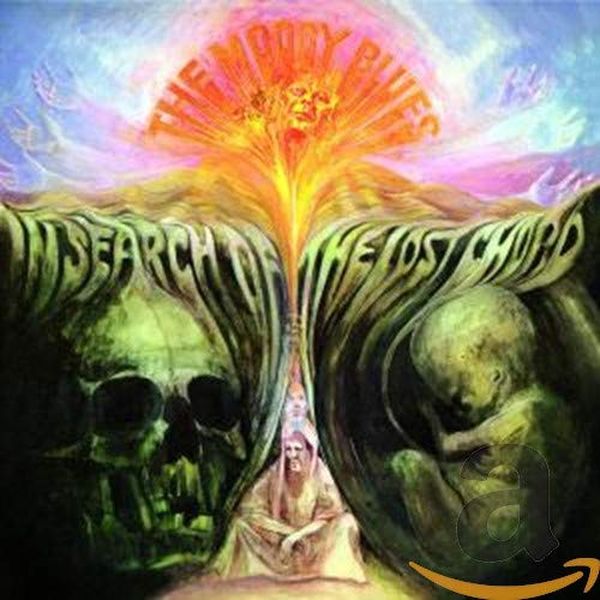 The Moody Blues: In Search of the Lost Chord
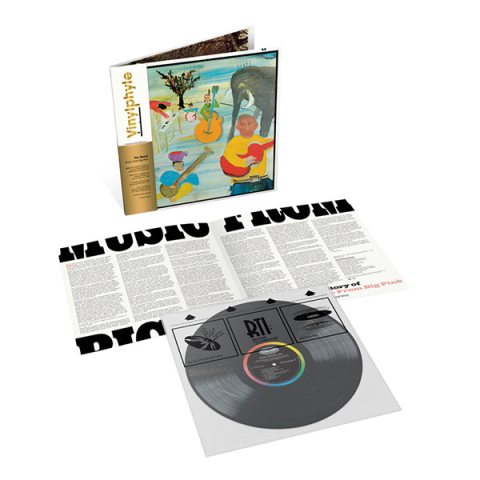
Deram/London Records DES 18017 (LP). 1968. Tony Clarke, prod.; Derek Varnals, Adrian Martins, engs. Never a big Moody Blues fan, on a whim I picked up a cheaply priced used copy of In Search of the Lost Chord. I liked it a lot more than I expected to. It's a late '60s concept album, a concept I dig when done right. It's electric-guitar-driven, but it includes 33 different instruments; it sounds ambitiously Beatles-esque in some places, brimming with youthful energy and ideas of a band on the cusp of greatness. The music offers lush, eardrum-caressing vocals and brilliantly inventive moments—darned if the intensifying, 45-second album opener, "Departure," a poem written and recited by band drummer Graeme Edge, wasn't the perfect prelude to the classic "Ride My See-Saw." The LP's sound is rich and warm. The cover, by artist Phil Travers, is a striking meditation on the concept of, well, meditation.
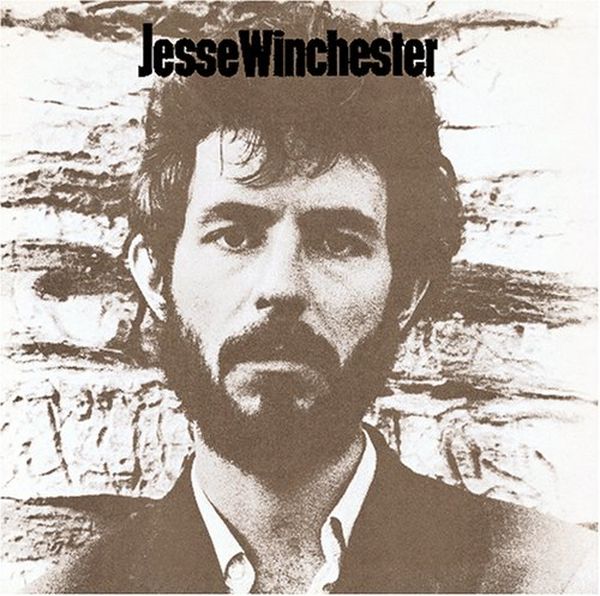 Jesse Winchester: Jesse Winchester
Ampex Records A-10104 (LP). 1970. Robbie Robertson, prod.; Todd Rundgren, eng.; Bob Ludwig, mastering eng.
Jason Victor Serinus
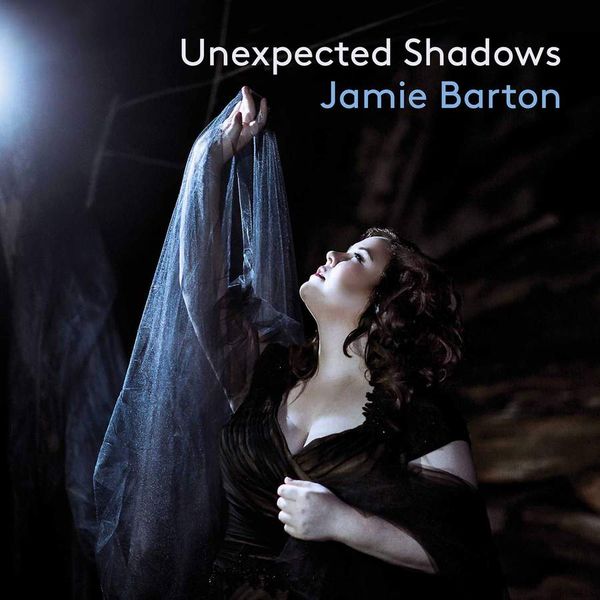 Jamie Barton: Unexpected Shadows
Songs and arias by Jake Heggie. Jamie Barton, mezzo-soprano; Jake Heggie, piano; Matt Haimovitz, cello
Pentatone PTC5186836. 2020. Steve Barnett, prod. Preston Smith, eng. Even before his opera Dead Man Walking (2000), composer Jake Heggie was blessed to work with some of the finest artists of our time, such as Susan Graham, Jennifer Larmore, and Frederica von Stade. But no one—including character mezzo Joyce Castle, for whom he and his frequent librettist Gene Scheer created the song cycle "Statuesque"—has possessed the outsized personality, total embrace of life, and vocal heft of the remarkable Jamie Barton. There's "Statuesque," in which great statues share their inner thoughts; "Iconic Legacies: First Ladies at the Smithsonian," in which Heggie and Scheer address the emotions evoked by clothes and objects associated with Marian Anderson, Mary Todd Lincoln, Jacqueline Kennedy, and Barbara Bush; "Of Gods and Cats," in which a droll Gavin Geoffrey Dillard parodies religious allegories; "The Work at Hand," which sets Laura Morefield's deeply moving poetry about acceptance and death; and excerpts from "The Breaking Waves" to texts by Sister Helen Prejean and the opera "If I Were You." Barton and Heggie (with support from Matt Haimovitz) transport you to a land of contemplation, tears, and side-splitting hilarity. This recital is a knockout.
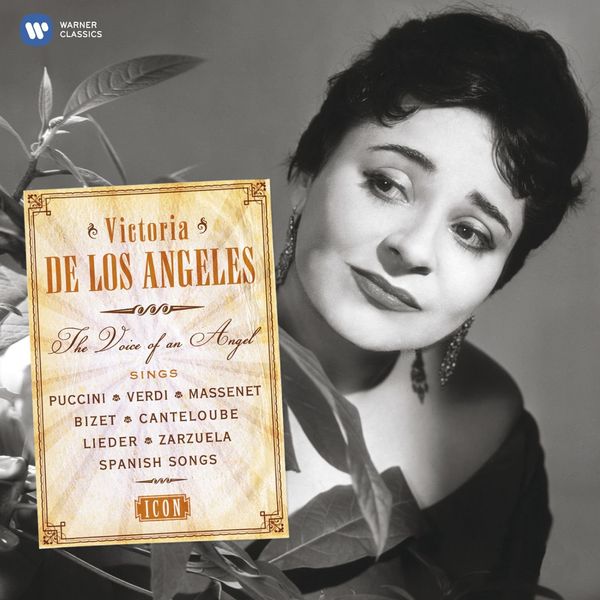 Victoria de los Angeles: The Voice of an Angel Sings
Arias by Puccini, Verdi, Massenet, and Bizet, along with songs and zarzuela by Canteloube, Falla, Fauré, Berlioz, Schubert, and many more.
Warner Classics 217308 (7 CDs). 2008. Tony Locantro, compilation prod.; various original prods. and engs.
John Swenson
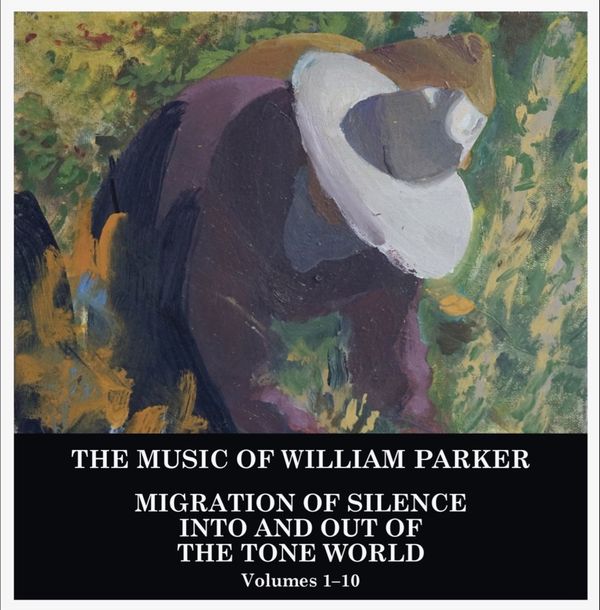 The Music Of William Parker: Migration Of Silence Into And Out Of The Tone World Vols. 1–10
Centering Records 1020-1029 (10 CDs). 2020. William Parker, prod.; Jim Clouse, eng. As cofounder of the annual Vision Festival, bassist/composer/ poet William Parker is the world's foremost curator of spiritually inspired music. The focus on this sprawling opus is Parker's compositions: Child of Sound is Eri Yamamoto playing solo piano interpretations of 14 Parker compositions; Afternoon Poem is Lisa Sokolov's spoken-word versions of Parker's poetry. Parker's latest visions (from 2018–2020) place him in a panoptical range of colors and settings, mostly playing bass (among other instruments). My favorite disc is Harlem Speaks, with drummer Hamid Drake and vocalist Fay Victor. The music is by turns a balm for hard times and an inspiration to survive.
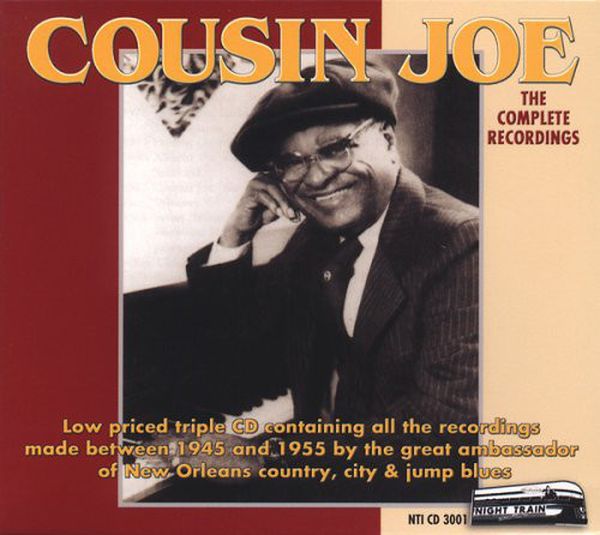 Cousin Joe: The Complete Recordings 1945–1955
Night Train International NTI CD3001 (3 CDs). 2001. Aaron Fuchs, reissue prod.; various engs. Cousin Joe was a beloved New Orleans piano "professor" who worked for many years at French Quarter clubs and bistros like The Famous Door, the Court of Two Sisters, and the Absinthe Bar. He was a prolific composer and raconteur whose tales of life in New Orleans and development of characters like Boxcar Shorty made him popular and led to regional hits. This meticulously gathered and annotated collection covers his work for numerous labels in the company of Crescent City giants Danny Barker, Dave Bartholomew, Herb Hardesty, and Sam Price. His signature tune, the hilarious "Chicken à la Blues," is included.
Stephen Francis Vasta
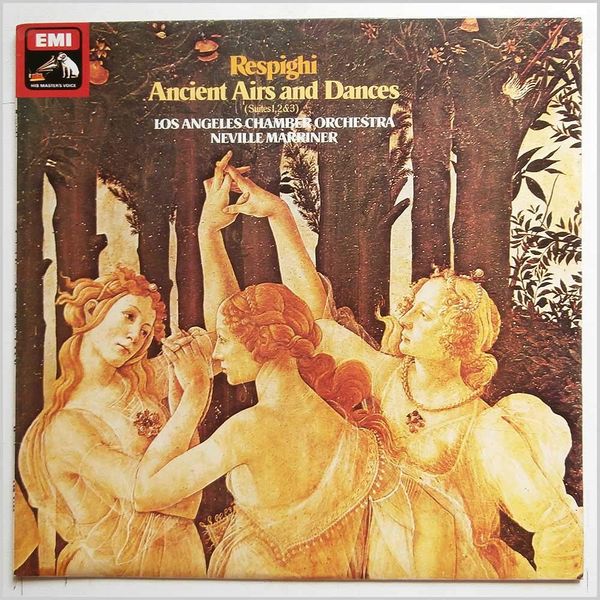 Respighi: Ancient Airs and Dances (Suites 1–3)
 Los Angeles Chamber Orchestra/Marriner.
Angel S-37301 (LP). 1976. Christopher Bishop, prod.; Carson C. Taylor, eng.
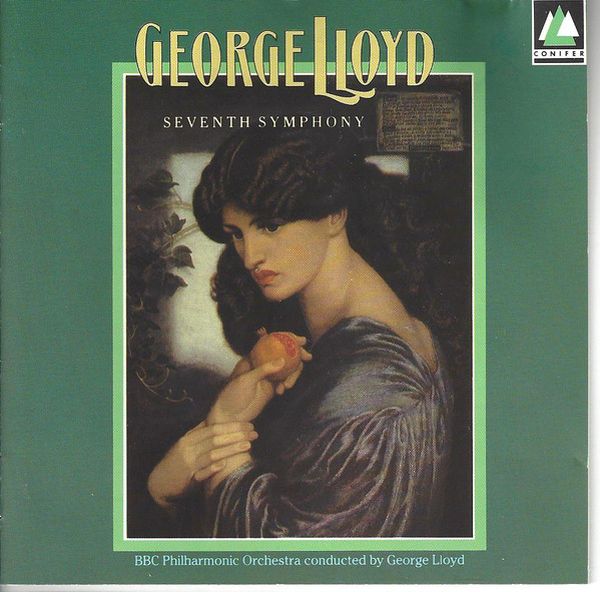 George Lloyd: Seventh Symphony
BBC Philharmonic Orchestra/Lloyd.
Conifer CFC-143 (LP). 1986. Howard Devon, prod.; Tony Faulkner, eng. George Lloyd was the rare 20th century composer who consistently wrote for large orchestra. His work has been dismissed as "movie music." Those people must see some very strange films. In this three-movement symphony, based on the myth of Proserpina, the broad, melodic themes avoid the cinema's easy tugs at the heart. Other turbulent passages explore more advanced harmonies without simply piling on the dissonances. The whole has an inexorable logic. The orchestra responds to the composer with understanding, and the sound is vivid and colorful.