

Luke Manley and Bea Lam of VTL: Vital Sound
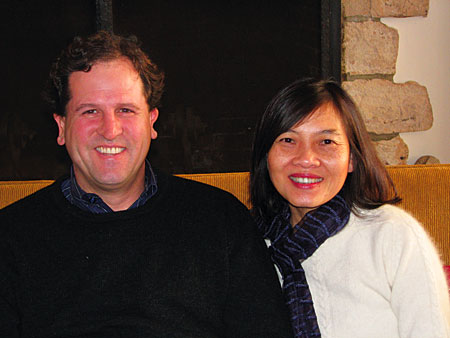
Our meeting was propitious and totally unexpected. The locus was Los Angeles' Sheraton Gateway Hotel last May, on which we had all descended for Home Entertainment 2006. As a contributor to Stereophile's Show">http://blog.stereophile.com/he2006">Show blog, my assignment was as liberal as they come: Go where you are drawn, listen as you will, and record your impressions.
Lyle Lovett: Music among great players can be a conversation

2022 is turning out to be a good year for Lyle Lovett, not least because he is, to use a cowboy metaphor, back in the saddle.
"I've been out of work for two years," he says archly. Normally, Lovett performs more than 100 concerts a year, regardless of whether he's released new work. But the pandemic pinned him down at home in Houston, with his wife and their nowfour-year-old twins, in the house his grandfather built in 1911. Domesticity suits Lovett. "There was plenty to do every minute of every day. Absolutely no boredom!" He sounds like he means it; unselfconscious mentions of paternal tenderness bubbled up in our conversation from time to time.
Making Tubes User-Friendly: Luke Manley of VTL
Brilliant designs, spectacular initial success, rave reviews, explosive growth that stretches resources way beyond limits, too much attention to technology and too little to manufacturing and business practices, long hours, quality problems, conflicts between partners, and finally...
Manfred Eicher: "You Can't Record Everybody"
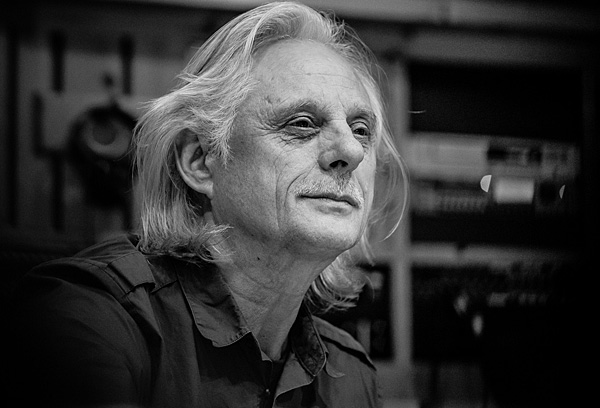
There has never been a record producer like Manfred Eicher, founder and sole proprietor of ECM records, the German-based jazz (and sometimes classical) label that celebrates its 50th anniversary this month.
Eicher doesn't quite win the all-time prize for longevity. Edward Lewis started Decca (UK) in 1929 and owned it until 1980. David Sarnoff controlled RCA from 19191970. William Paley did the same at Columbia from 1938-1988. But unlike those other, financially heftier titans, who deferred to department heads and studio producers, Eicher has supervised every single one of ECM's albumsmore than 1600 of them.
Manfred Eicher: A Magnificent Obsession
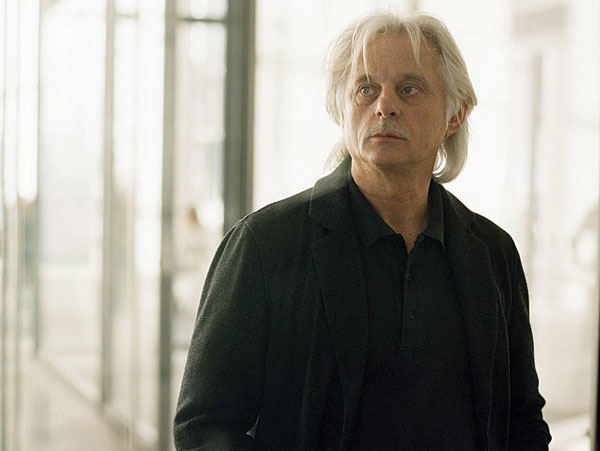
At a time when the heads of most record labels barely know how to play a record, let alone make one, Manfred Eicherowner, founder, and inspiration of ECM Records, which celebrated its 40th anniversary in 2010has been intimately involved in the making of nearly 1200 of them. How many, though, can he actually remember working on?
"When I listen back to them, I know the story of every record," he says without a smile or a moment's hesitation. "There is never an easy record. Every record needs a lot of input and concentration and dedication and passion to be made, that's clear. Create an atmosphere that is a productive search for music, and when this is the case, you have very memorable records."
Maria Schneider: Is There Anybody Out There?

"The data lords are gathering data and giving it to organizations that then manipulate us with the things they know about us, things that we don't even know about ourselves," says five-time Grammy Awardwinning composer, conductor, producer, and band leader Maria Schneider. "They give our data to any company that'll pay for it to manipulate you, specifically targeting your vulnerabilities. It takes away freedom of thought, a true discourse where people are thinking for themselves. Count me out."
Mark Knopfler, Straits Shooter
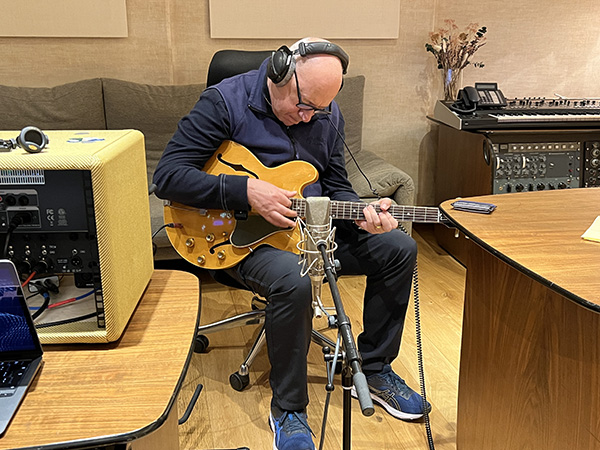
All photos by Guy Fletcher
For a guy born in postwar Glasgow who spent his formative years across the border in Northern England, Mark Knopfler has a knack for writing songs based in an American ethos.
Since disbanding Dire Straits, which he led from 1977 to 1992, Knopfler has evolved from headband-sporting guitar hero to acclaimed observational songwriter. Commencing with his 1996 solo debut Golden Heart (Warner Bros.) and continuing through One Deep River, his just-released 10th solo studio album, on the jazz-centric Blue Note label, Knopfler tells character-focused stories in arrangements that might cause listeners to think he's from Nashville, not Northumberland.Mark Levinson's Milestone Year
 Mark Levinson, born December 11, 1946, celebrates an important anniversary in 2002. Exactly 30 years ago he jogged onto the playing field of high-end audio, so early in the game that fans, then few and far between, could count the players on their fingers.
The high-fidelity industry seems a logical home for a jazz musician like Levinson, who once envisioned a career playing flugelhorn and double bass, but his voyage into audio was a detour that could be said to have begun at age 22, when he took a job working on a film about Joan Baez. "It was a joy to find people willing to pay me to do something," quips the trim, youthful 55-year-old, who is quick to recall his "nonexistent income as a musician."
Mark Levinson, born December 11, 1946, celebrates an important anniversary in 2002. Exactly 30 years ago he jogged onto the playing field of high-end audio, so early in the game that fans, then few and far between, could count the players on their fingers.
The high-fidelity industry seems a logical home for a jazz musician like Levinson, who once envisioned a career playing flugelhorn and double bass, but his voyage into audio was a detour that could be said to have begun at age 22, when he took a job working on a film about Joan Baez. "It was a joy to find people willing to pay me to do something," quips the trim, youthful 55-year-old, who is quick to recall his "nonexistent income as a musician."
Mary Halvorson: Melt the Frame

In her reworking of the Beatles' "With a Little Help from my Friends," on the 2018 tribute album, A Day In The Life: Impressions Of Pepper (impulse records), Brooklyn guitarist and composer Mary Halvorson reinvents both her instrument and the song.
Most baby boomers can hum the tune of the Beatles' classic, from Sgt. Pepper's Lonely Hearts Club Band, in a handful of notes. It might take longer to recognize Halvorson's joyous, angular version. A master of jazz phrasing, guitar technique, avant-garde discourse, and effects pedals, Halvorson bends the Beatles song to her 21st century will.
MBL's Juergen Reis talks Digital with John Atkinson

Last week, we posted a video on AudioStream of a conversation between Juergen Reis (MBL's Chief Designer), Michael Lavorgna (AudioStream), and John Atkinson, which we filmed during CES 2017. During that same session, we also filmed a conversation between JA and Juergen that focuses more specifically on MBL's new N31 DAC, which JA will be reviewing in a future issue of Stereophile.
In this video, Juergen and JA discuss digital filters, aliasing, Nyquist ringing, USB inputs, inter-sample "overs," and many of the other arcane issues involved in DAC design.