

PS Audio's Paul McGowan talks about DACs, Speakers, and Why "Code" is a Necessary 4-Letter Word

Earlier this week, we posted a video blog with PS Audio's founder and CEO Paul McGowan giving Jana Dagdagan and me a post-CES tour around the Boulder, Colorado company's factory. Following the tour, I sat down with Paul in Music Room One and in a wide-ranging conversation, we talked about amplifiers and loudspeakers, DACs and audio systems, and the state of high-end audio.
Rachael and Vilray: Carrying a Torch
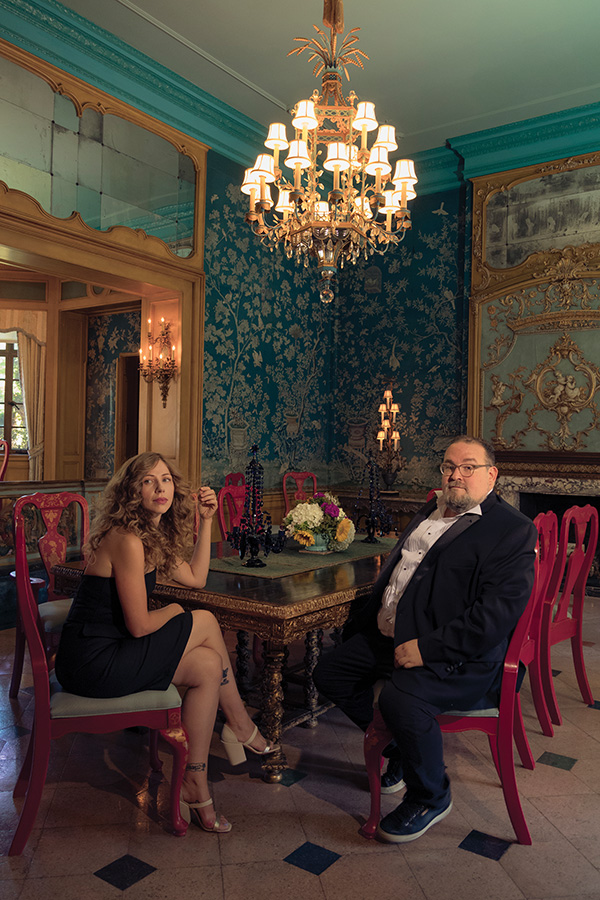
As Vilray Bolles marched down Manhattan's Second Avenue on a rainy afternoon late in 2014, participating in a demonstration against police brutality, he slipped on the wet pavement, fell hard on his right hand, and broke his pinky. For a guitarist, a broken finger can be a major, if not catastrophic, setback. But the gods were smiling on Bolles. He was, in fact, a lapsed guitarist, having all but abandoned hopes of a musical career, and the universe was giving him a nudge, not just back into music but into a collaboration with Rachael Price, one of contemporary pop's great vocalists, who, when she isn't singing cabaret jazz with Bolles, fronts the headlining rock band Lake Street Dive.
Re-Tales #33: Darren Myers joins Parasound
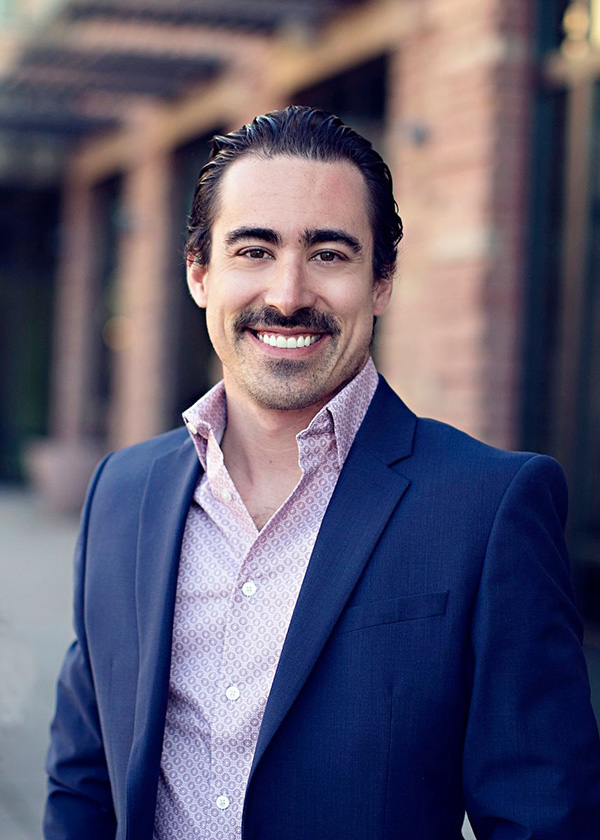
Even if Darren Myers's name isn't familiar, you still may have heardor at least heard abouthi-fi components he designed, including the PS Audio Stellar phono preamp, which garnered Stereophile's Analog Product of the Year Award in 2020.
After working on projects for Classé and Bowers & Wilkins, Myers was hired by PS Audio, where he ended his tenure as senior analog design engineer. Myers recently joined Parasound (footnote 1) following the company's acquisition by David Sheriff.
Regina Carter: A Family Affair

Making a recording is always a personal journeyeveryone has a story to tell. Jazz violinist Regina Carter's latest, Southern Comfort, is an eloquent musical expression of Carter tracing the roots of her paternal lineage back five generations. For the project's sound engineer, Joe Ferla, it's the final project of a engineering career, and the beginning point of his new life as a practicing musician. The entwining of these journeys gives the album's music and sound a rare honesty.
Return to Analog's Pierre Markotanyos
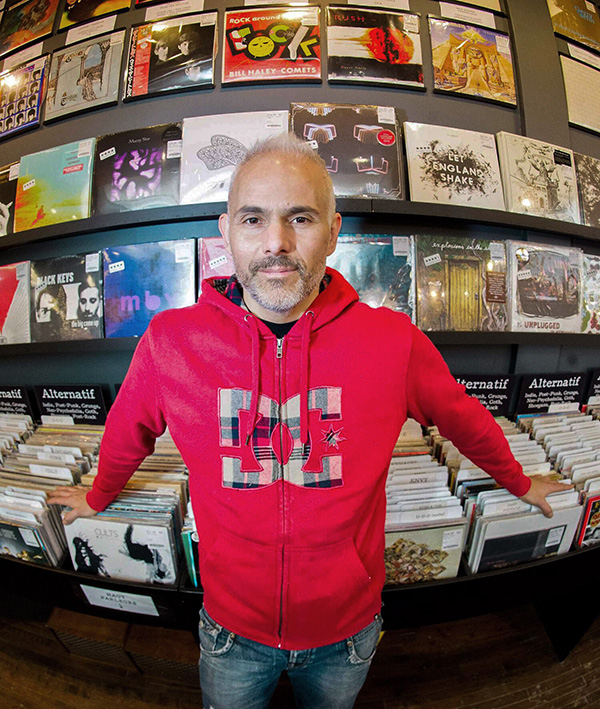
The return of vinyl, which has stayed popular and profitable since its resurgence, has now developed a surprising nuance. Pierre Markotanyos, the owner of the reissue label Return to Analog and Montreal record store Aux 33 Tours (which refers to the speed at which an LP spins), has noticed a distinct change in the makeup of who's buying vinyl these days. "In the late 2000s," Markotanyos reflects, "it was mostly 55-to-70-year-old guys who were coming in, buying records to play on their high-end stereos that they bought at the audio show in Montreal." [Sound familiar, Stereophile readers?] "They were the purists and the true believers."
Revel's Kevin Voecks
Determined to find out more about Revel's">http://www.stereophile.com/floorloudspeakers/608revel">Revel's Ultima Salon2, I tracked down designer Kevin">http://www.stereophile.com/interviews/390voecks">Kevin Voecks late on the second day of the 2008">http://blog.stereophile.com/ces2008">2008 Consumer Electronic Show. I persuaded him to step outside the demonstration suite of Harman International Industries, Revel's owner, high atop the Las Vegas Hilton. We spent an hour chatting about Voecks's design goals for Revel's new flagship. I asked Kevin what had led his team at Revel to develop a new Ultima Salon loudspeaker after 10 years?
Reviewer Video Profile: Herb Reichert

When we released the "Thoughts on CES 2017" video, we received an overwhelming amount of feedback from readers who were pleased to finally be able to associate faces to the writers they had long read and revered on paper.
This video attempts to capture the essence of Stereophile writer and audio industry veteran Herb Reichertat least as much as is possible in a 10-minute, streamed video.
Rich May of Sumo: An Audio Dynasty
Way back in the mists of time, around 1980 to be exact, the Marantz company in Europe introduces a range of ostensibly cost-no-object solid-state electronics under the "Esotec" banner. Manufactured in Japan, but apparently designed in the USA, these ruggedly constructed components are noteworthy in that the power amplifiers are capable of being operated with the output stages running under class-A bias as well as class-B. The relatively expensive Esotec amplifiers sell in small numbers in the UK—remember that this is before the rebirth of the British high end—and pass into the history books. I am reminded of them, however, when I visit my friend Ivor Humphreys of Gramophone magazine at Christmas 1987; he is using a pair of the 30W mono class-A Marantz amplifiers to drive KEF">http://www.stereophile.com/floorloudspeakers/550">KEF R107s—and making very nice sounds.
Richard Sequerra: Tuning In
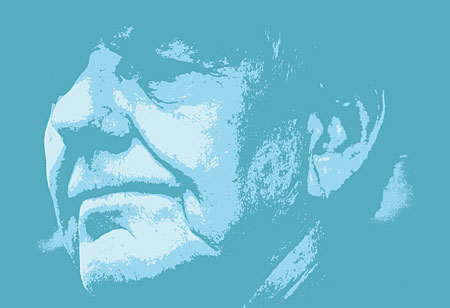
Richard Sequerra was born in 1929 and raised in various parts of the US by his mother, who worked for the Department of State. By the time he was 20, he had launched a freelance career that has since spanned a wide range of technologies. During a stint at Marantz in the 1960s, he worked with Sidney Smith on that firm's famed Marantz 10B tuner, which was sold from 1964 through 1970. Subsequent products have included the Sequerra 1 tuner and the Metronome 7 loudspeaker, originally produced by Sequerra's firm Pyramid and now hand-assembled by its creator, who offers the most recent version via his websitehttp://www.sequerra.com">website;, for less than half what it cost through retail channels when Sam Tellig praised it in the July 2007 Stereophile. Sequerra's newest transducers—a self-amplified nearfield speaker and matching subwoofer designed for Internet music listening—remain in prototype form; he hopes to sell or license the designs rather than manufacture and market them himself.
Richard Thompson: Daring Adventures

It had been years since Stereophile's last San Francisco Hi-Fi Show, when we'd hired him as a solo act, and yet the conversation was once again instant vaudeville, and I was again the straight man.
"The last time we saw each other, I think I just shook your hand and handed you a check."
"What, you didn't bring a check this time?"
"So this is your 16th solo record?"
"Is that all? Bach was doing a cantata a week. How many songs did Schubert write?"
"But he didn't do the words."