

2001 Records to Die For
Many years ago, I awoke one Saturday morning to find my girlfriend, with whom I'd had a knock-down, drag-out fight the night before, out on the street in front of our house having an impromptu yard sale. The sale featured my record collection. We broke up. I still have the records.
2002 Records To Die For

Introduction
2003 Records To Die For
Once upon a time, when I was a mere sprout in journalism school, there came the moment when everyone had to decide which sort of writing and/or editing he or she wanted to pursue in the workplace of the real world—a harsh reality that was then fast approaching. Most of my fellow students, who ranged in age from 23 to 62, chose one of two paths: murder or scandal.
2004 Records To Die For

It used to be that, when I sat down to write the introduction to Stereophile's ever-popular annual "Records To Die For" feature, it quickly became an exercise in racking my meager brain for jokes about "dying for" records. But being funny, in print or otherwise, is tremendously difficult. I'm sure Groucho had a much more apropos, not to mention funny, quip about the trials of being humorous—but, as with the aforementioned jokes, I can't seem to think of it right now.
2005 Records To Die For

Last year, during a particularly painful moving experience, I had the opportunity to reflect in a very personal way on the virtues of our annual "Records To Die For" feature.
2006 Records To Die For

I sat down to write the introduction to the 2006 edition of Stereophile's annual "Records To Die For" extravaganza, and what popped into my head? Why, death, of course. After that, dead rock stars. What a concept. I mean, talk about dying for music.
2007 Records To Die For

This year marks the tenth time I've written an introduction to Stereophile's venerable annual feature "Records To Die For." Looking back, I'm proud that readers always find it useful and entertaining. I'm also amazed, on some levels, that our writers—hardware or software, deadline-phobic or not—manage to find something worthwhile to say, year in and year out, about music—which, after all, is why we became audiophiles in the first place.
2008 Records To Die For
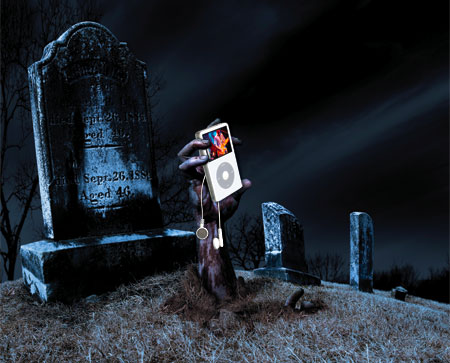
The value of music as a commodity, and as one of mankind's wonders, has never been in such flux. Retail record shops are dying, the former major labels are focused on making records for kids (the same kids they're suing), and the business overall remains wedded to an incredibly short view (get a hit or get out), but the music itself continues to trickle through to those who want it—and, yes, on some level would die without it.
2009 Records To Die For

A crime of passion? Depraved indifference to the importance of tuneage? Death by music? The simple fact is that most audiophiles got that way by having too many records. That's right—very few got into this rewarding, non-contact sport because they were aroused by shiny brushed-steel boxes or supersexy speaker grilles. It's because they wanted to hear their piles of music—their Mahler, Monk, or Rick James—sound the best it could. (And, okay, yes: It is cool to show drooling friends your designer gear.)
2010 Records To Die For

It's always revealing to see exactly what music people have sitting on their shelves or hard drives. It tells you a lot about themwhether they're kindred spirits (Bill Evans) or something less (Sting). In many ways, our annual "Records To Die For" feature is a kind of mini-window into the musical souls of our contributing editors; may the Gods of Song bless their tortured souls, every one. In the past, such choices as the soundtrack album for the movie Casper have raised eyebrows, if not outright suspicion. Still, along with crowing about our favorite records, we try to keep it all in good fun. What's the title of Stephen Mejias's excellent blog at www.sterophile.com—"Elements of Our Enthusiasm"? Well then, here are some of those precious elements that feed that enthusiasm. Remember: Gear ain't great without something to play on it.Robert Baird