

Thorens TD-150AB turntable and tonearm

This is an integrated arm-and-turntable unit using single-belt drive from a stepped motor pulley to an inside platter (under the main one), and having a three-point suspension similar to that in the AR turntable for isolation from acoustic feedback and floorborne vibrations. Speed change is accomplished by a two-pronged "fork" which, actuated by the speed selector knob, throws the belt from one step of the motor pulley to the other. The motor is a special synchronous type that is actually two motors in a single case. Their speed is determined by the frequency of the AC supply, so there is no speed adjustment.
Tice R-4 TPT & Coherence ElectroTec EP-C "Clocks"
Lars recently received a device that looks and works like a $25 digital alarm clock and is said to subtly improve the overall sound of one's system. It's the ElectroTec EP-C, from a company called Coherence Industries.
Tim de Paravicini

Stereophile: You are president of Esoteric Audio Research, a British manufacturer of tube amplifiers, and a world-renowned designer of tube equipment and output transformers. I thought we'd begin with a little background. Where were you born? What kind of education did you get to prepare you for a career in audio?
Tweaking your Record-Player
While the LP-vs-CD debate continues unabated among high-end audiophiles, the rest of the world has already closed the book on the venerable LP. All but a few specialized classical record companies (footnote 1)(and some weird magazines) have ceased releasing new LPs, few record stores sell them any more, and consumers who wouldn't be caught dead owning something that wasn't trendy have long ago dumped their LP collections for cents on the pound.
Upward and (Hopefully) Onward

Editor's Note from 1974: As you can read in the following "As We See It," the last issue of Vol.1 No.12 (cover dated "Spring 1966") was perhaps not as "strong" as it might have been. If we had been doing things according to Proper Business Practice, we should have held back our best articles and our gutsiest reports until that issue, as a high-powered incentive for our subscribers to renew their subs. We didn't. There were better articles and a greater variety of topics covered in earlier issues, but Issue 12 was significant in that it set the pattern of topic emphasis, and the balance of reports versus other editorial material, that was to continue more or less unchanged for the next 7 years.
Vendetta Research SCP-2 phono preamplifier
Few people in the audio business would deny that John Curl is an audio design genius—arguably the greatest one of our generation. He designed and built the electronics for Mobile Fidelity's SuperMaster and David">http://www.stereophile.com//interviews/478/">David Wilson's (of Wilson Audio) UltraMaster tape recorders, two of the three best analog recorders in the world. (The other is Keith Johnson's home-brew unit.) He designed the JC-1 head amp and JC-2 preamplifier sold under the Mark Levinson name some years ago. He designed head amps for SOTA, Michaelson & Austin (TVA), and has done consulting work for more high-end companies than you can shake a stick at.
VMPS SuperTower IIa/R loudspeaker

One of the nicest features of the High End is its diversity. Regardless of whatever trend is fashionable, there will always be manufacturers to buck it, and sell alternative concepts and sounds. VMPS is just such a case. With few exceptions, the recent trend in speaker systems has been toward small-to-medium-sized "monitors" with good imaging and high resolution, but limited bass and dynamics (footnote 1). The VMPS SuperTowers provide the former, but buck the trend by adding reproduction of the deepest bass and outstanding full-range dynamics.
Watkins WE-1 loudspeaker
First I should clear up what may be an ambiguity in the driver-lineup spec for these speakers. In each system, three 8" cone units serve as woofers. Two of these crossover from the midrange drivers at 100Hz. Crossover to the third 8-incher, the subwoofer, is at 40Hz. Thus, two woofers are active from 100Hz down to 40Hz, and all three are active below 40. In other words, the third woofer does not come into play until the frequency drops to the point where the radiating area of two 8-inchers starts to become inadequate for moving air, at which point the additional area of the third speaker is thrown in. Below 40Hz, all three are working together.
We Did It!
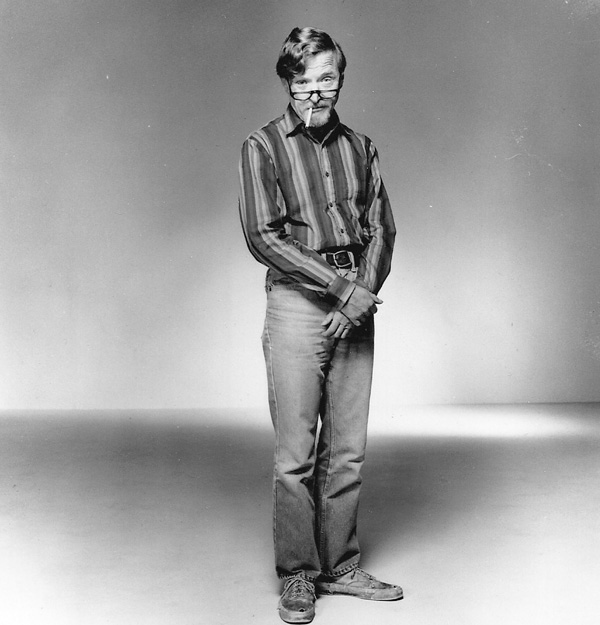
In 1960 the high-fidelity field was in a period of stasis. The hi-fi boom was starting to crest out, and there were three magazines for audiophiles: High Fidelity, Stereo Review, and Audio. The first two were (and still are) little more than vehicles for their advertising, more dedicated to promoting their advertisers' wares than in advancing the state of the art. Audio was more into equipment testing than either of the mass-hi-fi magazines, but it too was contributing to the stagnation by listening to its test results rather than to the components.
Weathers PS-11 Professional Stereo Pickup System

Editor's Note: This is the very first equipment report that was written by J. Gordon Holt for Stereophile, then called The Stereophile. The venerable JGH appended the following warning: The writer of this report was employed by Weathers Industries during the time when the product in question was undergoing development, so in view of this past association, and the doubt it may cast upon the writer's impartiality, this report probably should not be published, even though the writer left Weathers Industries over a year ago and is not bound by any obligations thereto.