

Acoustic Research Stereo Remote Control

Prologue: The context for this review is that back in the 1980s, preamplifiers and integrated amplifiers with remote controls didn't exist. In early 1985 I borrowed a sample of Acoustic Research's Stereo Remote Control, which I believe was designed by Ken Kantor (later to find fame with NHT) and set it up in my bedroom. It drove a pair of powered loudspeakers with auto turn-on, and I very quickly grew to appreciate, not just the sound quality, but the convenience of being able to control the system from the comfort of my bed. So what did JGH think of the SRC?John Atkinson
Analog Corner #244: TARA Labs cables, Synergistic Research accessories, Stillpoints ESS rack

Does everything produce an improvement?"
My skeptical visitor, to whom I'd just pointed out some of the acoustic treatments and other accessories in my listening room, wasn't trying to push my buttons. He just wanted my opinion.
"No," I said. "Some things make the sound worseway worsebut after all these years, I'm convinced that just about everything that can be done to a room or a system produces an audible difference, for better or worse."
Analog Corner #308: PS Audio DirectStream Power Plant 20, Thixar amplifier stands

I'm waiting for a bypass.
My heart did not attack me. My arteries aren't clogged. I'm awaiting an electrical bypass to save my audio system's life.
Andover Model-One turntable music system

Apart from the Beatles and Hendrix I heard in my audiophile father's basement, one of my earliest rock'n'roll memories involved a multipurpose record player at school. In third grade, six of us were moved as a separate group to a round table to watch a filmstrip in a darker part of a large, open-plan classroom. A clunky old record player in a self-contained carrying case with a half-dozen headphone jacks sat on the table.
AudioQuest JitterBug USB noise filter

I got an early start on computer audio. At the end of the last century I was using WinAmp with first a CardDeluxe PCI soundcard, then a similar card from RME, to play files on a Windows PC. After I became a MacPerson, I used FireWire audio interfaces from pro-audio company Metric Halo and an inexpensive USB-connected ADC/DAC from M-Audio. But it was with the USB version of Benchmark's DAC 1 that the computer began taking over from physical discs for my music listening. At first I used iTunes au naturel, but as I acquired more high-resolution files, I began using Pure Music to handle all the tedious audio housekeeping, assigning as a dedicated music server a G4 Mac mini I'd bought in 2006.
Book Review: 99% True: Almost a National Bestseller
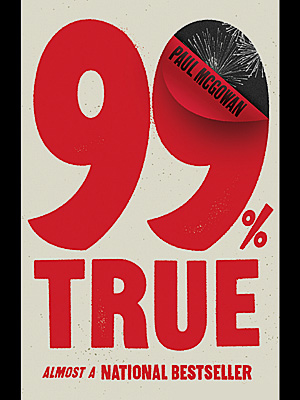 99% True: Almost a National Bestseller, by Paul McGowan. Lioncrest Publishing, 2019. 364pp. $25.00, hard cover; $15.99, paperback; $9.99, Kindle e-book.
To many audiophiles, high-end audio manufacturers must seem like monolithic entities, enduring for what seems like forever, like cliffs beside a familiar path. But as Paul McGowan explains in this unputdownable autobiography (footnote 1), behind the facade of stability things can be in financial turmoil, with success equally as risky as failure.
99% True: Almost a National Bestseller, by Paul McGowan. Lioncrest Publishing, 2019. 364pp. $25.00, hard cover; $15.99, paperback; $9.99, Kindle e-book.
To many audiophiles, high-end audio manufacturers must seem like monolithic entities, enduring for what seems like forever, like cliffs beside a familiar path. But as Paul McGowan explains in this unputdownable autobiography (footnote 1), behind the facade of stability things can be in financial turmoil, with success equally as risky as failure.Book Review: Audio Research: Making the Music Glow
Book Review: Audio Research: Making the Music Glow
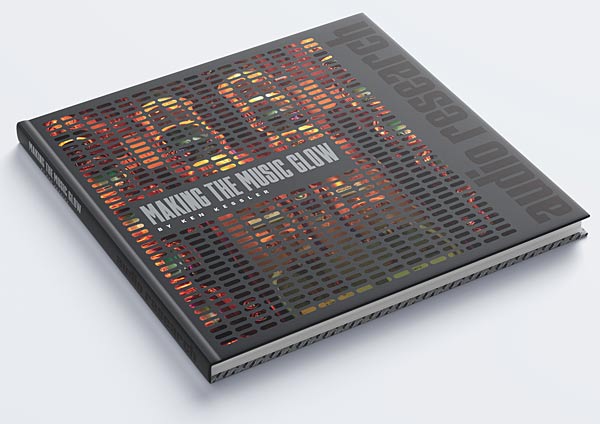
Written by Ken Kessler, designed by Henry Nolan. 220pp. $150. Available at Audio Research dealers and online at audioresearch.com. I never met Audio Research Corporation founder William Zane Johnson, who died in 2011. But when he founded his now-legendary company in 1970, I and my ragged troupe of Dynaco modifiers were in the trenches, fighting the sand-warrior hordes during the first transistor onslaught.
Written by Ken Kessler, designed by Henry Nolan. 220pp. $150. Available at Audio Research dealers and online at audioresearch.com. I never met Audio Research Corporation founder William Zane Johnson, who died in 2011. But when he founded his now-legendary company in 1970, I and my ragged troupe of Dynaco modifiers were in the trenches, fighting the sand-warrior hordes during the first transistor onslaught.
Book Review: Backstory in Blue
Backstory in Blue: Ellington at Newport '56
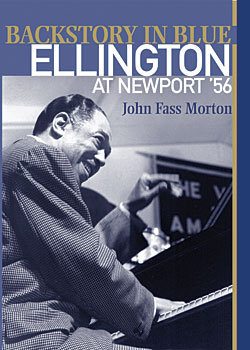
by John Fass Morton, foreword by Jonathan Yardley. Rutgers University Press, 2008. Hardcover, 336 pages, 107 B&W photos. $34.95.
by John Fass Morton, foreword by Jonathan Yardley. Rutgers University Press, 2008. Hardcover, 336 pages, 107 B&W photos. $34.95.
Book Review: Buzz Me In
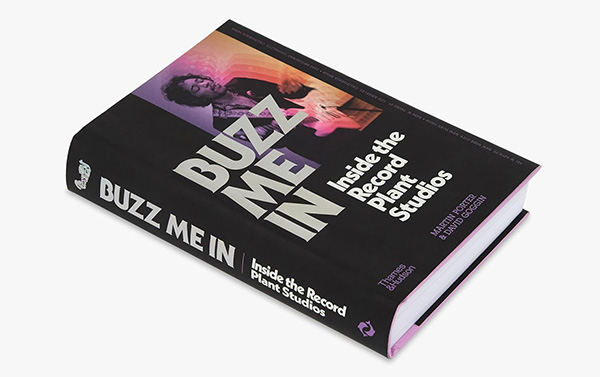
If you like 1970s rock music, particularly hard rock music, something you love was recorded or mixed in a Record Plant studio. If you have a favorite live album from the '70s or '80s, it was likely recorded by a Record Plant Mobile truck.
Book Review: Chairman at the Board
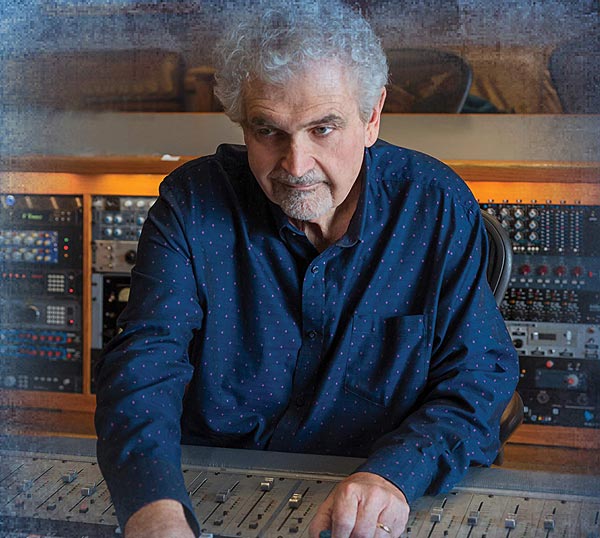
Chairman at the Board: Recording the Soundtrack of a Generation, by Bill Schnee. Backbeat Books, 2021. 219pp. $24.49, hard cover; $21.49, Kindle e-book.
It was September 2012, and Sasha Matson and I were in Los Angeles to record the singers for his jazz opera, Cooperstown. We had already recorded the instrumental backing with engineer Mike Marciano at Brooklyn's Systems Two studio, and the venue for the vocal tracking sessions was Bill Schnee's studio in North Hollywood.