Music and Recording Features

Sort By: Post DateTitle Publish Date

Mark Knopfler, Straits Shooter
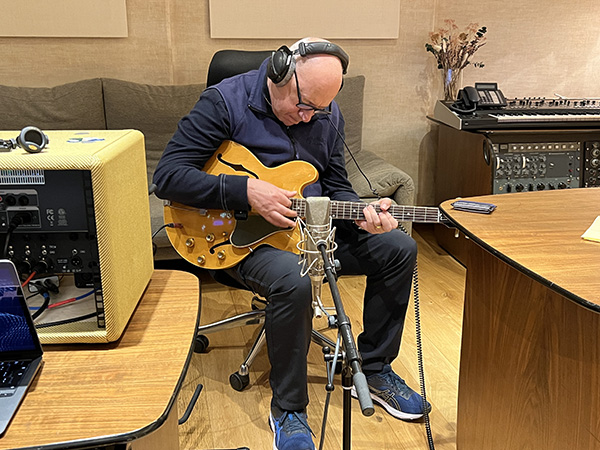
All photos by Guy Fletcher


For a guy born in postwar Glasgow who spent his formative years across the border in Northern England, Mark Knopfler has a knack for writing songs based in an American ethos.


Since disbanding Dire Straits, which he led from 1977 to 1992, Knopfler has evolved from headband-sporting guitar hero to acclaimed observational songwriter. Commencing with his 1996 solo debut Golden Heart (Warner Bros.) and continuing through One Deep River, his just-released 10th solo studio album, on the jazz-centric Blue Note label, Knopfler tells character-focused stories in arrangements that might cause listeners to think he's from Nashville, not Northumberland.

Jazz Without the Poverty: The Jazz Cruise Rides the Waves in Style

The Jazz House All-Stars. All Photos: John Abbott Photography c/o Jazz Cruises


Jazz leads a hand-to-mouth existence. It was born in the red light district of New Orleans in the early 20th Century, and has never fully overcome its disreputable origins. Jazz lacks the support from governments, foundations, and rich donors that other, more decorous art forms enjoy. Jazz is too much of the street to be considered high culture, yet its audience is tiny compared to the masses who consume popular music. Pop stars like Taylor Swift perform in huge stadiums. Important jazz musicians play the Bar Bayeux in Brooklyn.

Tom Waits's Island Records Reissues

In 2022, Tom Waits decided it was time to remaster the albums he made during his stint at Island Records. The Waits classics Swordfishtrombones (1983), Rain Dogs (1985), Franks Wild Years (1987), Bone Machine (1992), and the Waits (with Robert Wilson and William S. Burroughs) musical fable The Black Rider (1993) are the first new remasters to be released.


Remastered from the original tapes (except one, for which a digital source was used), all five are available on LP and CD as well as streaming and download.

The Forever Half-Life of Quadraphonics

The popular history of quadraphonics (4-channel sound from LP records, tapes, and radio broadcasts) chronicles a spectacular failure. The major record labels, led by CBS/Columbia and JVC/RCA, invested millions in ill-fated schemes to convince music lovers to ditch 2-channel stereo for 4-channel surround sound. The concept was killed, so the story goes, by competing and incompatible LP formats, high prices on the better-sounding discrete-channel reel tapes, and a collective shrug by the buying public.


That story is mostly true, though the format thrived for a while in Japan and Germany, and it never fully died. Now, modern tech has made possible rereleases of 1970s quad albums on relatively common formats: multichannel SACD and Blu-ray discs (BD). No more "meh" LP formats, no more fussy 1970s-tech decoders.

Steven Wilson: A Master of Immersive Music

Photo By Adam Taylor


Steven Wilson loves changing the minds of spatial audio skeptics. He's the go-to Dolby Atmos and 5.1 mixmaster for many heritage artists, new-wave bands, and alternative acts. Best known for leading the post-prog collective Porcupine Tree, releasing a score of genre-stretching solo albums, and serving as a key creative contributor to such experimental groups as No-Man and Blackfield, Wilson's approach is simple: bring them into his studio and let the music do the talking.

Brilliant Corners #11: Willie and Merle

I said to Hank Williams, how lonely does it get?

Hank Williams hasn't answered yet

But I hear him coughing all night long

Oh, a hundred floors above me in the tower of song


          —Leonard Cohen, "Tower of Song"


When I was a child growing up in Moscow in the 1970s, our pop-musical landscape was dominated by the so-called bards. They were Soviet counterparts to singer-songwriters from the West, and they sang literate, knowing lyrics while accompanying themselves on acoustic guitars. Even the word used to describe them—bard'i—was adapted from English. And because they sometimes sang about aspects of day-to-day life that were off limits in public, their music rarely appeared on records and was circulated mostly on fuzzy-sounding homemade tapes.


The best known among the bards were a Georgian-Armenian poet named Bulat Okudjava—who sang sentimental ballads about (chaste) romantic love, childhood friends, and The Great Patriotic War—and an altogether more daring performer named Vladimir Vysotsky.

Santa's–Sorry, Sasha's–Christmas Playlist


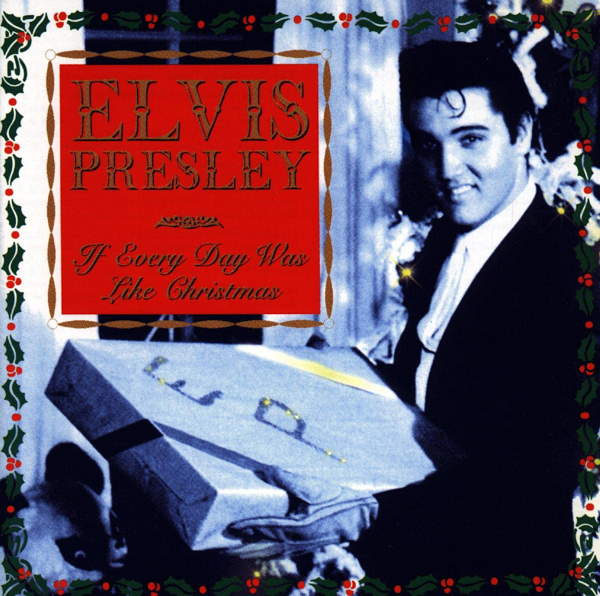
In my house, I have a little stack of CDs that I bring out once a year—for Christmas Eve and Christmas day. I then put them away on the shelf until the following year. This annual Festival of Christmas Albums is met with varying degrees of pleasure and resignation by the family members present; listening is non-negotiable, though we may not make it through all of them. Once in a while a new Christmas album will make the cut and be added to the stack, but not every year.

On The Road Again, A Year Later

Teatro Morlacchi at Umbria. All Photos by Tim Dickeson.


It has been a year since my piece "On The Road Again: A Jazz Festival Journal From A Summer Of Plague And War" appeared, in the November 2022 issue of this magazine. It described three European jazz festivals I attended in July 2022.


In July 2023, I returned to Europe to attend two festivals. The COVID-19 plague and its fallout had significantly subsided. The war in Ukraine was still raging, but this time I didn't get near it. In 2022, I went to a festival in Romania, which borders Ukraine. In 2023, I only went to Italy.

Advertisement
Advertisement
Advertisement