Interviews

Sort By: Post DateTitle Publish Date

Do We Need A High-End Audio Industry Association?
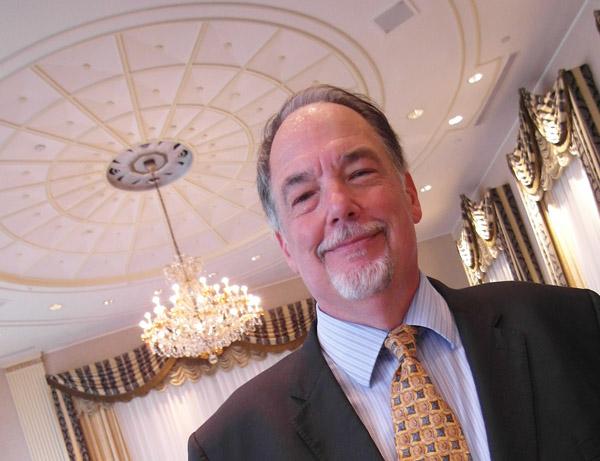
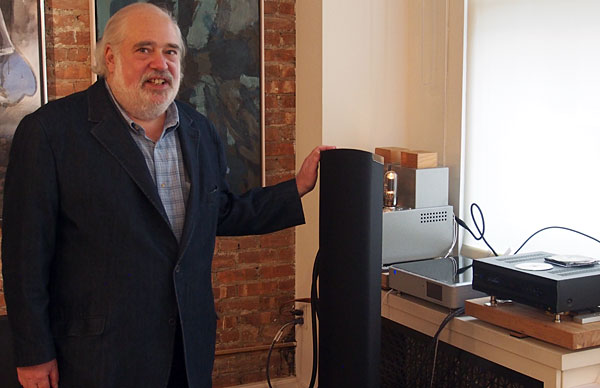
As I was scanning the comments under Jason Victor Serinus's insightful piece, "What If They Gave a CES and Nobody Came?", Bill Leebens's words caught my eye. Being the (relatively) new audiophile on the block with high hopes to entice the masses, the concept of forming a trade body to promote high-end audio was immediately appealing to me. Dying to know more, I decided to stalk Bill and get to the bottom of this.
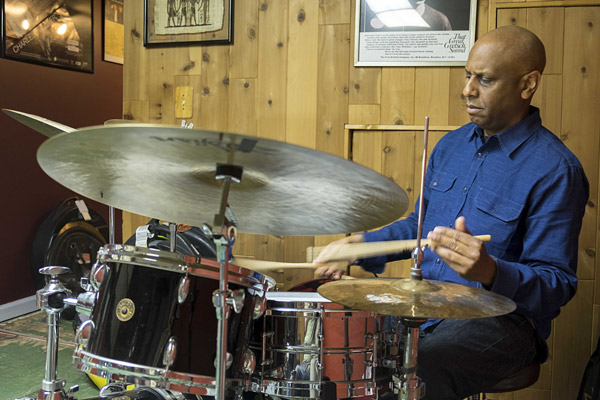
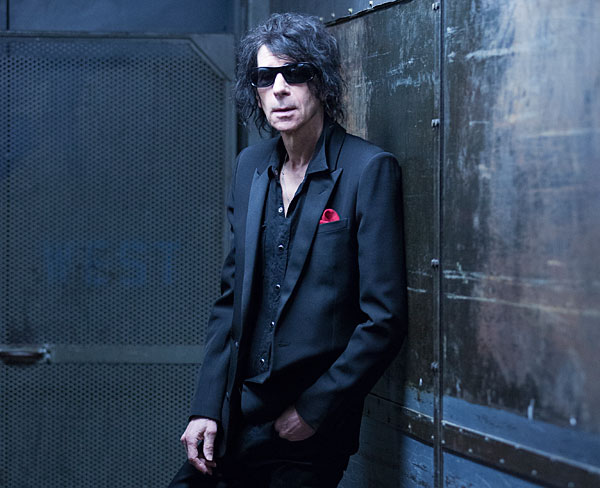
Colin Stetson: Sorrow & Górecki

Eine kleine Nachtmusik it ain't. And yet, in 1992, lightning struck, tectonic plates shifted, and the third symphony of Polish composer Henryk Mikolaj Górecki (1933–2010) became a bona-fide hit. Defying both skeptics and logic, a recording of this decidedly sepia-toned work, subtitled The Symphony of Sorrowful Songs, by the London Sinfonietta conducted by American maestro David Zinman, and featuring soprano soloist Dawn Upshaw, eventually sold over a million copies, making it the largest-selling recording of modern classical music ever.

Sandy Gross: True Confessions

This tale might have been scripted by Barry Levinson, the Baltimore-bred filmmaker who has set four pictures in his hometown, where much of the Sandy Gross story has also taken place. The young Sanford Gross moved there to attend Johns Hopkins University, and subsequently, in one of the city's Civil War–era houses, got Polk Audio rolling with fellow alumni Matthew Polk and George Klopfer. The company flourished, but Gross, who had minored in film at Hopkins, had an itch for Hollywood. He moved to Los Angeles, only to find the movie business tinged with illusion—much as Billy Wilder and Charles Brackett had portrayed it in Sunset Boulevard, their merciless 1950 film noir. So Gross plotted a new scenario, returned to Baltimore, and re-entered an industry committed to low distortion.

Listening #160

In November of 1990, my wife and I traveled to the UK for our honeymoon, much of which was spent in Scotland. But we also spent a few days in London, and it was during that time that I discovered, in the Bloomsbury district, one of the finest classical-music record stores in the world: a two-story shop on New Oxford Street called Caruso & Company. It didn't have quite as large a selection as Music Masters, on 43rd Street in New York, but it had something that that long-lamented store couldn't boast: clerks who were friendly, knowledgeable, and gregariously helpful.

Capturing it Live with Peter McGrath

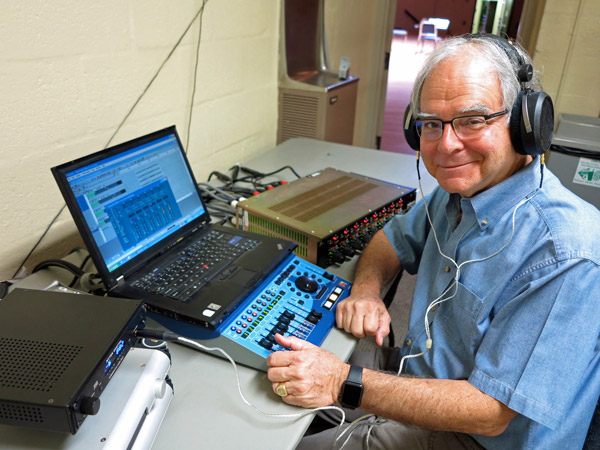
Ever since I encountered Wilson Audio Specialties' Peter McGrath (above) playing his own digital recordings at audio shows, hanging out in the Wilson Audio room has proven the consistent highlight of my show coverage experience. Nor is it simply the quality of the musicianship that continues to draw me to McGrath's rooms. As anyone who has heard his work can attest, the man's ability to capture the unique characteristics of a performance venue, as well as the natural sound of voice and instruments, is second to none.

Shane Buettner, Intervention Records


"With all due respect, what the hell is the matter with you?"


Over the years, I've felt obligated to ask this question of several friends who somehow concluded that their life's work involved founding a record label.


"That is the best question isn't it?" Shane Buettner said with a big laugh. "Why do I want to hurt myself this badly and spend a lot of money doing it?" He smiled again, with a mild shake of the head.


"Actually, yes—that's exactly what I mean."

Advertisement
Advertisement
Advertisement