Computer Audio Reviews

Sort By:  Post Date TitlePublish Date

Echo Indigo IO CardBus soundcard

The integration of computers into high-end audio is contentious. A reader">http://www.stereophile.com/showvote.cgi?340">reader poll last spring on our website indicated that a significant proportion of audiophiles—a quarter—is dead set against the idea, yet both Microsoft, with Windows Media Player 9, and Apple, with iTunes, seem convinced that the future of domestic music reproduction involves computers. To support that idea, both Apple- and Windows-based computers (the latter with Intel's about-to-be-launched HD Audio technology) are promoting hi-rez audio playback.

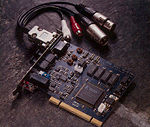
RME Digi96/8 PAD computer soundcard

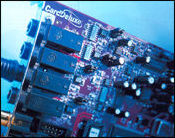
When I read John Atkinson's reviews of the Digital Audio Labs CardDeluxe (Vol.23 No.9) and RME Digi96/8 Pro (Vol.23 No.11 and Vol.24 No.1), I realized that soundcard technology had matured far faster than I had been aware. For about the price of a mainstream CD player, anyone with a reasonably powerful computer could add multitrack digital recording technology to his bag of tricks.

RME Digi96/8 Pro computer soundcard

In the early days of digital audio, I remember talking with Dr. Tom Stockham, the developer of the groundbreaking Soundstream system used then by Telarc. As well as using a 50kHz sample rate, the excellent-sounding Soundstream stored its 16-bit data on large drum-shaped Winchester drives connected to a minicomputer. Twenty years later, the advent of ultra-high-density magnetic storage media and fast microprocessor chips has put high-resolution digital audio manipulation and storage within reach of anyone with a modern PC or Mac. And facilitating the transformation of the PC into a high-quality DAW has been a new generation of soundcards, such as the Digital">http://www.stereophile.com//digitalsourcereviews/280/">Digital Audio Labs CardDeluxe I reviewed in September 2000 and the subject of this review, the German RME Digi96/8 Pro.

Advertisement
Advertisement
Advertisement