Interviews

Sort By:  Post Date TitlePublish Date

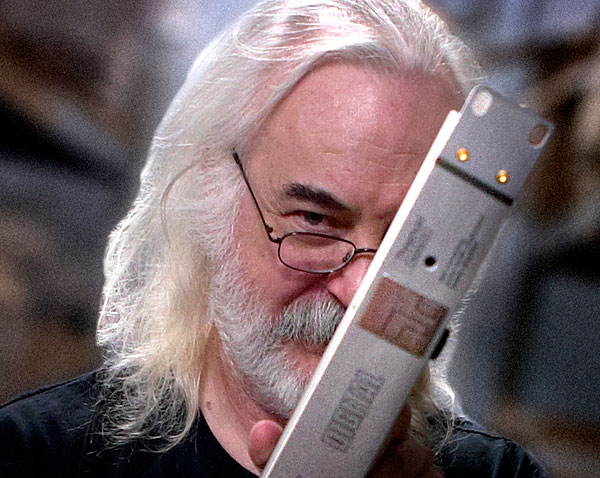
Murray Head: Nigel Lives Again
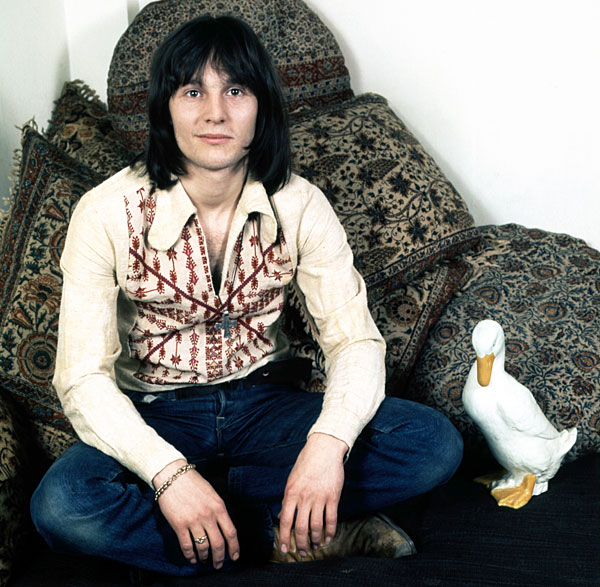
Seeing your album in a record store's cutout bin meant one thing. Despite the label execs' wide smiles, warm handshakes, and earnest promises to the contrary, once the record jacket had a hole punched in it, or its corner clipped, it meant your record label had lost faith and moved on.

Record collectors felt differently. The prices of cutouts were right—usually, from 99õ to a penny under two bucks. And cutouts were better than digging through crates because the records were still sealed . . . even if the jackets were a bit mangled. The beauty of cutouts was that they were so cheap, you could afford to be lavish, and go home with anything that caught your fancy.
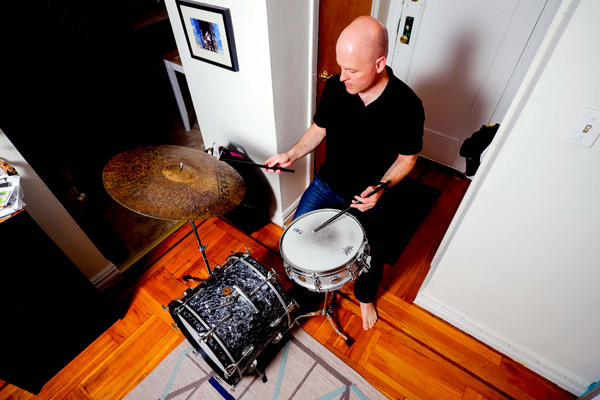
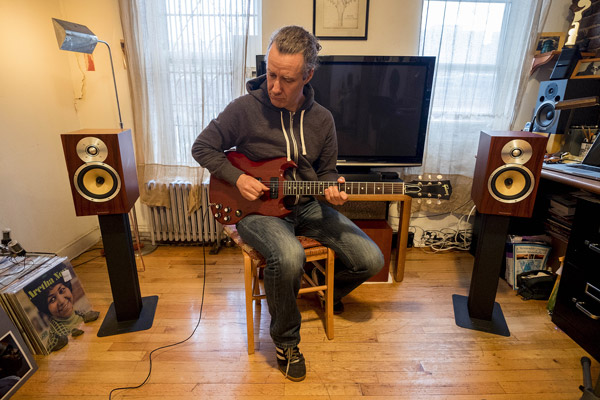
Musicians As Audiophiles: Paul Wells

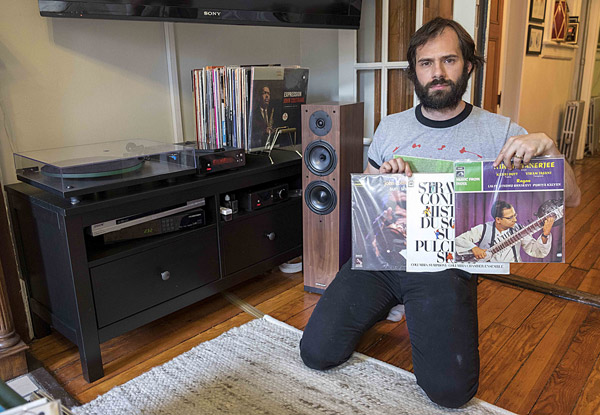
Starting with Musicians As Audiophiles subject #1, jazz drummer extraordinaire Billy Drummond, one thing soon became clear: New York City and its environs are a veritable smorgasbord of musicians who value high-end audio authenticity as much as any longtime reader of Stereophile.

"A fellow drummer and friend, Aaron Kimmel, got me into audio via Billy Drummond," notes MAA #7, drummer Paul Wells. "We call Billy 'the Pusherman.' He's got a lot of musicians in New York into high-end audio.

Dan D'Agostino's Progress to Progression

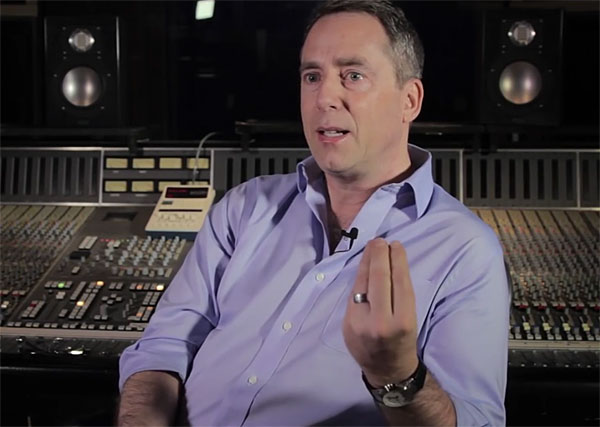
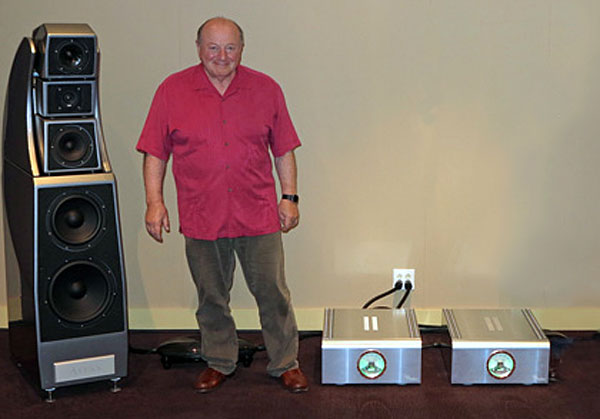
To accompany my review of the Dan D'Agostino Master Audio Systems Progression monoblock amplifier elsewhere in this issue, I talked to Dan D'Agostino about the amplifier's design. I started by asking him what were some of the major differences between the Momentum and the Progression monoblocks?

Dan D'Agostino: I took the best parts of the Momentum's more sophisticated and complex circuitry and put them in the Progression, without using the same high parts count. Each stage of the Momentum's gain amplifier is separate, with input stage and driver stages on separate rails. All of the Momentum's devices are designed for maximum performance in a small package, which requires a lot more of them, and a significantly bigger input card than the Progression's. These differences create subtleties, because I'm able to run much higher current in the Momentum's front end.

Nelson Pass: Circuit Topology and the End of Science

Nelson Pass is a consummate engineer, but he got his start in physics, earning a bachelor's degree from UC Davis. As he worked on his degree, he was already an audio designer, focusing on loudspeakers—great training for a designer of audio amplifiers. Soon, in 1974, he cofounded Threshold Audio with René Besne, of audio and folk-dancing fame; their goal was to build electronics, partly because the field is less competitive—it's harder than building speakers.

Musicians As Audiophiles: Adam Rogers

"For years, I had a terrible listening situation," guitarist Adam Rogers recalls. "I had a Vector Research amplifier that the guys at the hi-fi store called 'Victim Research.' I'd fallen into the contemporary trap of listening to music on computer speakers or headphones, all the while feeling that at some point I would like to invest in a great listening scenario."

Adam Rogers is one of most astute and industrious players in the world of jazz, a native New Yorker who has seen every era of the Big Apple music scene, and risen to become one of the best guitar players in the world...

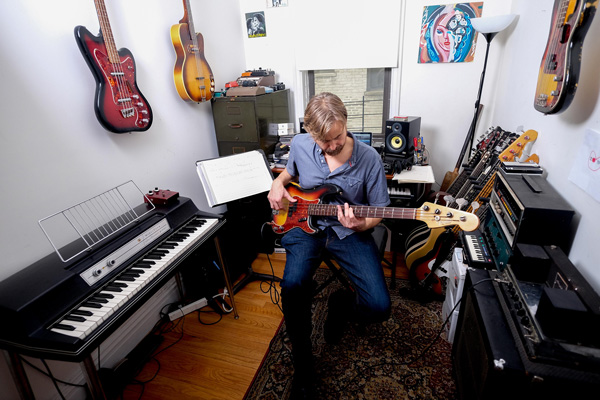
Musicians As Audiophiles: Chris Lightcap

New York City upright bassist Chris Lightcap is an excellent musician with an eye towards vintage environments. He lives with his family in a gorgeous Art Deco building, covets his wife's collection of 1950s and '60s-era cameras, has his own amazing collection of classic electric basses and guitars, and his comfortable apartment was once home to a Mafia hit-man. . . Lightcap's hi-fi consists of a Thorens TD-160 turntable, an early '60s era Fisher KX-100 Stereo Master Control Amplifier, Dynaco FM-3 Stereo Tuner, TCC TC-754 Black RIAA Phono Preamp, and KLH 17 loudspeakers.

Joe Harley: Both Sides Now

Recordings and playback gear are two different sides of the hi-fi coin, and while many people have made careers creating one or the other, far fewer have made significant contributions to both. Joe Harley is one of those few. A longtime principal with the influential high-end audio manufacturer AudioQuest, he also continues to expand the discography of highly regarded recordings he has produced or helped to remaster, of both new and historically significant music.

Musicians As Audiophiles: Dan Weiss

Drummer/composer Dan Weiss has wide-ranging musical tastes, superb skills, and a rocking little Rega-based system in his cozy Brooklyn, New York apartment. Dan has drummed with many jazz greats, but it's his own projects that have generated the greatest interest. He's a thinking musician's musician, one who astutely assesses the pros and cons of every situation. Dan doesn't enter musical projects or hi-fi scenarios lightly. When considering his first major stereo purchase Dan listened to many combinations of turntable/CD player/amplifier/speaker(s).

Musicians as Audiophiles: Ron Carter

Ronald Levin "Ron" Carter is arguably the greatest upright jazz bassist to have ever walked four strings, and he's literally the most recorded bassist of all time. "With 2,221 individual recording credits, as verified on 15 September 2015," notes Carter's website. As I've interviewed musicians for Musicians as Audiophiles, to a man they've whispered, "You've got to hear Ron Carter's rig. He's deeeep into it."

Spencer Chrislu: Master Quality Authenticated

Most people who have heard music recordings encoded with Master Quality Authenticated agree that it sounds really goood (footnote 1)—but even they recognize that at least one major challenge remains: ensuring that listeners can actually get, in MQA format, the music they most love. I spoke with Spencer Chrislu, MQA's director of content services, about the company's efforts to meet this challenge.
Advertisement
Advertisement
Advertisement