Phono Preamp Reviews

Sort By:  Post Date TitlePublish Date

FollowUp RoundUp

When Stereophile publishes followup reviews of various kinds in the print magazine, we add the followup as a "child page" to the full review. That means that they don't appear on the website's home page and might get missed. The October 2020 issue included three followups: of the Boulder 2108 phono preamplifier, the Weiss DAC502 D/A processor, and the IsoAcoustics Gaia loudspeaker isolation feet.

Analog Corner #297: van den Hul The Grail SE+ phono preamplifier & SAEC WE-4700 tonearm

The catastrophic February 6 fire at the factory where Apollo Masters produced LP-mastering lacquers—flat aluminum discs covered with nitrocellulose lacquer—will be old news by the time this column gets to you, but the repercussions of the loss will be ongoing for at least the next year and probably beyond.

Analog Corner #300: Boulder 2108, Consolidated Audio Monster Can

The two biggest sonic jolts I've experienced involving phono preamps were from two very different ones: the Petr Mares's Connoisseur 2.0 and Boulder's 2008, which was reviewed in the July 2002 Stereophile. The first was hand-built, single-ended, housed in a wooden case, limited to 100 units, and, when I got to hear it in the mid-1990s, cost around $6000, or about $10,000 in today's dollars. The other was a feature-laden, double-chassis monument to flexibility and surface-mount high technology. It featured beautifully finished, flush-mounted mirrored buttons your fingers just wanted to press.

Analog Corner #286: Channel D Lino C 2.0 phono preamplifier

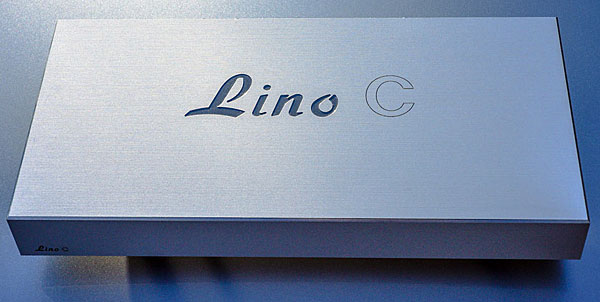
Install a new component in your system and there's usually a period of adjustment as you get used to the difference in sound—especially if the new product costs much less than your reference. Channel D's new Lino C 2.0 balanced phono preamplifier costs $2499, yet my ears instantly accepted its combination of drop-dead, noise-free backgrounds and lack of obvious colorations or sonic personality. I didn't hear it—I heard only my Ortofon A95 cartridge, with which I'm well familiar, as amplified by far more costly phono preamps.

PS Audio Stellar Phono phono preamplifier

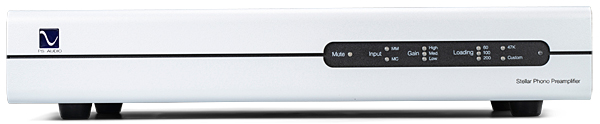
We usually save the question of value for the end of a review, but this time it's worth mentioning up front, if only because PS Audio has been in the news lately. Late last August, the company announced they were switching from a traditional dealer network to a factory-direct sales model. So, to some readers, it might seem fair to judge the brand-new, full-featured Stellar Phono Preamplifier ($2500) against ones selling in stores for $5000.

Sutherland Engineering Little Loco phono preamplifier

Descriptions of the sounds of products from Sutherland Engineering nearly always include "refined." While that word is certainly justified, it would be more apt to use it as a verb: Ron Sutherland spends more time than any audio designer I've known studying and fine-tuning and refining every detail of his work. I have the impression he knows those products so well that when he decides to design a less expensive version of his newest and best models, he knows exactly what to do.

Listening #195: Ortofon SPU Century & Grandinote Celio

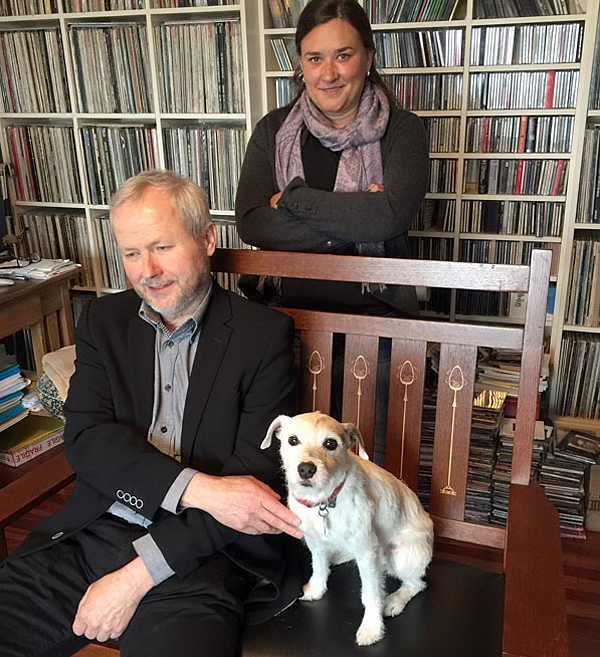
Easy pickup: Art’s Dog, Chatter, cozies up to Leif Johannsen of Ortofon A/S and Dee Hustinova of Ortofon USA. (Photo: Art Dudley)

According to the 2018 edition of the UN's World Happiness Report, Denmark is the third-happiest nation on Earth, trailing only its neighbors Finland and Norway.

I heard that yesterday afternoon, on NPR. The reporter even spelled out the word used by Danes to describe their feelings of happiness: hygge. Apparently, at present, Denmark is positively rotten with hygge.

Gramophone Dreams #25: Dr. Feickert, Jelco, Koetsu, My Sonic Lab

I needed one black tiddledywink (not provided) to use Dr. Feickert Analogue's three-speed, two-motor, two-armboard Blackbird turntable. The tiddledywink was for covering the Blackbird's painfully bright power-on LED so that it didn't blind me when I cued up a record. The first night, in my dark listening room, this tiny indicator sprayed the wall behind and the ceiling above with more light than a bright-emitting 845 vacuum tube.

Gramophone Dreams #24: Hana & Musical Surroundings

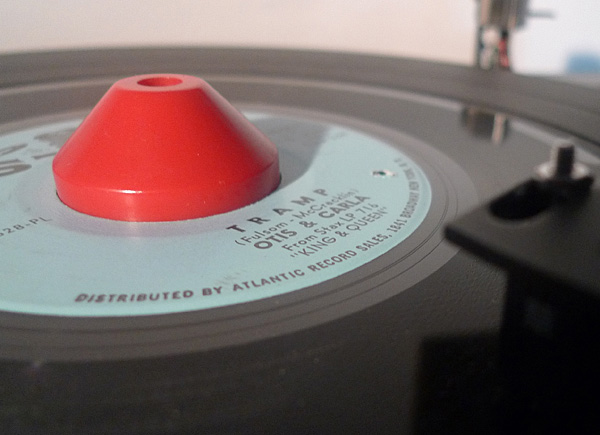
The days were long, the strawberries ripe, but it wasn't quite summer. It was, however, a perfect night for Otis Redding and Carla Thomas singing the Lowell Fulson–Jimmy McCracklin classic "Tramp," on a 7" 45rpm single (Stax 45-216).

Otis: What you call me?

Carla: Tramp! You don't wear continental clothes, or Stetson hats.

Advertisement
Advertisement
Advertisement