ReDiscoveries

Sort By:  Post Date TitlePublish Date

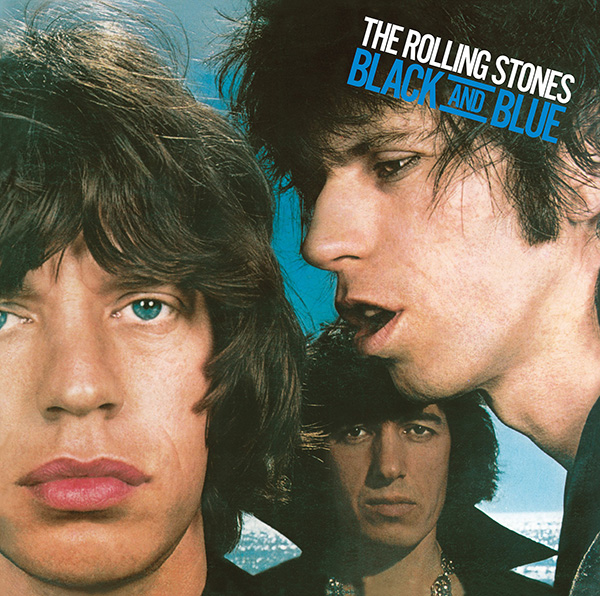
ReDiscoveries #12: Interscope Releases the Rolling Stones' Black and Blue

In the Rolling Stones' long history, the Mick Taylor era was a peak, if not the peak. Taylor, who replaced cofounder Brian Jones in the late 1960s, proved a great musical foil for Keith Richards. He was a technical wizard on the guitar; those fluid higher-octaves riffs and runs were the perfect counterpoint to Richards's jabbing and stabbing and growling style.

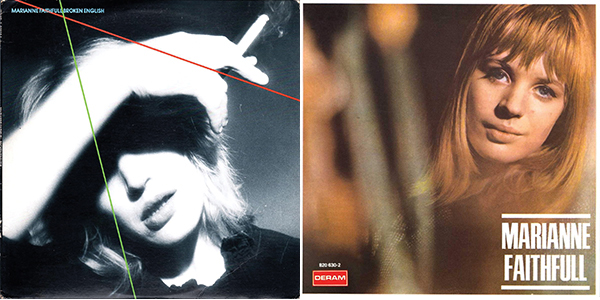
Rediscoveries #10: Marianne Faithfull, Songs of Innocence and Experience

Much of the coverage of the passing of Marianne Faithfull has focused on her private life rather than her music. That is understandable—yet it's also regrettable because it misses the important fact that for 60 years, Faithfull produced an impressive catalog of music, releasing 21 solo studio albums plus collaborations, compilations, and live recordings.

To oversimplify, her career can be divided in two periods. The first, which received most of the attention in obituaries, was in the 1960s, when she was a face of the British Invasion. In the mid-'60s, with her soft, folky voice and very English pop, she enjoyed several US hits including "As Tears Go By" and "Come and Stay with Me," both from her self-titled 1965 debut album, though "As Tears Go By" was released as a single in 1964. The other charting singles were "This Little Bird" and "Summer Nights," both from her second album, The World of Marianne Faithfull. ("Go Away from My World," from the same album, also charted in the US—barely.)

ReDiscoveries #9: Emily Remler Cooks in Vegas

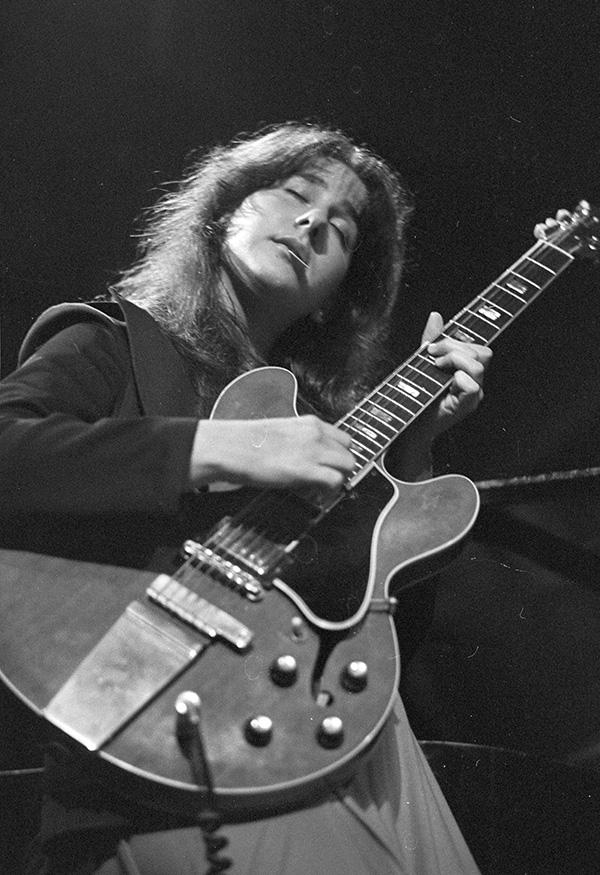
Photo by Tom Copi.

In less than 11 years, guitarist Emily Remler went from rising star to shooting star, from her first major exposure—an invitation from Herb Ellis to perform as part of "Guitar Explosion" at the Concord Jazz Festival on July 21, 1978—to her final concert on May 3, 1990, at the Hotel Richmond in Adelaide, Australia, where she was found dead from a heart attack the next day. She was 32 years old.

The recent Resonance Records triple-LP/double-CD set Cookin' at the Queens: Live in Las Vegas (1984 & 1988) is a welcome reminder of her prowess and a sad marker of what she might have accomplished if she hadn't died so young.

ReDiscoveries #8: Louis Armstrong in London

No jazz-centric visit to New York City is complete without a trek out to Queens. At 46th Street in Sunnyside stands the apartment building where famed cornetist Leon Bismark "Bix" Beiderbecke's alcoholism finally killed him in 1931. Farther out, in Corona, is the newly enlarged and expanded Louis Armstrong House Museum. The actual house Armstrong bought in 1943 and lived in until his death in 1971 is just the way it was when his fourth wife, Lucille, died there in 1983. The long white couches, bright blue kitchen cabinets, and wall-mounted reel-to-reel tape decks behind his desk in the upstairs den remain, all extraordinarily well-preserved. Just north of there, in Flushing Cemetery, you can visit Armstrong's grave.

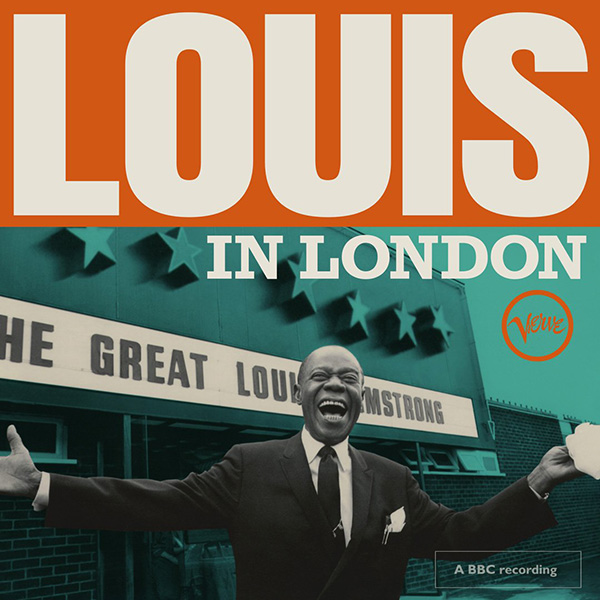
Pops, as he was affectionately known by friends and fans, was an inveterate maker of scrapbooks and tapes of his music. By spring 1969, he had a pair of Tandberg reel-to-reel recorder/players up and running. One of his then-new treasures was a set of tapes made by the BBC from television broadcasts recorded the preceding summer. Music from those tapes—13 tracks in all, four for the first time ever—has just been released on CD, LP, and streaming, as Louis in London.

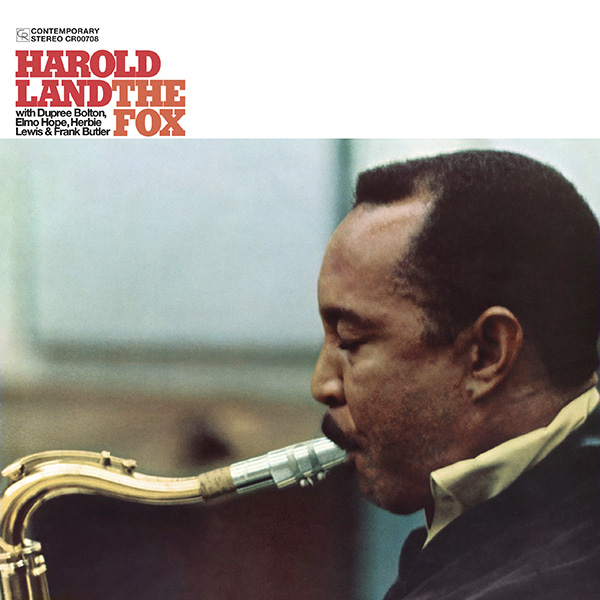
Rediscoveries #7: Harold Land's The Fox from Craft Recordings and Acoustic Sounds

Most of the 1950s Contemporary Records catalog is the bullseye of "West Coast Jazz," a smoother, more laid-back flavor than the hard bop and soul jazz styles percolating back east. Set in that context, tenor saxman Harold Land's The Fox stands out for its aggressive speed and punch. Its style would seem more at home on Blue Note or Prestige.

Read the back notes on the beautifully packaged new reissue from Craft Recordings and Acoustic Sounds and clarity emerges. The Fox wasn't born in Contemporary's studio/shipping room. Instead, it was laid to tape at Radio Recorders, Studio B, Los Angeles, in August 1959. It was the first record produced by David Axelrod, who would become a fixture at Capitol Records. It was released by short-lived label Hifijazz. Contemporary reissued it in 1969, and it has rarely been out of print since.

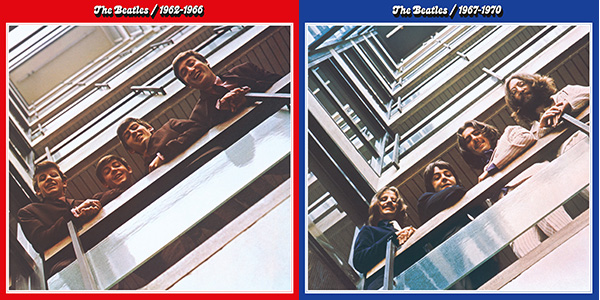
ReDiscoveries #6: Old is New, The Beatles' Red & Blue

The first Beatles music is more than 60 years old, and the group broke up 53 years ago. Yet they and their music remain relevant. So when Apple Corps announced "The Last Beatles Song," on October 26, the world's media ran with the story.

Beatles fans span at least four generations, and the group's promotion machine is looking to hook today's youth, and perhaps rekindle old flames, with 50th Anniversary deluxe reissues of the "Red" (1962-1966) and "Blue" (1967-1970) compilations. These expanded editions—12 new tracks on Red and nine on Blue, including the new-old single "Now & Then"—sport remixes performed since 2015.

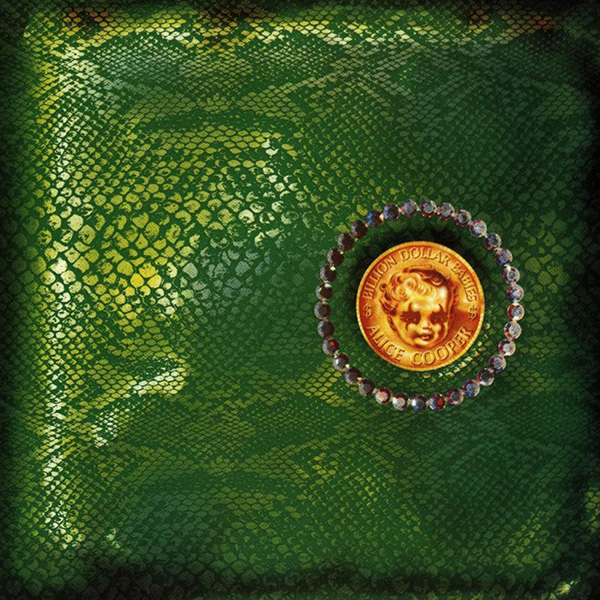
ReDiscoveries #5: Alice Cooper's Billion Dollar Babies

1972 is widely praised as the most fertile year ever for rock albums, notching such classics as The Rolling Stones' Exile on Main Street, David Bowie's The Rise and Fall of Ziggy Stardust and the Spiders from Mars, and Neil Young's Harvest. But albums released in 1973 and currently celebrating their 50th anniversary may be even better: Pink Floyd's Dark Side of the Moon, Elton John's Goodbye Yellow Brick Road, ZZ Top's Tres Hombres, and Bruce Springsteen's The Wild, the Innocent, and the E Street Shuffle, among others. But of all the enduring albums of '73, the most exotic, audacious, and ultimately entertaining must be Alice Cooper's Billion Dollar Babies.

ReDiscoveries #4: Lee "Scratch" Perry & King Scratch

"Whip dem, whip dem," sings Junior Byles on "Beat Down Babylon," to the accompaniment of whip cracks that recall the ones on Frankie Laine's "Mule Train." Produced by Mitch Miller some 20 years before Lee "Scratch" Perry produced Byles's reggae hit, "Mule Train" helped establish "the primacy of the producer—even more than the artist, the accompaniment, or the material," according to author Will Friedwald, who adds that "Miller also conceived of the idea of the pop record 'sound' per se: not so much an arrangement or a tune, but an aural texture (usually replete with extramusical gimmicks) that could be created in the studio."
Advertisement
Advertisement
Advertisement