Listening #133
If you travel along Route 20 in upstate New York, you might see the hitchhiker my family and I refer to as the Old Soldierso called because this slightly built man, whose age could be anywhere from 55 to 90, is always dressed in a military uniform from some long-ago campaign. When we first saw him, his topcoat suggested a recent return from Chateau-Thierry; in more recent sightings, the old man has taken to wearing the trim khakis and sharply creased legionnaire cap of the late 1940schronological zigzagging that made me think, at first, that this traveler was aging in reverse.
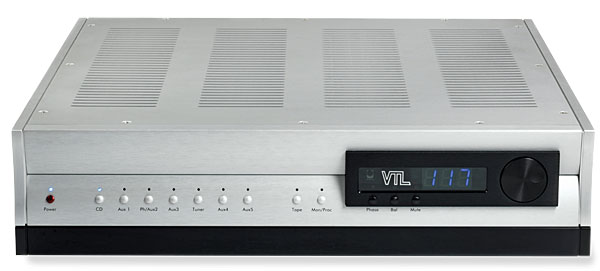
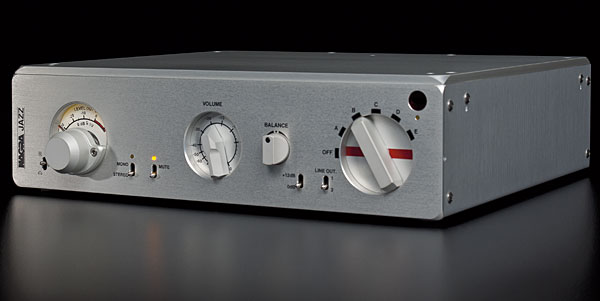
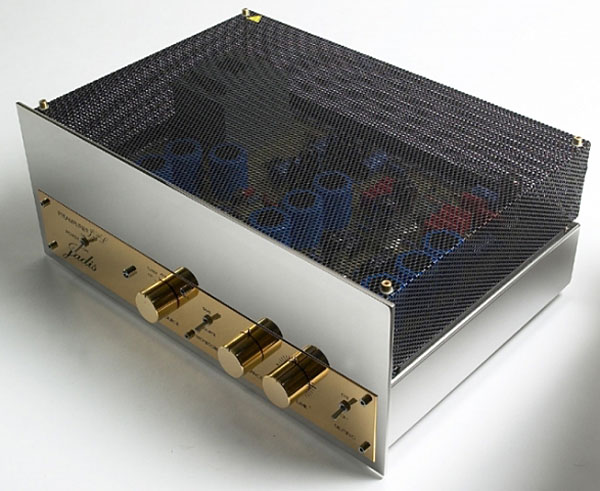
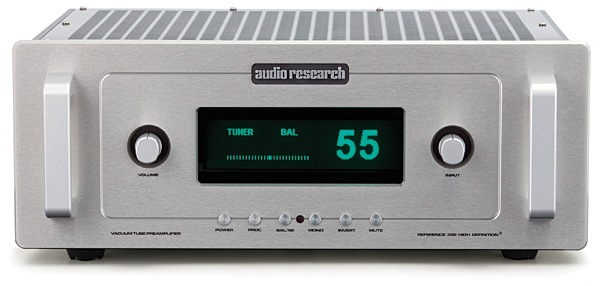
 I must admit that, for a long time, I found it difficult to accept the idea that a major portion of one's audio budget should be spent on the preamplifier. Speakers, yesthey produce the sound; amps drive the speakers, so they're important. And source components? Well, everyone knows it's garbage in/garbage out. But a preamp? Even the name suggests something that's not quite the real thing, like pre-school, pre-med, or premature. Unlike amplifiers, they don't have to contend with loads that sometimes approach a short circuit, and heat dissipation is not normally a problem. What's the big deal?
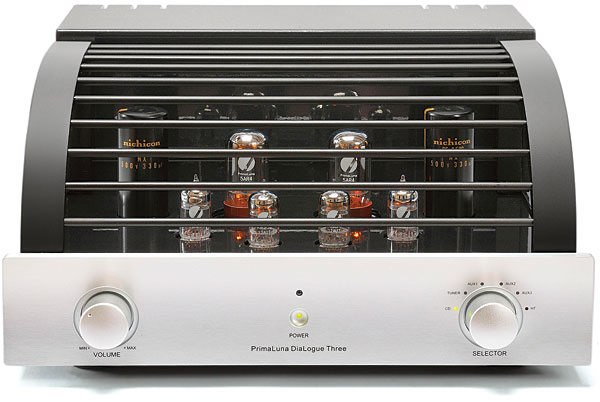

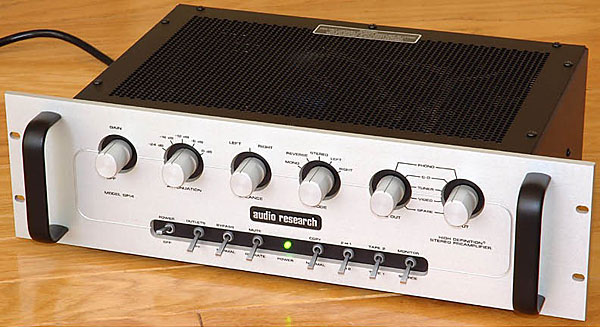
 While high-priced equipment can easily acquire stature on grounds of outright performance and physical appearance, we critics have more admiration for genuine achievement at lower price levels. One such product was the all-triode SP8 preamplifier from Audio Research, launched back in 1982 and priced at $1400. This classically tasteful preamplifier came equipped with a medium-sensitivity phono equalizer and the usual tape and line inputs.