As We See It

Sort By:  Post Date TitlePublish Date

Too Many Audio Shows?
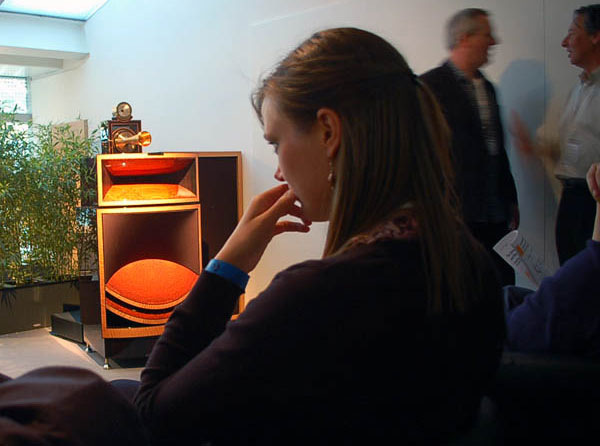
In the wrap-up of his coverage of the 2013 Salon Son & Image show in Montreal, which took place at the end of March, Robert Deutsch asked if there were too many audio shows. The Chicago AXPONA show was held two weeks before SSI, the second New York Audio Show followed less than three weeks later. In May, there was the humongous High End 2013, in Munich, followed two weeks later by the third T.H.E. Show Newport Beach, followed by: the Capital AudioFest, in Washington, DC (July 26–28); the fourth California Audio Show, in the Bay Area (August 8–11); the tenth Rocky Mountain Audio Fest (October 11–13); and TAVES in Toronto (November 1–3).

While this is no more shows than took place in 2011 or 2012, many exhibitors, manufacturers and distributors alike, to whom I talked at the spring events felt that the high-end audio industry is suffering from an overload of audio shows.
Are you listening more but enjoying it less?

I have a hunch that the overwhelming majority of Stereophile readers have pretty decent hi-fis, but they probably listen to a lot more music in their cars, or through computer speakers, or on the go with headphones. I'm in that last group, and log more hours listening to Jerry Harvey's astonishing JH13 Freqphase custom-molded in-ear 'phones than to my Magnepan MG3.7 speakers—but music moves me more through the 3.7s.

What Price Audio?

Few topics ignite more heated arguments among audiophiles than the price of audio equipment. How much do you have to spend to get really good sound? Are people who buy expensive gear wasting their money, or is it simply a matter of getting what you pay for? There are many such issues, most of which have been discussed at length in Stereophile and various online forums; here are a few I haven't seen addressed except in passing.

There's No Business Without Show Business

Cole Porter: An All-Star Tribute (DVD, VAI) includes outtakes of the great Ethel Merman filming for TV, in 1960, a performance of Irving Berlin's "Alexander's Ragtime Band." In take after take, something goes wrong. Each time the director shouts "Cut!," Merman stops in her tracks, almost as if deflating; when the director yells "Action!" she starts from the top, fresh as new, the model showbiz professional.

Music? Or Sound?

The demo seemed simple enough. A distributor proposed a session for the Bay Area Audiophile Society (BAAS) that would pit his relatively low-cost speaker cable against an ultra-expensive competing model named for a Norse god. We would listen to the music first with the high-priced spread, then with his cable, then discuss the differences. As far as the distributor was concerned, everyone would hear that the Nordic Emperor had no clothes.

The Road to Analog-Sounding Digital: Are We There Yet?

To say that a digital source "sounds like analog" has always struck me as coming up short. The notion that one format sounds like another is not really sensible or even ideal. While I love listening to LPs, there are some physical attributes of vinyl that, ideally, you don't want to reproduce. You know what I'm talking about because, every chance they get, LP haters remind us about pops, ticks, skips, surface noise, inner-groove distortion, etc. So when we say that a digital source sounds like analog, what we're really saying is that it doesn't sound like digital.

Voices to Live For

Every music-loving audiophile has a unique story—a story of the first time he or she was grabbed, body and soul, by a first, usually low-budget listen to a 78, LP, CD, open-reel, cassette, or MP3—a story that continues today in that audiophile's quest for high-end bliss. For me, it was my desire to move closer to the voices of the singers I most loved.

50 Years of Stereophile!

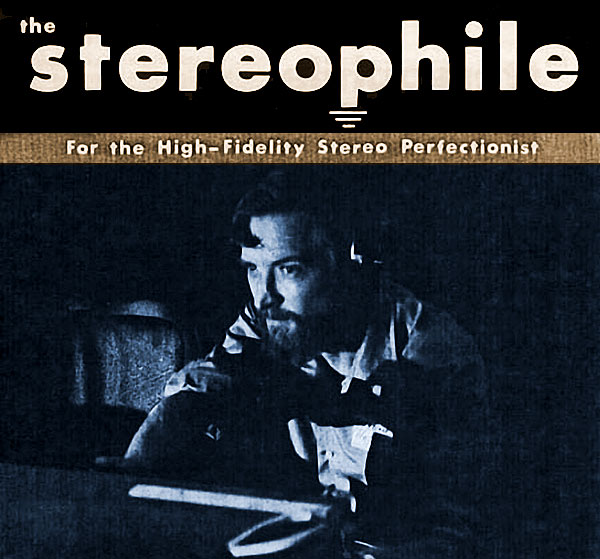
Fifty years ago this month, Vol.1 No.1, Issue No.1 of The Stereophile, published, edited, and mostly written by J. Gordon Holt out of Wallingford, Pennsylvania, hit the newsstands. Gordon had worked for two major audio magazines, High Fidelity and HiFi/Stereo Review (later renamed Stereo Review), and had been disgusted by those magazines' pandering to advertisers. Not only was The Stereophile going to tell it like it was, it was going to judge audio components by listening to them—a heretical idea in those days of meters and measurements. "Dammit," said Gordon, who died in 2009, "if nobody else will report what an audio component sounds like, I'll do it myself!"

Accuracy Is Not the Answer

Before 1982, when the Compact Disc arrived, I didn't love LPs. Analog was already very old tech, and while every trick in the book had been applied to turntables and LPs, they still wowed & fluttered at 33 1/3 revolutions per minute. Vinyl's deficiencies were legion: warped LPs were more common than truly flat ones; surface noise, clicks, and pops sang along with the tune; LPs rarely had perfectly centered spindle holes; inner-groove distortions popped up at inopportune moments; and each time an LP is played, its sound quality degrades, if only ever so slightly. The LP format? Imperfect sound forever.
Advertisement
Advertisement
Advertisement