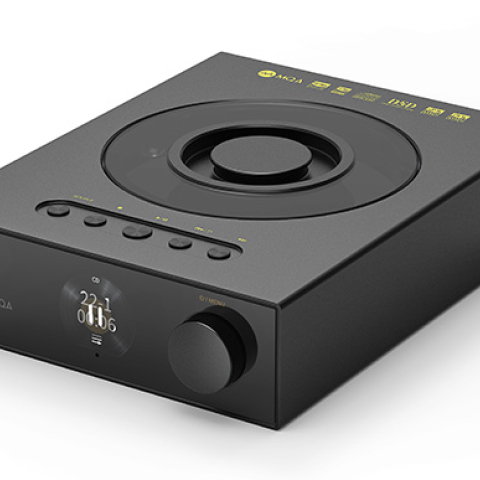
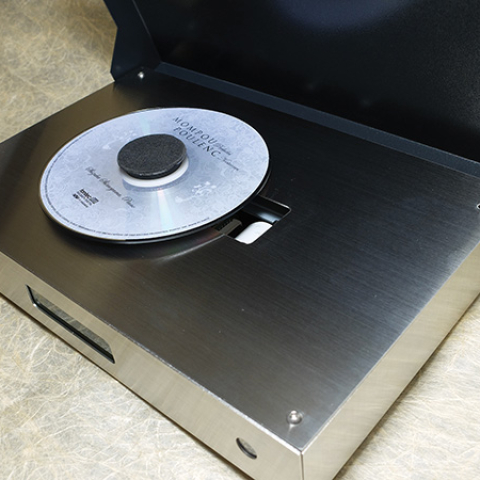
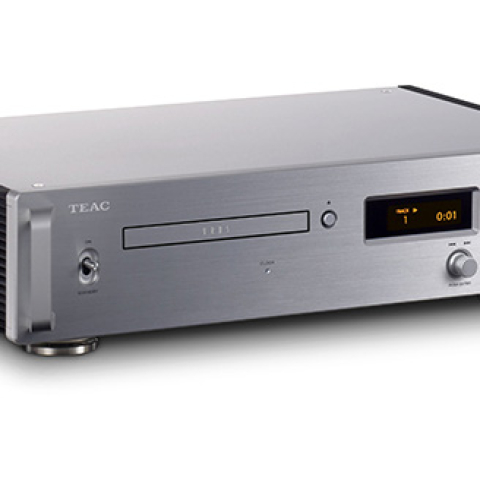
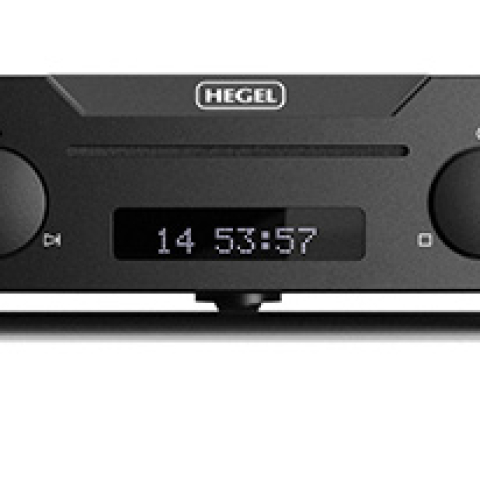
Walking through the circus that was WCES '95 was like undergoing total neural-synaptic overload. I felt hard-pressed to just keep my head above water separating good sound from bad. Trying to piece together a coherent picture of the show, I jotted down the components in the best systems that I'd heard, and a few items popped up with astonishing regularity. One of these was Audio Research's single-chassis CD player, the CD-1.

Well, I thought, ARC probably sent a lot of them out to exhibitors—after all, it's cheaper than separates. But then I started getting feedback from totally disinterested audio insiders, folks like Casey MacKee and John Hunter, that indicated that Audio Research had a winner on its hands, and an unsung one at that. What journalist could ever resist a scoop?
The CD-1 has been in near-constant use in my system since the day I received it. I've been extremely fortunate in having had very high-quality digital gear to play around with, and I have written about it enthusiastically, but I must tell you that of all the pieces I've had in the house so far, this is the one I turn to when I listen for pleasure.
How come? First, as RH has pointed out (in his review of the Krell KPS-20
i in Vol.18 No.4), a CD
player has the potential of providing superior quality compared to similarly priced separates because putting the CD transport and digital processor in the same box substantially reduces clock jitter. Most clock jitter is introduced by the interface between the transport and the processor; both S/PDIF and AES/EBU interfaces are inherently flawed transmitters of digital data.
Flawed? Well, let's just say that I never achieved equivalent sound quality when using the CD-1 as a transport feeding separate DACs,
even when cascading a Sonic Frontiers UltraJitterbug into an Audio Alchemy DTI•Pro 32 to clean up the signal! (Thanks to Bob Harley for pointing out the benefits of cascading. It really works.) Man, there's really something going on here.
Creating order out of chaos
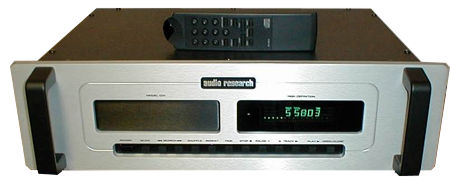
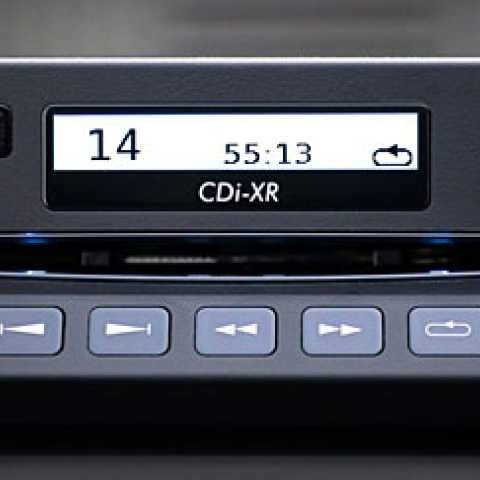
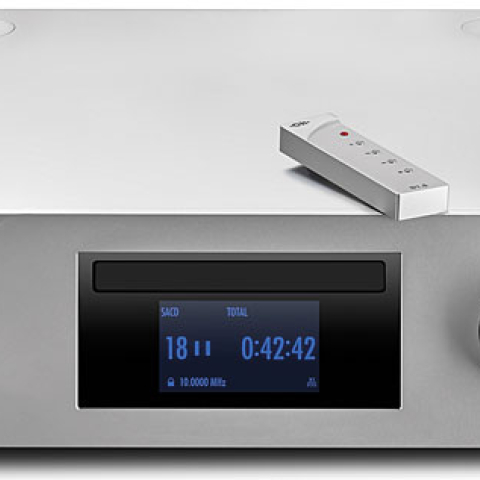
The CD-1 is built like a tank: it weighs 17 lbs and feels as durable as an anvil. Audio Research's heavy faceplate and massive handles serve to reinforce that effect. Though built upon a Philips chassis, the CD-1's source is essentially unrecognizable, ARC having extensively redesigned it. Rear-panel accommodations include a removable AC cord (unusual for an ARC product, but improving the power cable offered audible benefits), balanced and unbalanced analog outputs via XLR and RCA jacks respectively, ST-Standard optical, TosLink optical, RCA S/PDIF, and AES/EBU digital outputs.
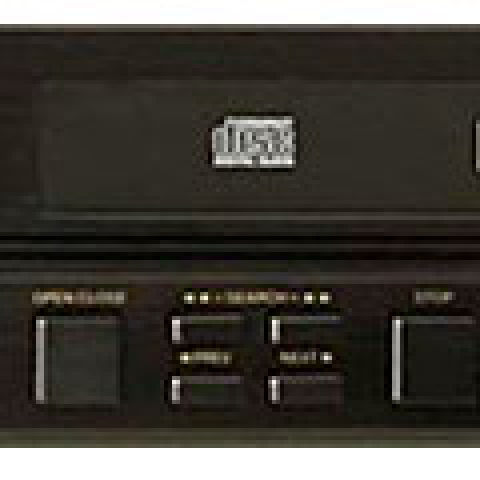
The front panel has two oblong cutouts; the one on the left houses the drawer mechanism, the one on the right the LED display. Under these cutouts, spanning 10", is a narrow slit with 13 soft-touch controls: Power, Scan,
>, Shuffle, Repeat, Time, Stop, Pause,