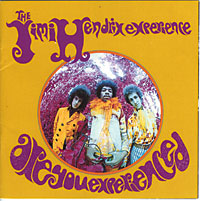
 6. Jimi Hendrix Experience: Are You Experienced?
 For further listening: Stevie Ray Vaughan: Texas Flood. B.B. King: Live in Cook County Jail. Bill Frisell: Have a Little Faith. Hendrix burst upon the psychedelic music scene in 1967, but he had served a long and difficult apprenticeship in the R&B clubs of the South. He was also an accomplished jazz player. The story is told that Les Paul walked into a club, heard Hendrix auditioning, was flabbergasted, but had to leave before Hendrix had finished playing. Assuming that Hendrix had been hired, Paul later asked the club owner when he would next be playing. The club owner said that Hendrix was too weird, and that he didn't have any contact information for him. Hendrix continued to live hand-to-mouth for a few more years. What might have been... Hendrix was as important a developmental influence on the guitar (and rock) as Louis Armstrong had been on the trumpet (and jazz). Love him or hate him, if you haven't heard these tracks, you are not culturally literate in American music. Stevie Ray Vaughan, B.B. King, and Bill Frisell each embody different strains of America's obsession with the gee-tar: King, the original bluesman; Vaughan, the resurgent blues; and Frisell, a kaleidoscope of Americana.
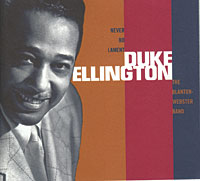 7. Duke Ellington: Never No Lament: The Blanton-Webster Band
For further listening: Glenn Miller: The Essential Glenn Miller. Harry Nilsson: A Little Touch of Schmilsson in the Night. Just as Louis Armstrong exemplified the volcanic force of improvisation in jazz, Ellington showed the power of meticulous planning, arranging, and concentrating on execution. The Blanton-Webster Band is so called because it featured bassist Jimmy Blanton and tenor-sax player Ben Webster; many view it as the best of Ellington's many lineups. Glenn Miller's work bridged the worlds of jazz and popular music; no one did more to make swing the predominant popular-music style of his era. Rocker Harry Nilsson proved himself a surprisingly apt interpreter of the Great American Songbook, covering everything from "Makin' Whoopee" to "As Time Goes By," in sessions with a full orchestra conducted by Gordon Jenkins.
 8. Bruce Springsteen: Born to Run
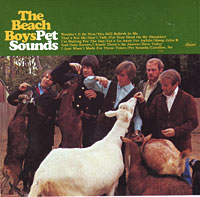
For further listening: Simon and Garfunkel: Bridge Over Troubled Water. Van Morrison: Moondance. Take equal parts Pet Sounds' narrative and West Side Story's local color, mix à la Phil Spector, and not-so-gently heat with the awareness that if this album does not succeed, your recording career is over. Doubters can point out Bruce Springsteen's huge debts to Bob Dylan and Van Morrison, that this music can be more than a little bombastic, or even that "timing is everything." Certainly the last bears thinking about. Born to Run hit at a time when rock had split into (weenie) soft rock on one side and (dead-end) heavy metal on the other. Springsteen reclaimed the vital center as a genuine rocker, but one who could write lyrics as sophisticated as any folkie's. Born to Run is a glorious achievement, even as it displays our national tendency toward occasional excess. "Bridge Over Troubled Water" is one of the top 20 most-recorded songs. Curiously enough, it is an outlier in Simon and Garfunkel's work, most of which called on Everly Brothers–style harmonies and bouncy, catchy melodies. Whatever. The song derives its power equally from being within the American song tradition that stretches back beyond Stephen Foster, and for its echoes of gospel style.
For further listening: Bartók: Concerto for Orchestra. Grofé: Grand Canyon Suite. Roy Harris' Third Symphony takes the cake, as far as I'm concerned, for the largest disparity between quality and popularity: It is the greatest piece of American music that hardly anyone (today) seems to know about. Just as being anthologized becomes a self-fulfilling cycle, falling off the radar screen makes it that much harder to rise again. Part of the reason must be that sections of the symphony are unusually demanding to play in terms of rhythm and ensemble, even for a top-tier orchestra. Clocking in at about 20 minutes, Harris' Symphony 3 is awesomely concise. Through-composed, it proceeds by organic rather than formal development. But enough of that—one listen to its first three minutes should hook you. There are a few worthwhile recordings available; Marin Alsop's on Naxos is particularly fine, and is bargain-priced. Go for it. Right now!
For further listening: Stevie Wonder: Innervisions or Talking Book [or Music of My Mind—Ed.].
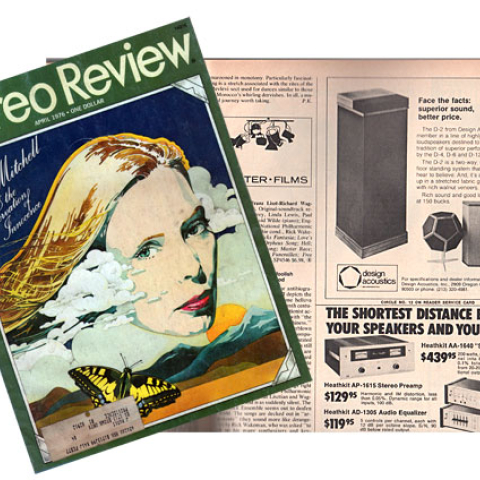
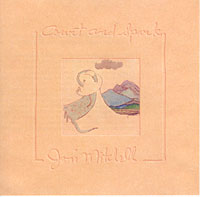 11. Joni Mitchell: Court and Spark
For further listening: Jennifer Warnes: Famous Blue Raincoat. Carole King: Tapestry. Joni Mitchell's Court and Spark is an artifact from the singer-songwriter era that has withstood the test of time much better than most such efforts. Part of its success is due to its canny amalgam of folk, rock, and studio jazz smarts. But what gives Court and Spark its staying power is the wry intelligence and cleverness of its lyrics, and its avoidance of self-deception or self-pity.
For further listening: Donald Fagen: The Nightfly. Under Aja's carefully burnished surface sheen are unusual depth, complexity, and ambiguity. By this time, Becker and Fagen had almost completely let go of the traditional four-beat, three-chord underpinnings of rock, considering them too limiting. They grafted the solo and improvisational aesthetic of jazz on catchy pop melodies and arrestingly atmospheric, often melancholy lyrics. The contributions of former Miles Davis colleague Wayne Shorter are decisive. A magnificent achievement. Problem is, Aja proved an almost impossible act to follow, even for Becker and Fagen, let alone anyone else.
What, no Dylan? No Woody Guthrie? No Weavers? No Leonard Bernstein? No Copland? Um, right on all counts. Had my list been 25 works or recordings, I'm sure that some of those would have fit in, as prime recommendations or for further listening. No Nirvana? No Van Halen? No Sinatra? Um, sorry. That was my list. Send in yours! Send lists to www.stereophile.com with the subject line "Cultural Literacy."