 Listening
Prior to installing the Nu-Vista 800.2, I had been using the Audio Research I/50 I reviewed in the September 2023 issue. I wrote in that review that this tubed integrated "has a touch of that 'tube magic' but without going whole hog, as so many of the current crop of tubed amplifiers do." But with the I/50 driving the Monitor Audios, on tracks like Taylor Swift's "All Too Well (Taylor's Version)," from the album Red (24/96 FLAC, Big Machine Records/Qobuz), the low bass was overpowering. It turned out that the Platinum 300 3G's port tuning frequency coincided with that of the lowest-frequency mode in my room, and the I/50 couldn't hold on to the speaker in that region. Monitor Audio supplies foam plugs to block one or both of the speakers' two reflex ports, and I ended up with just one port open on each speaker. The low bass still sounded magnificent, but it was now in better balance with the rest of the spectrum. The first track I played with the Nu-Vista 800.2 was "All Too Well (Taylor's Version)." What? Compared with the Audio Research amplifier, the Musical Fidelity exerted such tight control over the Monitor Audios' woofers that with half the speakers' ports blocked, the lowest frequencies sounded shelved down. I removed the foam plugs—doing so restored the low-bass balance. When Anthony Jackson drops down to his low B string as Paul Simon sings "Negotiations and love songs are often mistaken for one and the same," in "Train in the Distance" from Hearts and Bones (ALAC file ripped from CD, Warner Bros.), his bass guitar had an optimal combination of weight and articulation. The same was true for the twangier-sounding bass guitar on Mary Chapin Carpenter's live recording of "Stones in the Road," from Party Doll and Other Favorites (24/96 FLAC, Columbia/Qobuz).
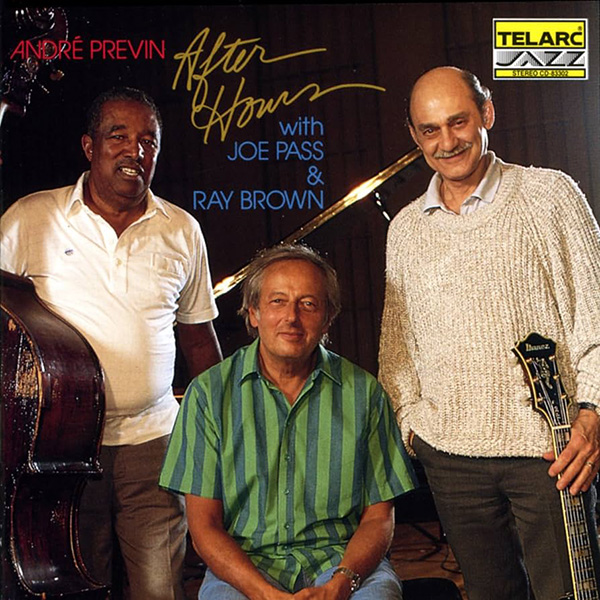 The Musical Fidelity's tight low-frequency control never led to the sound becoming too lean, even with light-balanced albums like the Keith Jarrett Trio's Standards, Vol.1 (16/44.1 FLAC ECM/Tidal). Keith Jarrett's banshee-esque vocalizing on "All the Things You Are," however, was more noticeable than it had been with the Audio Research amplifier. Roon Radio followed the Jarrett Trio with a very different treatment of this Jerome Kern standard, with Andre Previn on piano accompanied by Ray Brown on double bass and Joe Pass on guitar (16/44.1 FLAC, Telarc/Tidal). The soundstage on this laidback performance, captured by the late Jack Renner, was presented clearly, with just enough studio ambience to envelop me in the music. And again, the bass of the Musical Fidelity/Monitor Audio combo had the optimal combination of weight and articulation.
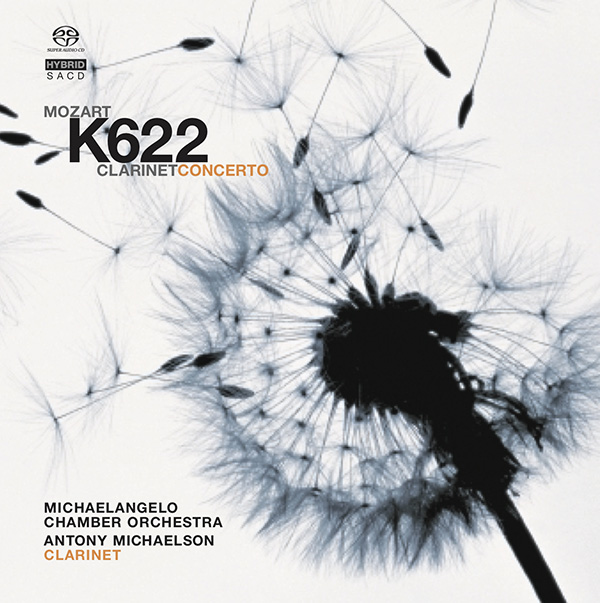 I hadn't yet played any of my own recordings, which should allow me to answer that question, so I cued up Mozart's Clarinet Concerto, K.622, performed by Antony Michaelson himself in London's Henry Wood Hall in 2003 (16/44.1 ALAC file, Musical Fidelity Recordings). I didn't engineer this recording—the sound was captured by the inestimable Tony Faulkner—but I was the producer. As I wrote in the Stereophile article on making this album, the occasion was stressful. It's difficult enough for a critic to be right, even with the benefit of hindsight the writing process affords. To be right in real time, with a conductor, a soloist, an engineer, and 30 of London's leading classical musicians, all of whom have forgotten more about music than I ever learned, all waiting for my critical voice to emerge from the talkback speaker, is a good definition of stress overload.
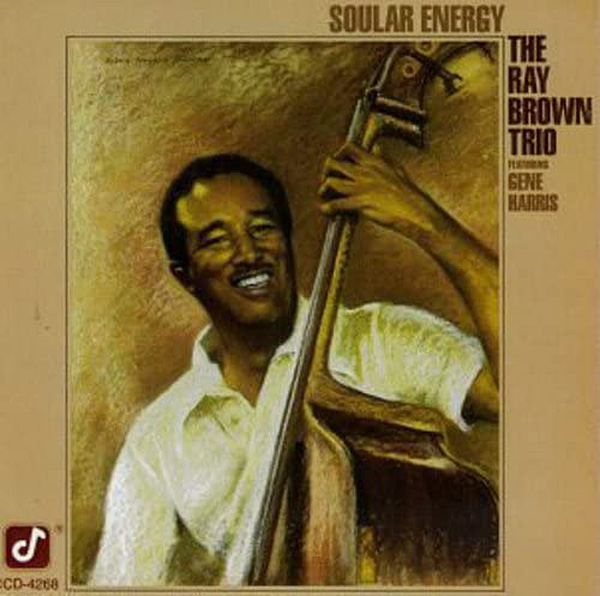 The Monitor Audio speakers had been returned to the distributor when I sat down to write this review, so, as I stared at the screen waiting for the words to emerge, I played the Ray Brown Trio's Soular Energy (Concord Jazz) with the Nu-Vista 800.2 driving the KEFs. I have two versions of this natural-sounding album on my Nucleus+'s internal storage: one in DSD64, the other PCM at 24/192. With either, Brown's double bass had an excellent sense of drive—of, as the late Art Dudley would have put it, "force." The highs were clean and smooth, though with the Musical Fidelity's transparency, I could readily hear that the top octaves of Gene Harris's piano sounded a touch smoother in DSD than the PCM version.
Conclusion
The Monitor Audio speakers had been returned to the distributor when I sat down to write this review, so, as I stared at the screen waiting for the words to emerge, I played the Ray Brown Trio's Soular Energy (Concord Jazz) with the Nu-Vista 800.2 driving the KEFs. I have two versions of this natural-sounding album on my Nucleus+'s internal storage: one in DSD64, the other PCM at 24/192. With either, Brown's double bass had an excellent sense of drive—of, as the late Art Dudley would have put it, "force." The highs were clean and smooth, though with the Musical Fidelity's transparency, I could readily hear that the top octaves of Gene Harris's piano sounded a touch smoother in DSD than the PCM version.
ConclusionThis was a difficult review to write given that, like other 21st century solid state amplifiers that offer superbly low distortion and noise, the Musical Fidelity Nu-Vista 800.2 didn't have a readily discernible sonic character. Yes, Michael Fremer did write in his review of the original 800 amplifier that "There's no mistaking the velvety, delicate sound of a nuvistor front end," and I did indeed find the 800.2 easy on the ears. But Michael also wrote that while "CDs with a touch of hard edge and brightness were suitably softened and corrected, those that were hopelessly hard and bright remained so."
Footnote 3: I had previously recorded Antony Michaelson performing the Brahms and Mozart Clarinet Quintets.