

The presentation had less of a sense of scale than it did with the massively powerful Parasounds, but the Attessa kept tight control over the Mission's reflex-loaded woofers. I had concluded my review of the Mission 770 by writing, "I kept returning to that warm, detailed, and musically involving midrange." From the first movement's opening motif on the French horn onward, the Roksan-driven Missions did indeed sound warm, detailed, and musically involving.
The Mission speakers had to be returned a few days after I played the Brahms concerto, so I replaced them with my KEF LS50s. The stereo imaging was precisely defined, the soundstage well-developed, the midrange still uncolored and involving. But that tight control exerted by the Roksan amplifier on the KEFs' woofers meant that the sound lacked lower-frequency bloom. I replaced the LS50s with the GoldenEar BRX standmounts I reviewed in September 2020.
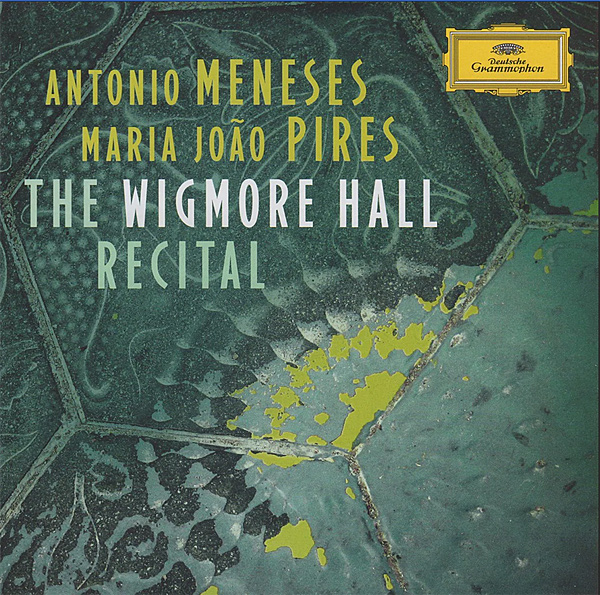 I again cued up the Brahms concerto and was again impressed by the warm orchestral balance and the clarity and control of the piano's lower register, which now had sufficient bloom. I followed the Vogt with a recording that featured another favorite pianist, Maria João Pires, also performing Brahms: the three Op.117 Intermezzi (from The Wigmore Hall Recital, CD, DG 479 0965). With the CD playing on the Ayre player and the S/PDIF data transmitted to the Attessa by coax, Ms. Pires's Yamaha grand piano sounded warm and detailed on these delicate pieces, with sufficient weight to the instrument's left-hand register. I then played the Brahms Intermezzi with the Ayre sending the analog signal to the Roksan's line input. A little more of Wigmore Hall's subtle ambience was evident than with the Attessa's own D/A stage, but the difference was not as pronounced as I had been expecting, given my high regard for the Ayre's D/A conversion.
I don't have the Pires album on my network storage, but staying with Brahms, I used BluOS to play a performance by Robert Silverman of the six Moments Musicaux, which I had recorded live in 1993 (16/44.1 ALAC, from Concert, Stereophile STPH005-2). A different pianist in a different performing space with a different piano—a Steinway D instead of a Yamaha—but if I had to swear on a copy of the very first issue of Stereophile, I would say that the BluOS presentation was a touch more palpable than it had been with Ms. Pires's Brahms played back with the Attessa decoding the S/PDIF data.
I again cued up the Brahms concerto and was again impressed by the warm orchestral balance and the clarity and control of the piano's lower register, which now had sufficient bloom. I followed the Vogt with a recording that featured another favorite pianist, Maria João Pires, also performing Brahms: the three Op.117 Intermezzi (from The Wigmore Hall Recital, CD, DG 479 0965). With the CD playing on the Ayre player and the S/PDIF data transmitted to the Attessa by coax, Ms. Pires's Yamaha grand piano sounded warm and detailed on these delicate pieces, with sufficient weight to the instrument's left-hand register. I then played the Brahms Intermezzi with the Ayre sending the analog signal to the Roksan's line input. A little more of Wigmore Hall's subtle ambience was evident than with the Attessa's own D/A stage, but the difference was not as pronounced as I had been expecting, given my high regard for the Ayre's D/A conversion.
I don't have the Pires album on my network storage, but staying with Brahms, I used BluOS to play a performance by Robert Silverman of the six Moments Musicaux, which I had recorded live in 1993 (16/44.1 ALAC, from Concert, Stereophile STPH005-2). A different pianist in a different performing space with a different piano—a Steinway D instead of a Yamaha—but if I had to swear on a copy of the very first issue of Stereophile, I would say that the BluOS presentation was a touch more palpable than it had been with Ms. Pires's Brahms played back with the Attessa decoding the S/PDIF data.
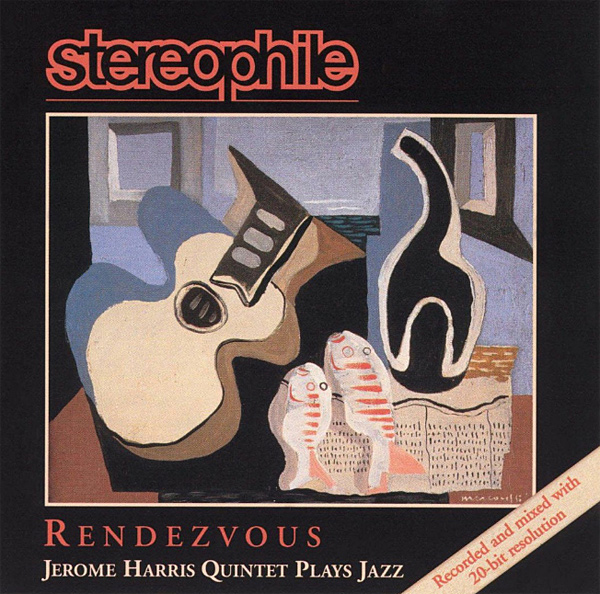 The decider was when I compared the S/PDIF and network versions of the Jerome Harris Quintet performing Duke Ellington's "The Mooche," from Rendezvous (CD, Stereophile STPH013-2, footnote 1). There was a better sense of palpability to the 16/44.1 WAV file streamed from BluOS, and Harris's soft-toned acoustic bass guitar acquired greater subjective low-frequency extension than with S/ PDIF.
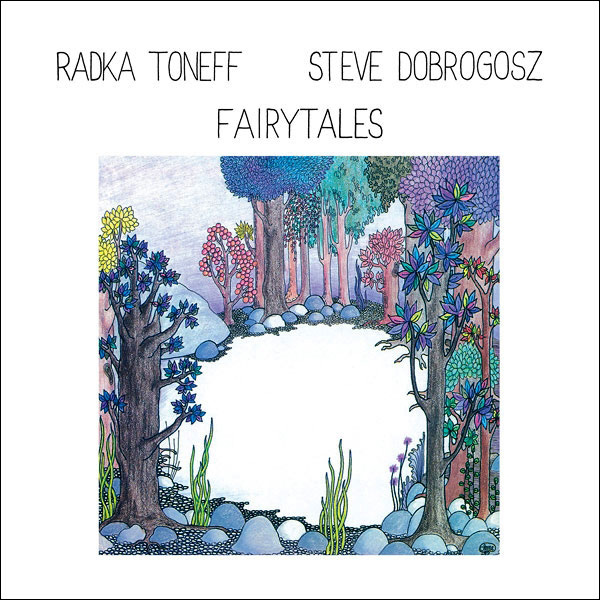 How about MQA playback? I selected "Nature Boy" from the 2018 Original Master Edition reissue of Radka Toneff's Fairytales (24/192 MQA, Odin CD9561), our Recording of the Month for April 2018. I pressed the BluOS app's Play button and an MQA icon briefly lit up to the left of the BluOS icon on the Attessa's front panel. Pianist Steve Dobrogosz's familiar falling-fifth motif at the beginning of the track on the piano sounded as captivating as I was expecting, as did his sparsely scored solo. As did Toneff's hauntingly beautiful vocal.
Time to try some DSD-encoded tracks. I installed the BluOS app on my Mac mini and followed the instructions to enable DSD playback. However, a note appeared saying "your DSD collection will be converted to 24-bit FLAC files" and asking where I would like to store those files. I declined. That was it for DSD.
I auditioned the Attessa's headphone output with both my low-sensitivity, high-impedance Sennheiser HD 650s and my high-sensitivity, low-impedance Audeze LCD-Xes. It was difficult to match levels precisely because when you plug the headphones into the Roksan's front-panel jack or remove them, the volume resets to a low level. Even so, the sonic character with both headphones was very similar to what I had experienced with loudspeakers: natural-sounding midrange and highs and an excellent sense of drive in the bass.
Comparing
How about MQA playback? I selected "Nature Boy" from the 2018 Original Master Edition reissue of Radka Toneff's Fairytales (24/192 MQA, Odin CD9561), our Recording of the Month for April 2018. I pressed the BluOS app's Play button and an MQA icon briefly lit up to the left of the BluOS icon on the Attessa's front panel. Pianist Steve Dobrogosz's familiar falling-fifth motif at the beginning of the track on the piano sounded as captivating as I was expecting, as did his sparsely scored solo. As did Toneff's hauntingly beautiful vocal.
Time to try some DSD-encoded tracks. I installed the BluOS app on my Mac mini and followed the instructions to enable DSD playback. However, a note appeared saying "your DSD collection will be converted to 24-bit FLAC files" and asking where I would like to store those files. I declined. That was it for DSD.
I auditioned the Attessa's headphone output with both my low-sensitivity, high-impedance Sennheiser HD 650s and my high-sensitivity, low-impedance Audeze LCD-Xes. It was difficult to match levels precisely because when you plug the headphones into the Roksan's front-panel jack or remove them, the volume resets to a low level. Even so, the sonic character with both headphones was very similar to what I had experienced with loudspeakers: natural-sounding midrange and highs and an excellent sense of drive in the bass.
Comparing
The obvious comparison is with the similar-priced NAD M10 ($2999 vs $3399), which, like the Roksan, is manufactured in China. While not as versatile as the Attessa—the M10 lacks a phono input or headphone output, though it does have an HDMI ARC input, which the Roksan doesn't have—the NAD can be controlled by both BluOS and Roon, it features a large four-color TFT touchscreen on its front panel, and it incorporates Direct Live LE low-frequency room equalization.
 Driving either the KEF or GoldenEar speakers with Dirac deactivated, the class-D M10 lacked the class-AB Attessa's low-frequency drive. The two amplifiers' midrange tonalities were similar, but the M10's highs sounded softer. If I had to choose, I would go with the NAD because its Dirac Live EQ works so well at optimizing the in-room balance of my KEF LS50s. But with speakers offering more extended low frequencies, like the Mission 770s that I first used with the Attessa, it's more of an equal match between the two amplifiers.
Summing up
Driving either the KEF or GoldenEar speakers with Dirac deactivated, the class-D M10 lacked the class-AB Attessa's low-frequency drive. The two amplifiers' midrange tonalities were similar, but the M10's highs sounded softer. If I had to choose, I would go with the NAD because its Dirac Live EQ works so well at optimizing the in-room balance of my KEF LS50s. But with speakers offering more extended low frequencies, like the Mission 770s that I first used with the Attessa, it's more of an equal match between the two amplifiers.
Summing up
I enjoyed using the Attessa during the month it replaced the high-priced separates in my listening room. Faults? I would have liked some sort of display, to reassure this paranoid listener that the Attessa was correctly decoding the digital data sent to it. (The measured performance revealed that it did indeed do so.) However, with its neutral sound character with both analog and digital input signals, its excellent sense of drive and low-frequency control, its high-performance moving magnet phono stage—that based on measurements—its well-implemented integration with the BluOS streaming app, and its affordable price, the Roksan Attessa gets an easy recommendation from me.
Footnote 1: The CD is out of print but the album in download form can be streamed or purchased here.
I again cued up the Brahms concerto and was again impressed by the warm orchestral balance and the clarity and control of the piano's lower register, which now had sufficient bloom. I followed the Vogt with a recording that featured another favorite pianist, Maria João Pires, also performing Brahms: the three Op.117 Intermezzi (from The Wigmore Hall Recital, CD, DG 479 0965). With the CD playing on the Ayre player and the S/PDIF data transmitted to the Attessa by coax, Ms. Pires's Yamaha grand piano sounded warm and detailed on these delicate pieces, with sufficient weight to the instrument's left-hand register. I then played the Brahms Intermezzi with the Ayre sending the analog signal to the Roksan's line input. A little more of Wigmore Hall's subtle ambience was evident than with the Attessa's own D/A stage, but the difference was not as pronounced as I had been expecting, given my high regard for the Ayre's D/A conversion.
The decider was when I compared the S/PDIF and network versions of the Jerome Harris Quintet performing Duke Ellington's "The Mooche," from Rendezvous (CD, Stereophile STPH013-2, footnote 1). There was a better sense of palpability to the 16/44.1 WAV file streamed from BluOS, and Harris's soft-toned acoustic bass guitar acquired greater subjective low-frequency extension than with S/ PDIF.
How about MQA playback? I selected "Nature Boy" from the 2018 Original Master Edition reissue of Radka Toneff's Fairytales (24/192 MQA, Odin CD9561), our Recording of the Month for April 2018. I pressed the BluOS app's Play button and an MQA icon briefly lit up to the left of the BluOS icon on the Attessa's front panel. Pianist Steve Dobrogosz's familiar falling-fifth motif at the beginning of the track on the piano sounded as captivating as I was expecting, as did his sparsely scored solo. As did Toneff's hauntingly beautiful vocal.
The obvious comparison is with the similar-priced NAD M10 ($2999 vs $3399), which, like the Roksan, is manufactured in China. While not as versatile as the Attessa—the M10 lacks a phono input or headphone output, though it does have an HDMI ARC input, which the Roksan doesn't have—the NAD can be controlled by both BluOS and Roon, it features a large four-color TFT touchscreen on its front panel, and it incorporates Direct Live LE low-frequency room equalization.
Driving either the KEF or GoldenEar speakers with Dirac deactivated, the class-D M10 lacked the class-AB Attessa's low-frequency drive. The two amplifiers' midrange tonalities were similar, but the M10's highs sounded softer. If I had to choose, I would go with the NAD because its Dirac Live EQ works so well at optimizing the in-room balance of my KEF LS50s. But with speakers offering more extended low frequencies, like the Mission 770s that I first used with the Attessa, it's more of an equal match between the two amplifiers.
Summing upI enjoyed using the Attessa during the month it replaced the high-priced separates in my listening room. Faults? I would have liked some sort of display, to reassure this paranoid listener that the Attessa was correctly decoding the digital data sent to it. (The measured performance revealed that it did indeed do so.) However, with its neutral sound character with both analog and digital input signals, its excellent sense of drive and low-frequency control, its high-performance moving magnet phono stage—that based on measurements—its well-implemented integration with the BluOS streaming app, and its affordable price, the Roksan Attessa gets an easy recommendation from me.
Footnote 1: The CD is out of print but the album in download form can be streamed or purchased here.















