

Observations and Prognostications for 1965
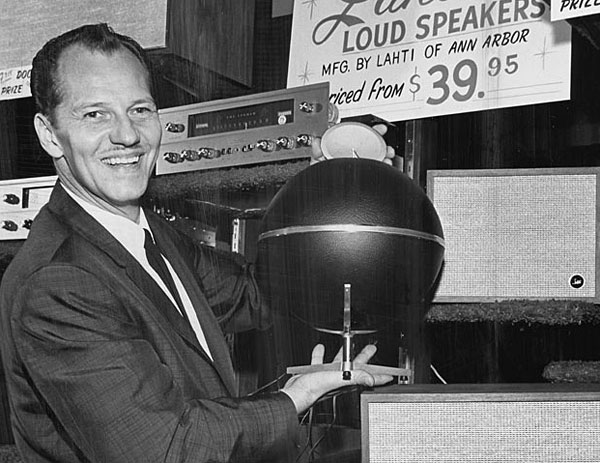
Well, the New York Hi-Fi wingding has come and gone once again, and now is the time when audio editors dutifully adopt the role of oracle, divining the future of high fidelity, and generally sketching out The Big Picture for those of us too blind to see the graffiti on the wall. So, who are we to shirk our duty? Herewith, The Stereophile's audio observations and predictions for 1965.
Occupy Avery Fisher Hall
Stop me if you've heard this: On January 10, at Avery Fisher Hall in New York's Lincoln Center, a performance of Mahler's Symphony 9, led by conductor Alan Gilbert, was stopped in its tracks by the ringing of an iPhone.
It wasn't just any part of the Mahler Ninth: It happened during the exceedingly quiet closing measures of the final movement.
It wasn't just any symphony orchestra: It was the New York Philharmonic, which Gustav Mahler directed during the last two years of his life.
Of Gravity, Clocks, and Audio Dragons
John Atkinson examines the role of myth and magic in high-end audio.
Old Wine, New Bottles
These days, too many audio stores are like hushed mausoleums. Audio gear is displayed like dead art, and the sales staff, unless you're known as a regular customer, either greets you with a predatory gleam or, certain that you've wandered in by mistake, ignores you.
On Assessing Sonic Illusions
Recently, I found myself in an email conversation with two colleagues on the nature of reproduced audio. How should we think about it? The conversation was provoked by a "hybrid" (live and online) presentation of the Pacific Northwest section of the Audio Engineering Society called "What Does 'Accurate' Even Mean?" The presenter was James D. "JJ" Johnston, a distinguished researcher in the field of perceptual audio coding and a co-inventor of MP3.
Among many other honors, Johnston was selected to present the Richard Heyser Memorial Lecture at the 2012 AES conventionan honor shared by our own John Atkinson, who had given that lecture the previous year and was one of the participants in this email conversation. The other was Tom Fineso, it was me and two sound engineers.
On Genre
"There are simply two kinds of music, good music and the other kind . . . the only yardstick by which the result should be judged is simply that of how it sounds."Duke Ellington
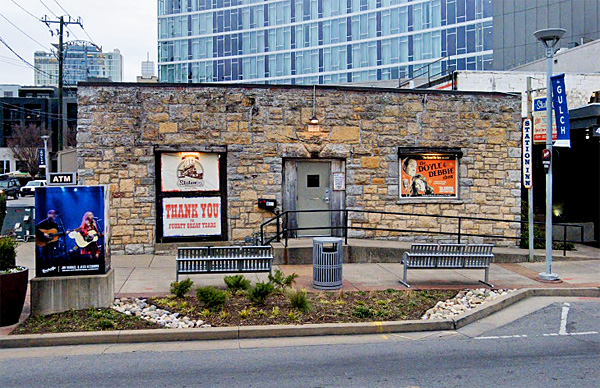
Before I became Stereophile's editorwhen I still had time for such thingsI would occasionally pack up a camera and some lenses, get in my truck, and drive, usually south, in pursuit of good images and sounds. I'd spend a couple of weeks on the road, stopping to take pictures whenever I came across a picturesque town or valley or an abandoned drive-in theater. I'd try to end the day in some city or town that was likely to have live music. A couple of times on every trip, I'd find myself approaching an especially musical place: Clarksdale. Memphis. New Orleans.
On live music
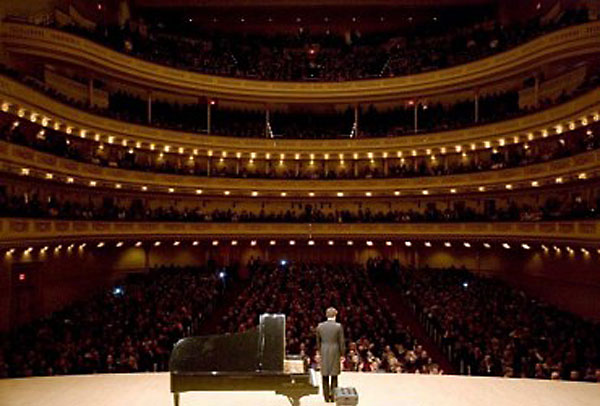
There's a notion among audiophiles that we must be regular consumers of live music, especially live acoustic music. It's the only way, the thinking goes, to calibrate our ears to the sound we should all be aspiring to at home.
On Value
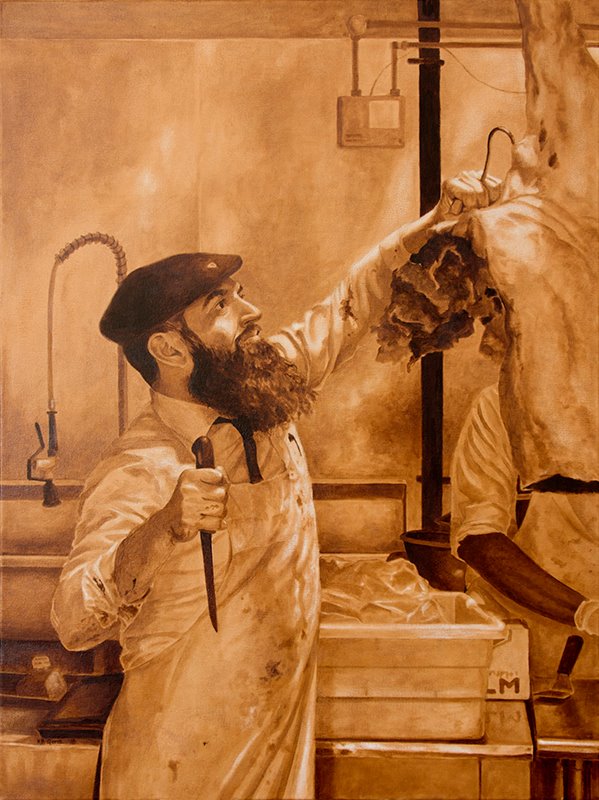
Not long after I moved to New York City, in anticipation of some summer-holiday meal, I went out into the city searching for lambchops. The closest butcher shop I found, Harlem Shambles (thank you, Google Maps), was at roughly my latitude but across Morningside Park in a gentrified section of Harlem. I walked over and entered a large area occupied by a refrigerated glass case of the sort common in butcher shops. The case, though, was nearly emptyjust a few cuts of meat, filling perhaps 5% of the available space. Adding to the vibe of neglect was that none of the half-dozen or so skinny young men with spiffy hats and immaculate facial hair (no hairnets on the beards) were greeting customersor customer, since I was the only one.
One Small Step...
Screeeeeeech, thump, thump, vroooooom...
Outrageous Price?
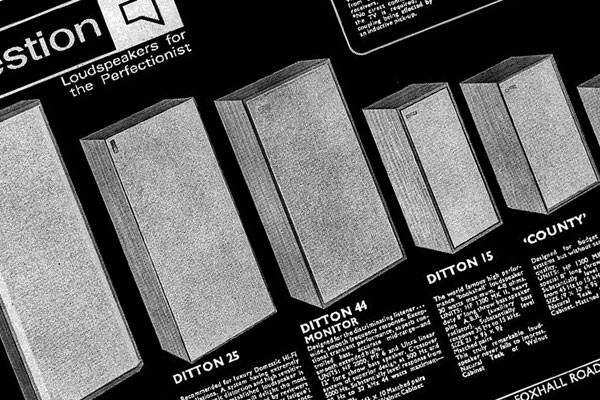
Editor's Note: Approaching its ninth year of publication in 1970, the advertisement-free Stereophile was failing as a business. There was just one issue published between December 1968 and June 1970, the date when J. Gordon Holt published this plea in response to the reaction to the increased subscription price: first to $4 for four issues, equivalent to $25 in 2016, then to $5 ($31). The response from subscribers to his plea was not positive enough to enable the magazine to continue publishingGordon could publish just two more issues in the next two years before Stereophile had to accept advertising, first from dealers in October 1972 and from manufacturers in December 1977.Ed.
Our recent price increase at the end of 1969 elicited numerous letters telling us the magazine was exhorbitant at $4 a subscription and is outrageous at $5, and supporting their contention with comparisons between the price per page of the Stereophile and one or another of the commercial hi-fi magazines. We will answer this once, here and now, and then let the matter drop.