

Sennheiser HD569 Around Ear Sealed Headphones

This story originally appeared at InnerFidelity.comSennheiser has been "remastering" their line-up for the past little while and I've been itching to get a little ear time on some of the more affordable models. In a marvelous turn of events, they sent me a couple of boxes filled with headphones for me to measure, evaluate, and cherry pick for for good values. Here's the first one...
Sennheiser HD800 headphones
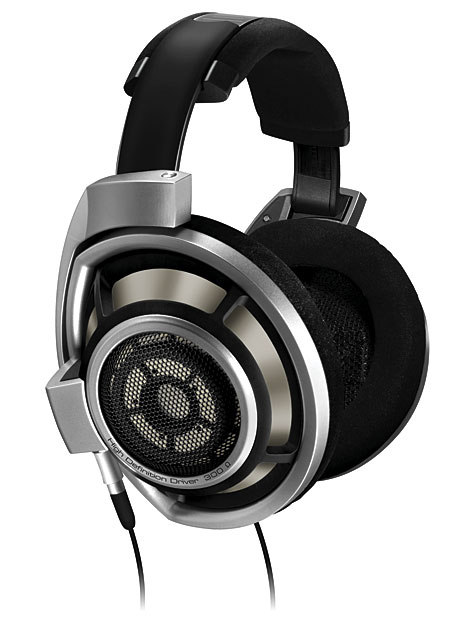
Sennheiser's long-awaited (seven years) HD800 sure isn't subtle—at least, not in appearance. The HD800's large earpieces are made from a combination of absorbing composites and functional metal accents, and are huge. Of course, they have to be to house the 56mm ring-radiator transducers—and to mount them so they're firing "back" to your ears from the front. Also not subtle is the price: $1399.95.
Sennheiser HDC 451 Noiseguard headphones

I was cruising at 36,000 feet, totally relaxed, listening to Richard Thompson. Looking down at my lap, I caught sight of a little box with a glowing green light. Switching off this light was like turning on the noise—the 767 was roaring like a locomotive and the ambient sound hit me like a fist. Thompson's crisp Celtic chordings turned mushy, undetailed, and dull. I felt weary. Whoa, I wouldn't do that again if I were you, laddie! I fumbled for the switch and reactivated the NoiseGuard circuitry on my Sennheiser HDC 451 noise-canceling headsets. Thompson's guitar rang out clearly, the airplane quieted to sound like an S-class Benz, and I relaxed into a calm reverie with only one worry clouding my contentment. But I patted my pocket: yup, still two cognacs left. Everything would be all right.
Sennheiser HE 60 headphones
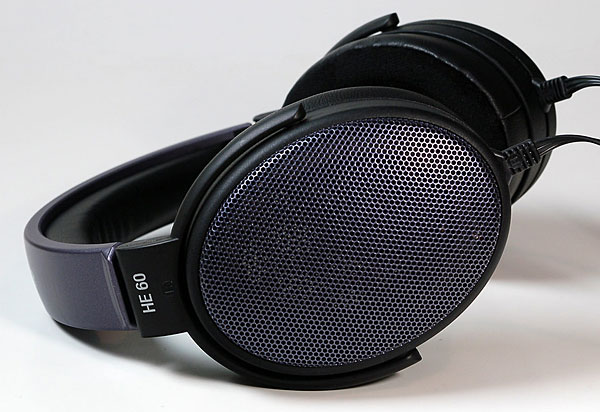
In February 1994, when I reviewed the pricey ($12,900 with amplifier) Sennheiser Orpheus headphone systemHE 90 headphones and HEV 90 D/A processor/amplifierI commented that the company had a similar, but less expensive, alternative available: the HE 60 headphones combined with the HEV 70 amplifier. At the headphone end, the HE 60s aren't so different from the HE 90s furnished with the Orpheus system. Both are extremely lightweight and supremely comfortableeven for long listening sessions (I logged up to four hours without a break on the HE 60s). In fact, the less-expensive HE 60s are about 100gm4 ounceslighter than the HE 90s.
Sennheiser Noise Canceling Headphones: PXC 550 Wireless; HD 4.5 BTNC; HD1 Wireless; and HD1 On-Ear Wireless

This story originally appeared at InnerFidelity.comAbout this time last year I reviewed the then new Sennheiser PXC 550 BTNC over-ear, noise canceling headphones in hopes that someone would manage to unseat the Bose Quiet Comfort 35. Didn't happen. The Sennheiser had some great features, but in the end it was just too bright for me.
Recently I got a few more Sennheiser wireless noise cancelers and I found they too seemed overly bright. Now I consider Sennheiser the world's best headphone manufacturer. They've got a lot of experience under their belt, so when I hear a batch of Sennheisers, from differing product lines, that all seem too bright and have a quite similar measured response, I've got to question myself. Maybe they know something that I don't.
Sennheiser Orpheus HE 90 headphones

While headphone listening remains secondary to that of loudspeakers for most serious listeners, it's still an important alternative for many. And while good conventional headphones exist, electrostatics are usually considered first when the highest playback quality is required. As always, there are exceptions (Grado's headphones come immediately to mind), but most high-end headphones are electrostatic—such designs offer the benefits of electrostatic loudspeakers without their dynamic limitations. Last">http://www.stereophile.com/headphones/koss_esp950_electrostatic_stereop… year I reviewed the Koss ESP/950 electrostatics (Vol.15 No.12), a remarkable set of headphones from the company that practically invented headphones for serious home listening. Here I listen to examples from two other companies, each known for its headphones since Pluto was a pup.
Sennheiser PX 200-II Headphone and PX 200-IIi Headset

This story originally appeared at InnerFidelity.comThe Sennheiser PX 200-IIi (MSRP $149.95) is a general-purpose headset, ideally suited and convenient for kids, students, and casual home, office, and travel use. It’s light and small, very well built, and will easily survive unending rounds between backpack, computer desk, and kitchen junk drawer. Best of all, it packs neatly into a very small size with a unique folding design making it only slightly larger than a pair of sunglasses when stowed.
Sennheiser PXC 550 Noise Canceling Bluetooth Headphones

This story originally appeared at InnerFidelity.com
Shots fired!
Sennheiser's new PXC 550 ($399) Bluetooth noise canceling headphone is a direct shot across the bow of Bose's battleship Quiet Comfort 35 ($349) dominance of noise canceling headphones, which I reviewed very positively. Not only do Bose own a big chunk of that market, they consistently, in my opinion, have the best isolation and sound quality performance. Let's see if Sennheiser can put a dent in that armored hull.
Shakin' it with the Subpac S2 Headphone Subwoofer
This story originally appeared at InnerFidelity.com
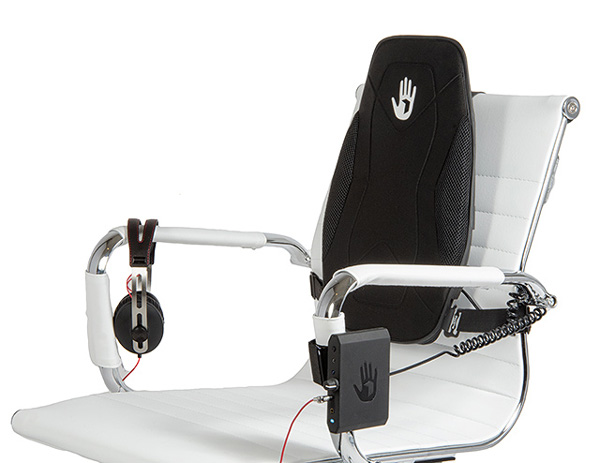
Over the years I've tried a number of headphone subwoofer gadgets. Most didn't work well at all. The Subpac S2 is a whole 'nother story.
Shure Bluetooth 5.0 Earphone Communication Cable

It used to be on my commute that I'd see my fellow subway riders listening to music on their iPods with headphones from Beats, Bose, Sennheiser, Sonyand even, occasionally, from Grado. These days, however, iPhones and Android smartphones are ubiquitous, and while I still sometimes see a pair of Beats, many travelers now wear Bluetooth-connected Apple AirPods. I haven't bought a pair of AirPods, so I don't know how they sound, but at $159, I suspect they don't compete with "legitimate" headphones. Even so, I wondered if convenience trumps sound quality when it comes to listening on the move.