

Sonny, Yes
About a month ago, I lamentedhttp://blog.stereophile.com/fredkaplan/0312jazz/">lamented; that Sonny Rollins, the greatest living tenor saxophone player, had decided not to put out a CD of his Carnegie Hall concert of last year with Roy Haynes and Christian McBride. Rollins was dissatisfied with his playing and so he canceled his release-plans.
Stacey Kent—Who Knew?
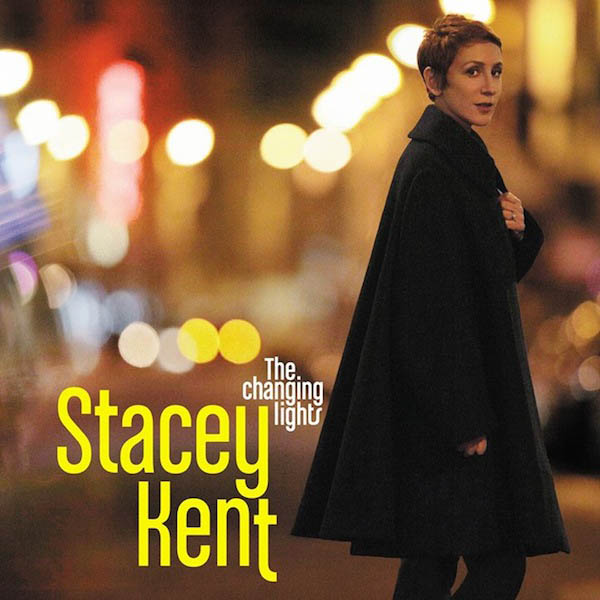
I guess I'm going to have to start listening to Stacey Kent. At her early set at Birdland in midtown Manhattan Wednesday night, I sat down a skeptic and came away charmed.
Stan Getz & Kenny Barron
A trend of sorts has taken hold the past few years: albums (in most cases, multi-disc boxed sets) capturing not just the highlights of a jazz concert but the whole concert—or a whole week’s worth of concerts, the entire run of a gig at a nightclub—every note of it.
Steve Coleman and the Five Elements

Alto saxophonist Steve Coleman's new CD, Functional Arrhythmias (Pi Recordings), is his best in many years.
Steve Coleman, Morphogenesis
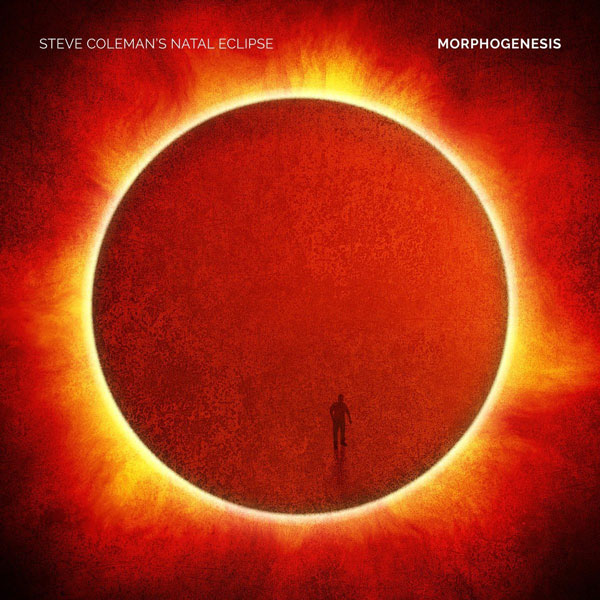
Steve Coleman, 61, is one of the most creative alto saxophonists, conceptualists, composers, and bandleadersand certainly the most influential of all those identitiesin jazz today. His latest album, Morphogenesis (on the Pi Recordings label), doesn't quite equal his last twohis breakthrough, Functional Arrhythmia (2013), or his masterpiece, Synovial Joints (2015)but it's a rouser by any measure: on close listening, a heady sweat-drencher.
Steve Coleman, Synovial Joints
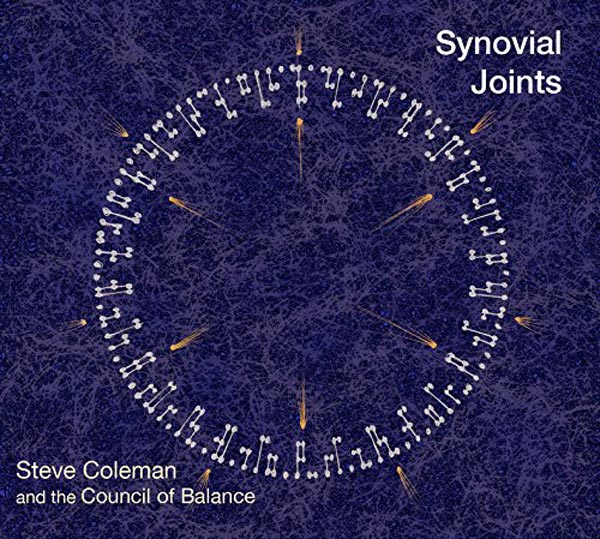
Two years ago, I hailed Steve Coleman’s Functional Arrhythmias as a career breakthrough. His new CD, Synovial Joints (on the Pi Recordings label), is his masterpiecea thrilling kaleidoscope, densely polyrhythmic, but also brisk and airy: music for serious listening as well as dancing in your head and on your feet.
Steve Davis Quintet, Live at Smalls
Smalls is, well, a small jazz club in New York City’s West Village and, while far from the most comfortable establishment in town, it’s certainly among the most authentic and dedicated. The cover is cheap, the audience is youthful (two facts that are probably related), the musicians are usually the best up-and-coming players, and established masters sit in now and then too. (Last week, Albert “Tootie” Heath played drums with the Bad Plus pianist Ethan Iverson.)
Steve Kuhn's Mostly Coltrane
Steve Kuhn’s new CD, Mostly Coltrane (on the ECM label), has no business working, but it does, for the most part really well.
Steven Bernstein's Diaspora Suite
Disaspora Suite is the 4th in a series of albums recorded by trumpeter-composer Steven Bernstein for John Zorn’s Tzadik label (the others were Diaspora Soul, Diaspora Blues, and Diaspora Hollywood). It’s also the most ambitious, far-flung, and satisfying. The band is a nonet that includes the versatile Nels Cline on electric guitar (strumming, plucking, and occasionally wailing), Peter Apfelbaum on saxes, and Ben Goldberg on clarinet. This is by no means simply “Jewish music.” The sounds and influences drift in from everywhere. The first track starts with an electric guitar riff and bongos back-up that’s straight out of Marvin Gaye. Horns enter, blowing slightly dissonant intervals. Two minutes in, the clarinet rolls in with those punchy klezmer chords, but it doesn’t overwhelm the other spices; they all mix and meld, play in and out and around one another. It’s dark, bluesy, danceable (in your head and on the floor). It careens off in unexpected directions, all of them worth following.
Taj Mahal, Labor of Love
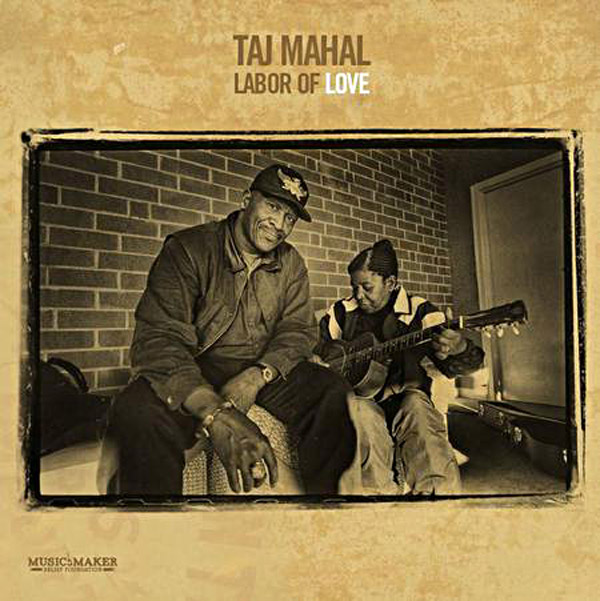
Labor of Love is one of the most pleasurable albums you're likely to hear all yearand it sounds amazing, too...what we have here is magic: classic blues tunes"Stagger Lee," "My Creole Bell," Mistreated Blues," "Zanzibar," "John Henry," and moretreated with such love and wit and heartache and (to use a tired term that's appropriate here) authenticity.