

A gift at war (for Veterans Day)
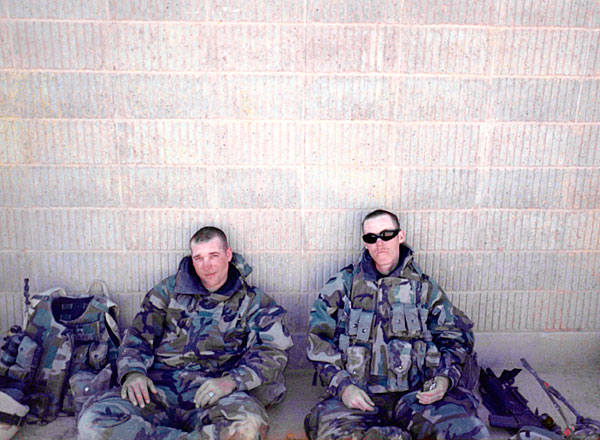
In March 2003, as news networks broadcast images of American tanks racing north toward Baghdad, my infantry platoon dug shallow foxholes in southern Iraq. We were part of a defensive perimeter guarding FARP Exxon, a helicopter refueling point for the Army's 101st Airborne Division.
A Musical Inheritance
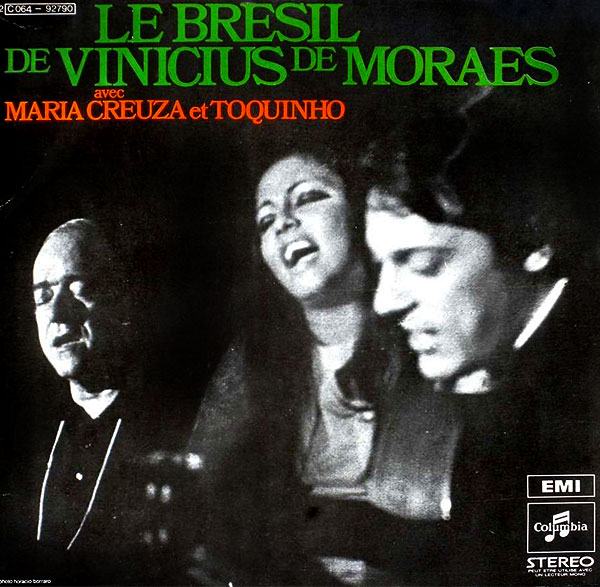
When I was a child, my father was a dealer in black-market records. We lived on what was then the outskirts of Moscow, in what was then the Union of Soviet Socialist Republics. It was the 1970s, and our nation's record stores only sold discs of domestic manufacture, most of them wooly-sounding classical recordings on the Melodiya label. This meant that a healthy contingent of Muscovites valued records smuggled from what they referred to in hushed tones as "The West" more than just about anything else their rubles could buy.
A Poor Man's Audio Show Review
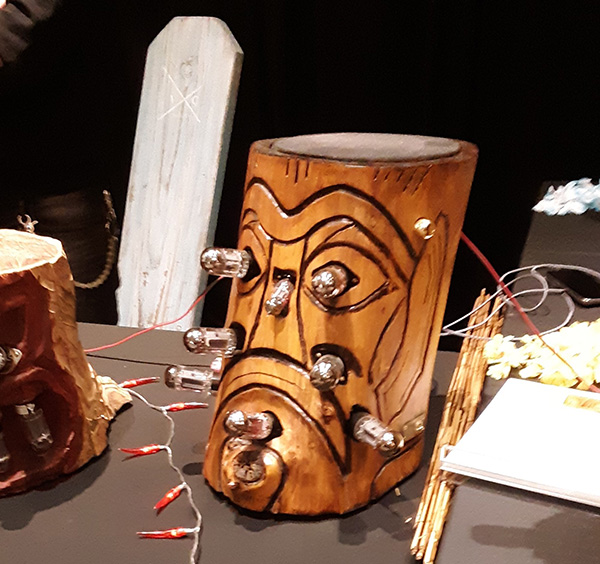
My local audio dealer told me that neither of the two stereo mags would be reporting from the Costa Mesa audio show, which I attended in June, which is formally called T.H.E. (Total HiFi Experience) Show SoCal, so I thought I would step in and give it a quick-and-dirty review from the perspective of regular Joe Audiophile rather than that of the polished, professional reporters Stereophile usually sends.
A Wolf Howled in Chicago
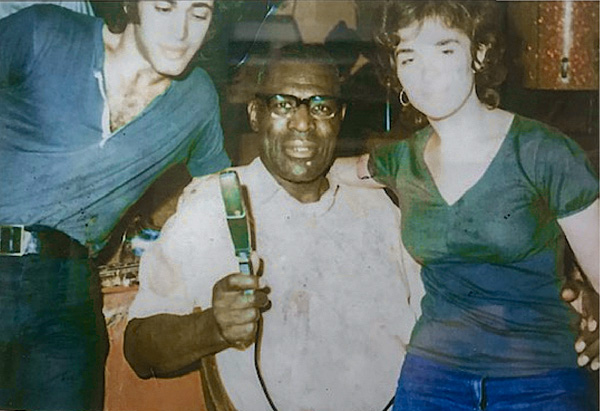
In the early 1970s, my hometownChicagowas a hotbed of blues. I discovered the blues in high school via the Rolling Stones, and I began to frequent the city's blues clubs as a college student, at first while still underage. From Theresa's, the South Side tavern where Junior Wells performed, I progressed to the West Side, where on weekends I would head down Madison Street to see Howlin' Wolf at Big Duke's Blue Flame Lounge.
Alive at the Cafe Au Go Go

I grew up in a household that didn't have a record player and was pretty much devoid of music. In high school, I got a little stereo and began collecting records. By the time I entered Brooklyn College, in 1963, my "main man" was Trini Lopez; I also had a couple of Jack Jones albums. In New York, I discovered the Cafe Au Go Go.
An "Average Joe" Goes to a Listening Party
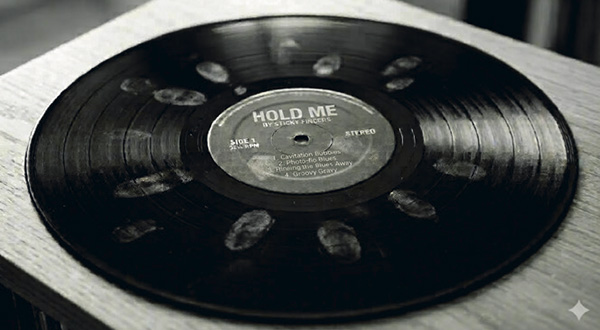
The Thursday after AXPONA, I planned to go to a listening party, sponsored by our town's library and held at a local art gallery. I thought that for once I would expand my horizons and spend time with others who love music instead of sitting alone in front of my hi-fi.—Joe Lynn
Art Dudley: The Art of Being
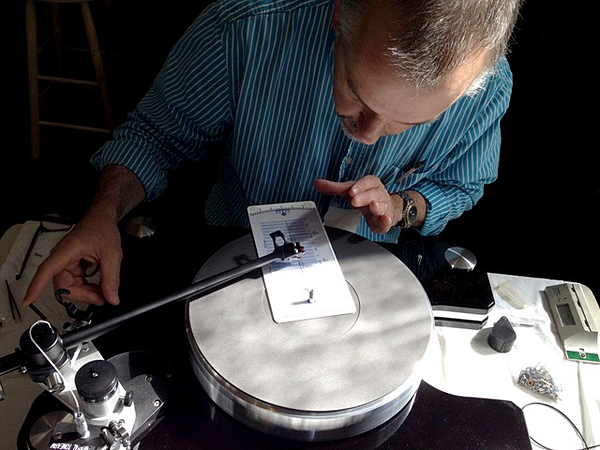
Photo: Sasha Matson
I met Art Dudley twice, and in both instances, he was exceedingly humble and gracious with his time. The first time, I thanked him for hosting the Virtues of Vintage panel at DC's Capital Audiofest, just moments after he was verbally accosted by an unwell man seated in front of mesomething about audio-journalism lingo and abstract phrases like "midrange bloom."
Bob Dylan's Bootleg Series Vol.17: Fragments: a Masterpiece as It Is Painted
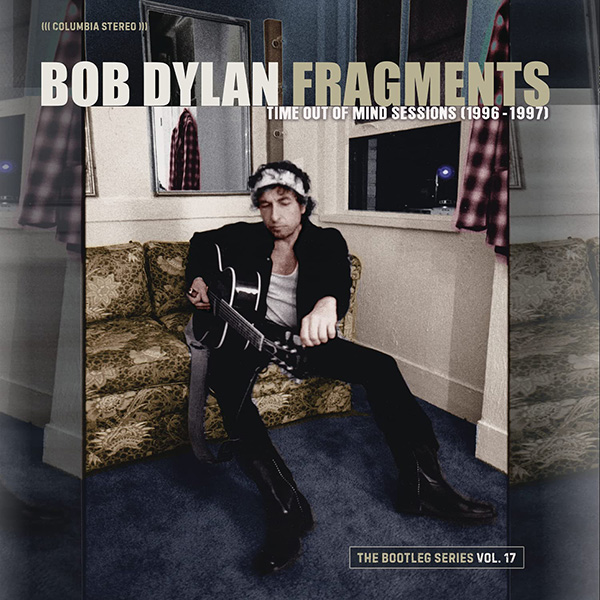
Columbia Records continues to extend its Bob Dylan Bootleg Series, which began in 1991. The latest edition in this complex warren of burrows brings us to Volume 17, Bob DylanFragmentsTime Out of Mind Sessions (19961997).
Fragmentsthe titlefeels inaccurate; these recordings are not shards of some missing whole. Rather, they form a single large, varied portrait. To borrow an analogy from art history, what we have here is the result of cleaning and restoring a large canvas, removing layers of varnish and dirt that had obscured the true colors and textures that were there when it was first painted. Now we can experience this masterpiece in a new way.
Boy Meets Blues: Muddy Waters, Howling Wolf, Little Walter, Chess Records
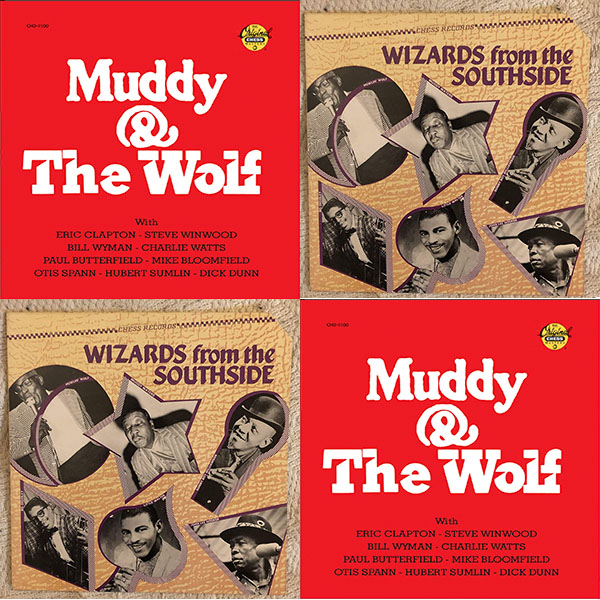
Most of us were not born with musical tastes intact. Tastes develop over time as we learn and experience new music and other things. An open mind, an ear attuned to songs and sound, and a procession of mentors and musical guides make for a musical life that's rich and full. To my way of thinking, the best life has a soundtrack that's varied and constantly expanding.
Which is not to say there aren't transformative events. Prior to my lightning-strike momentabout which, more in a minutethe blues were all around me, as they always are around all of us. As a kid attuned to rock'n'roll, growing up in the suburbs with a full FM dial, I was exposed to blues-based music current and past, from Elvis on the oldies stations to Led Zeppelin and the Rolling Stones.
Boys' rock band, summer of '66
It was another glorious Lower Cape summer, the warm breeze almost viscous against your skin. Tim Dickey played bass, or ersatz bass, tuning his Gibson SG Special down an octave. I played drums. My brother John and cousin Dave Scherman traded leads. Tony Kahn was a good guitarist, but with the surfeit of guitarists, he played organ.