Art Dudley Listening

Sort By: Post DateTitle Publish Date

Listening #27

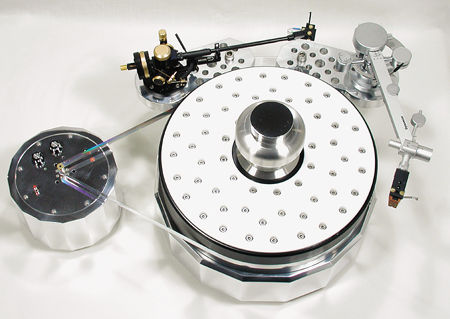
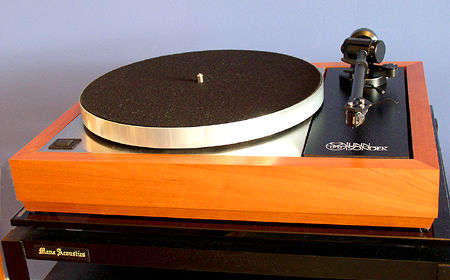
Our December 2004 issue honored 56 contemporary audio products that stood">http://www.stereophile.com/features/1204poty">stood out from the pack during the course of the year. Of those 56, fully nine were phonograph components (footnote 1), including one—the Linn">http://www.stereophile.com/analogsourcereviews/1103linn">Linn Sondek LP12 turntable—that's been on the market for something like a hundred years.

Listening #26

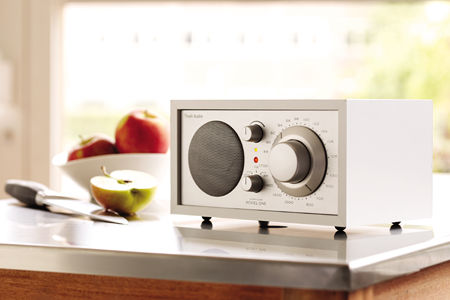
It's a strange sort of progress: As culture and commerce evolve, most people look for simple, easy solutions to their needs. Enthusiasts, however, go out of their way to complicate matters, often choosing products that are expensive and difficult to use. Nowhere is this more obvious than in the world of home audio, where typical consumers have embraced the notion of smallish, self-contained music systems—yet audiophiles, who are surely as crazy as bedbugs, seem bent on parsing an ever-increasing number of individually distinct products from the basic concept of a music system.


Listening #23

When I was a boy, silent dog whistles were all the rage. They were sold mail-order from the backs of comic books, alongside whoopee cushions and sneeze powder and X-ray spex. The whistles aren't so easy to find anymore, but don't read too much into that fact. Don't read into that at all.


Listening #22

Once upon a time there was a violin maker who had two quarrelsome sons, and their names were John and Rudolf. When the boys came of age, their father put them to work in his shop, but John and Rudolf found it difficult to get along with one another, and they quarreled even more bitterly after the old man died.


Listening #18

A grainy film is said to exist that proves the viability of a mechanical antigravity device. The inventor, a native of Syracuse, New York named Harry W. Bull (footnote 1) placed his so-called "bootstrap machine" on a bathroom scale, focused a borrowed home movie camera on the dial, powered up the machine, and watched as the numbers spun backward. This event, and the development work that led to it, were the basis for a series of articles—and a subsequent exchange of heated letters—in Popular Science magazine. The year was 1935.


Advertisement
Advertisement
Advertisement