Music and Recording Features

Sort By: Post DateTitle Publish Date

The Forever Half-Life of Quadraphonics

The popular history of quadraphonics (4-channel sound from LP records, tapes, and radio broadcasts) chronicles a spectacular failure. The major record labels, led by CBS/Columbia and JVC/RCA, invested millions in ill-fated schemes to convince music lovers to ditch 2-channel stereo for 4-channel surround sound. The concept was killed, so the story goes, by competing and incompatible LP formats, high prices on the better-sounding discrete-channel reel tapes, and a collective shrug by the buying public.


That story is mostly true, though the format thrived for a while in Japan and Germany, and it never fully died. Now, modern tech has made possible rereleases of 1970s quad albums on relatively common formats: multichannel SACD and Blu-ray discs (BD). No more "meh" LP formats, no more fussy 1970s-tech decoders.
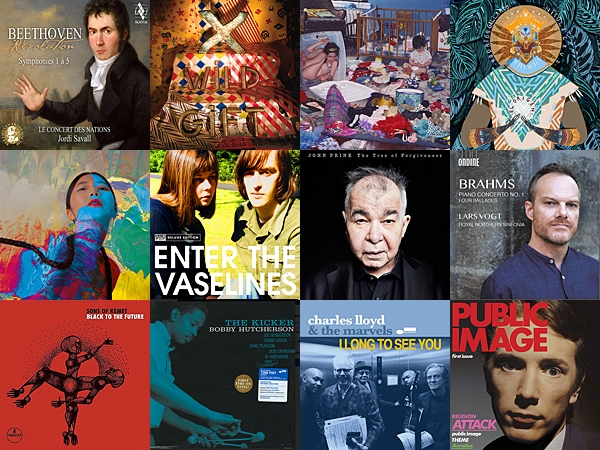
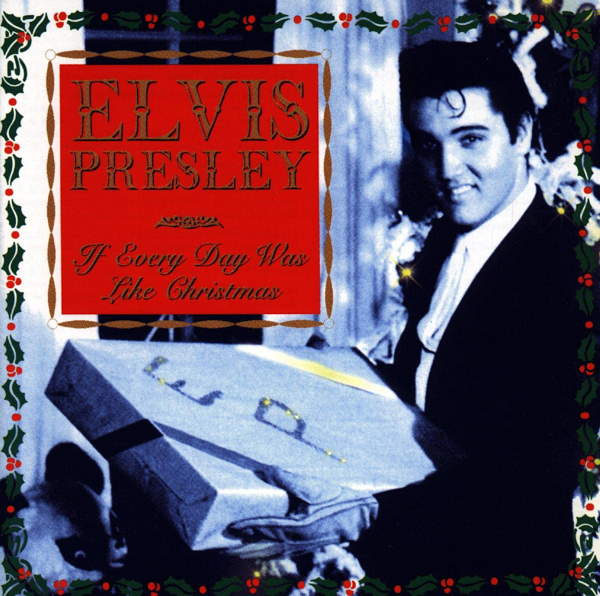
Santa's–Sorry, Sasha's–Christmas Playlist


In my house, I have a little stack of CDs that I bring out once a year—for Christmas Eve and Christmas day. I then put them away on the shelf until the following year. This annual Festival of Christmas Albums is met with varying degrees of pleasure and resignation by the family members present; listening is non-negotiable, though we may not make it through all of them. Once in a while a new Christmas album will make the cut and be added to the stack, but not every year.

On The Road Again, A Year Later

Teatro Morlacchi at Umbria. All Photos by Tim Dickeson.


It has been a year since my piece "On The Road Again: A Jazz Festival Journal From A Summer Of Plague And War" appeared, in the November 2022 issue of this magazine. It described three European jazz festivals I attended in July 2022.


In July 2023, I returned to Europe to attend two festivals. The COVID-19 plague and its fallout had significantly subsided. The war in Ukraine was still raging, but this time I didn't get near it. In 2022, I went to a festival in Romania, which borders Ukraine. In 2023, I only went to Italy.

Jazz at a Dark Moment: the 2023 San Jose Jazz Winter Fest

Jazz emerged from the African-American experience in the United States, so it is not surprising that it has been socially relevant since its earliest manifestations. Sonny Rollins put the matter succinctly: "jazz is protest music."


In 1923, Bessie Smith sang songs based on her experience of racism and sexism. In 1939, Billie Holiday recorded "Strange Fruit," a chilling song about a lynching. Charles Mingus's 1959 classic "Fables of Faubus" secured a permanent place in music history for the segregationist governor of Arkansas; thanks to Mingus, among jazz fans at least, the name "Orval Faubus" will ever be synonymous with bigotry.


But if social activism is nothing new in jazz, it has never been so prevalent as it is today. At some point in the new millennium, it began to feel like every new jazz album had to have at least one overtly political track. The reasons for this development may lie in the extreme political polarization of our society. The divisiveness of the Trump Era forced everyone, including artists, to choose sides.


But the ways jazz has woven itself into contemporary history go far beyond standoffs between progressives and conservatives . . .

Robbie Fulks is Bringing It All Back Home

In 2009, Robbie Fulks decided to make a change. For almost 20 years, the singer/songwriter had led a series of hard-hitting country-rock bands across America and beyond, his blistering guitar chops and madcap levity (the latter frequently testing, if not violating, standards of taste) winning him a modest-sized but ardent fan base.


"I was fatigued from what I'd been doing," Fulks told me recently via Zoom, sitting in his kitchen in Atwater Village, a Los Angeles neighborhood between Glendale and Burbank. "Me on acoustic guitar, with electric guitar, bass guitar and drums, that was my sound for something like 13 years. I was so tired of it, I was actually thinking of doing something other than music."

Molto Molto—a New Stereophile Album from Sasha Matson

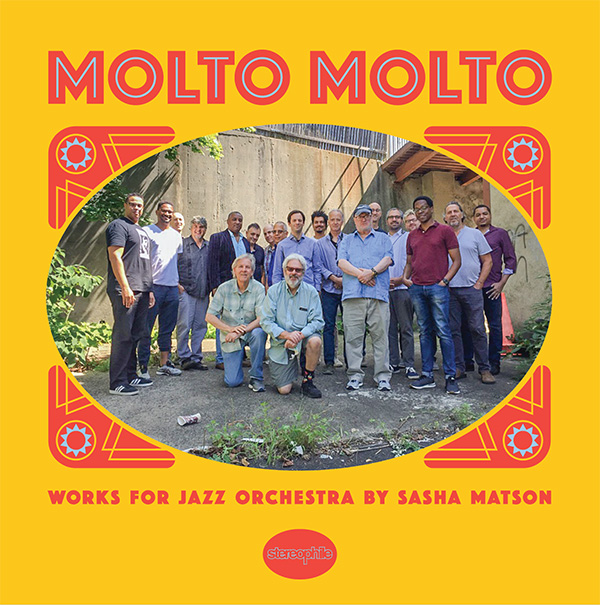
We started issuing recordings on the Stereophile label at the end of the 1980s, both to make available some of test tracks that we were using in our reviews and to enable readers to have access to recordings where the provenance was fully documented. That way the "Circle of Confusion" that Bob Katz discussed on the Stereophile website in 2017, where the sound quality of an audio component couldn't be judged using a recording with unknown sound quality potential, could be avoided. As Bob wrote, "How can any reviewer make a judgment about a transducer without knowing what a recording is supposed to sound like?"

The Beatles Reanimated: The Giles Martin Revolver Remix

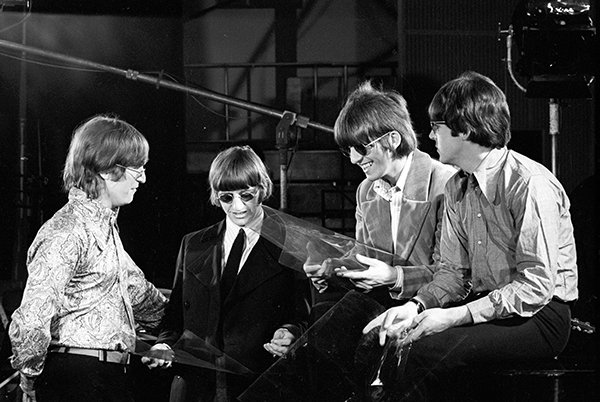
On a warm day in September 2022, alongside 40 or so press colleagues, I was treated to an advance demonstration of the Dolby Atmos mix of The Beatles' Revolver, at Republic Studios on Broadway In New York City's midtown. Producer/mixer Giles Martin—son of original Beatles producer Sir George Martin—was our host. Giles Martin's demeanor was self-deprecating, and he seemed to know all there is to know about the Beatles and their productions. As Martin played songs from Revolver in surround sound, the assembled group seemed amazed by what they heard.
Advertisement
Advertisement
Advertisement