Rabbit Holes

Sort By: Post DateTitle Publish Date

Rabbit Holes #17: The Spirit of Rush Ever Lingers
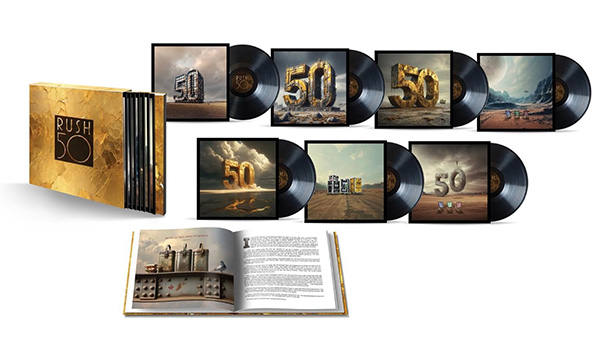
Over the course of Rush's five-decade career, the Canadian prog-rock trio never released much music from the vaults. When vaunted studio albums such as 1980's Permanent Waves and 1981's Moving Pictures were reissued in expanded form, in multidisc anniversary box sets, the bonus material has consisted of previously unreleased live recordings from the era—never any of their oft-whispered-about studio outtakes.


That changes with the new, career-spanning box set, Rush 50 (Ume/Mercury/Anthem), the first time the band has pulled back the curtain to share previously unreleased and highly sought-after tracks, alternate takes, and live rarities alongside other notable studio and live classics that traverse the band's fertile 1973–2015 lifespan.

Rabbit Holes #16: The Magic of Film + Jazz

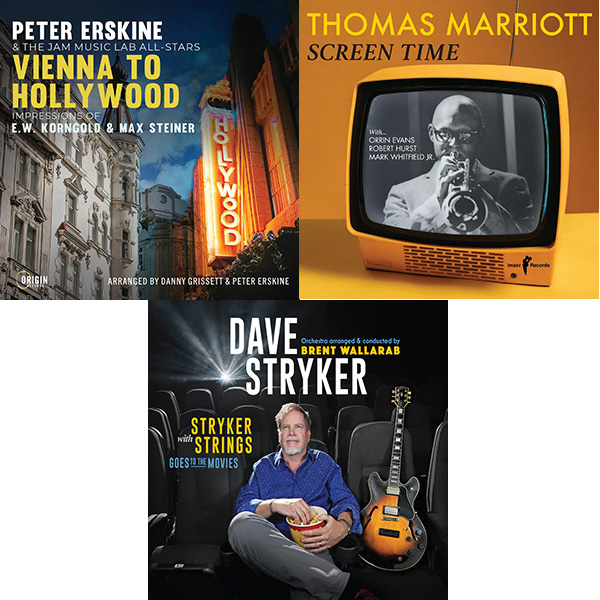
Jazz and film have long sustained an intimate creative relationship. Jazz is a cinematic art form because it is intuitive, improvisatory, and embedded in the moment. The aural imagery of jazz is perfect for insinuating shifts of mood. No wonder jazz is often used in film scores. No wonder there are so many jazz interpretations of movie themes. The three excellent new albums discussed below are cases in point.

Rabbit Holes #15: King Oliver's (and Louis Armstrong's) Centennial

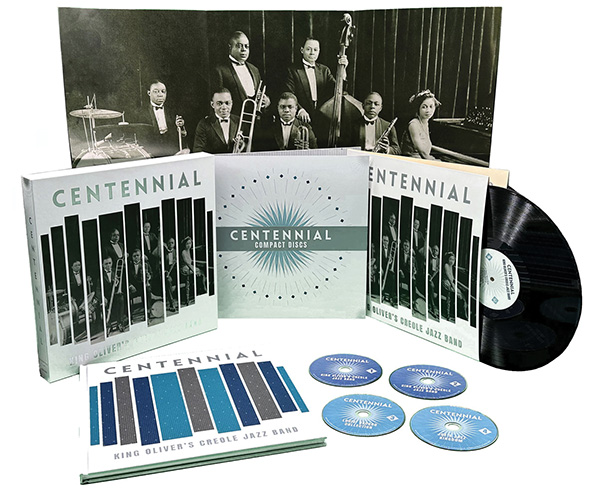
Although King Oliver's Creole Jazz Band was indubitably led by Joe Oliver himself, this deluxe box set, marking the centennial of the band's recorded debut, focuses on its second cornetist, Louis Armstrong, who was making his own debut. These landmark jazz recordings, nearly the first by a black band from New Orleans, had a profound impact on the jazz that came afterward. They were recorded acoustically, without the use of electricity, and previous reissues have suffered from terminal murk, to the point that individual horn lines could hardly be discerned. Richard Martin and the Archeophone label have done an outstanding job of restoration, rendering the instrumental parts with remarkable clarity.

Rabbit Holes #14: Uh-Oh, Talking Heads Come to Town

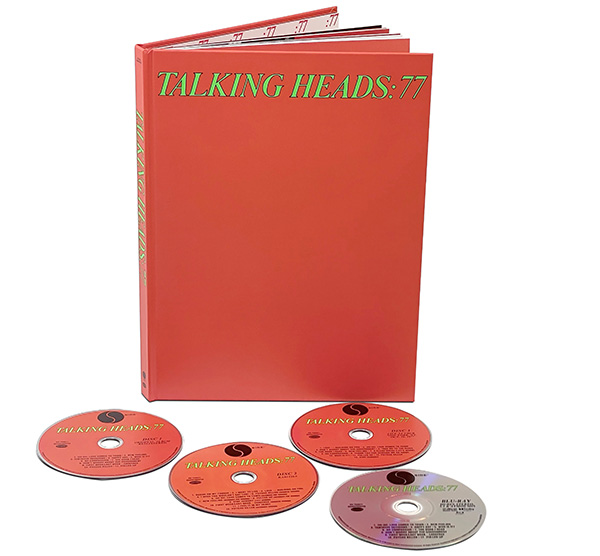
A quick survey of 1977's rock albums shows a vibrant genre, pushing in many directions at once. British punk went major label, with debut albums from The Clash, The Damned, Wire, and The Sex Pistols (their only studio album). The Ramones released Rocket to Russia. David Bowie explored a new direction with both Low and Heroes. Mainstream blockbusters included Rumours by Fleetwood Mac, News of the World by Queen, Slowhand by Eric Clapton, and Pink Floyd's Animals. Not to mention Meat Loaf 's Bat Out of Hell and the soundtrack to Saturday Night Fever (footnote 1).


Amid all of this, there was a distinct new sound, quickly labeled New Wave. It wasn't rock like Queen, Pink Floyd, or anything coming out of Laurel Canyon. And it wasn't manufactured in the disco-pop factories. But it wasn't punk. It was NYC-centric, but there was also Brit brat (before brat was a thing), Elvis Costello, introducing himself with My Aim Is True. Back in the Big Apple, two seminal new wave debuts dropped in 1977: Television's Marquee Moon, and Talking Heads: 77.

Rabbit Holes #13: Elvis in Memphis, Warts and All

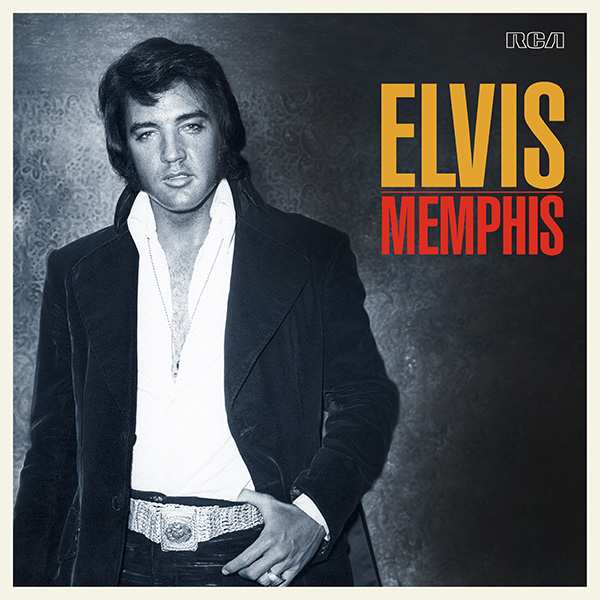
Calling Elvis Presley the king of rock'n'roll may seem hyperbolic today, but that's what he was during 21 years in the hot pop culture spotlight. His recording career began and ended in his hometown of Memphis. From a bright cultural comet heralding something new to a depressed drug addict mailing in middling performances from his mansion's den, Sony's box set, Memphis, captures all his home-turf recording sessions.

Rabbit Holes #12: Julius Eastman's Different Kind of Swing

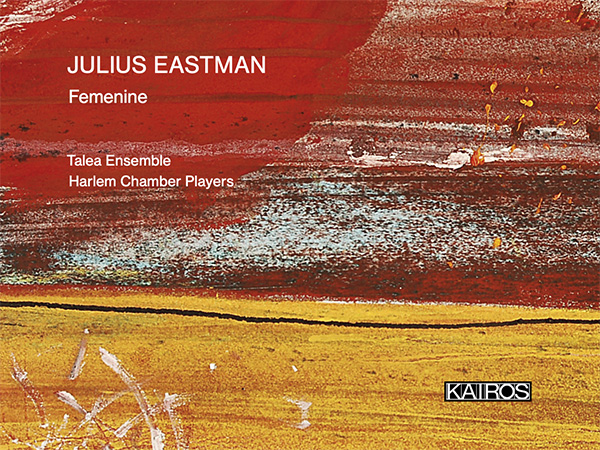
New recordings of Julius Eastman compositions aren't as rare as they were a decade ago. Eastman's profile has grown with each repetition of his story, which seems to become more dramatic with each iteration. Trained at the Curtis Institute of Music; worked with Peter Maxwell Davies, Meredith Monk, and Petr Kotik; composed significant works often for instrument multiples (four pianos, 10 cellos); then drugs, homelessness, and dying alone in a hospital at the age of 49. A recent resurrection has brought new recordings, new research, and new visibility. An exciting recent realization of his 1974 composition Femenine, recorded jointly by Talea Ensemble and Harlem Chamber Players, offers fresh perspective. It led me to listen to some older releases, some with the composer himself performing.

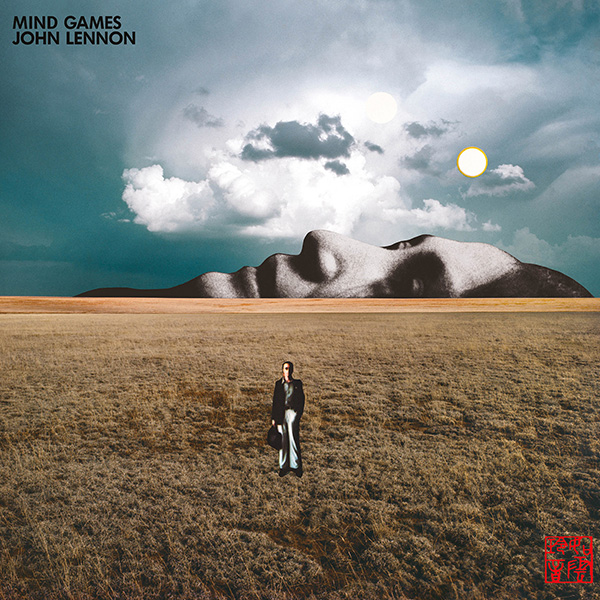
Rabbit Holes #11: Chasing John Lennon's Mind Games

After a wild decade in the biggest pop music group ever, John Lennon's post-Beatles years were spent in protest, in various kinds of therapy, in immigration court, and in search of a new musical identity. He had been a musician since age 16 and a superstar since his early 20s. He was only in his 30s.


By summer 1973, when Lennon's fourth album, Mind Games, was recorded at New York's Record Plant Studios, the turbulence of Lennon's life seas was at gale force. He was separating from Yoko Ono and starting a 16-month relationship (consummated at Ono's suggestion) with their shared administrative assistant, May Pang. The Nixon Administration was targeting Lennon and Ono for deportation because of their left-wing political activities, mostly focused on the Vietnam War.

Rabbit Holes #10: Les McCann's Never a Dull Moment!

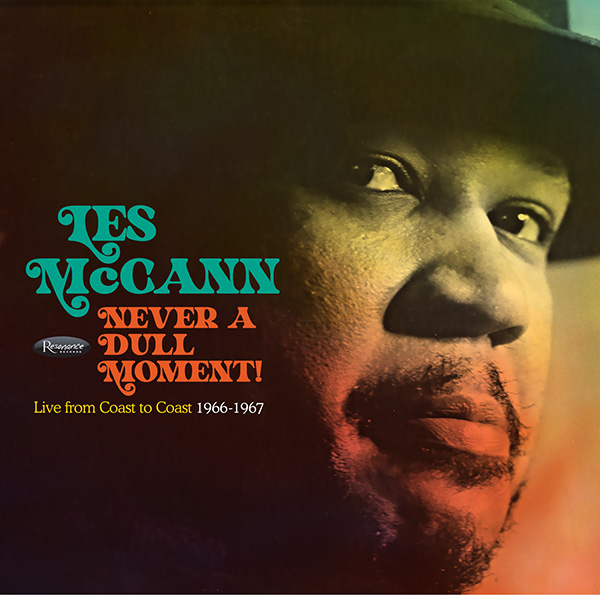
The best Christmas gift in history was George Bailey being shown what the world would be like without his being born, courtesy of Angel Second Class Clarence, in the classic 1946 film It's a Wonderful Life. More recently, and in the real world, the best gift ever was the release of pianist Les McCann's Never a Dull Moment! (Live from Coast to Coast 1966–1967) a few weeks before Christmas 2023 and less than a month before his death at 88, on three vinyl LPs.

Rabbit Holes #9: Nina Simone on Colpix

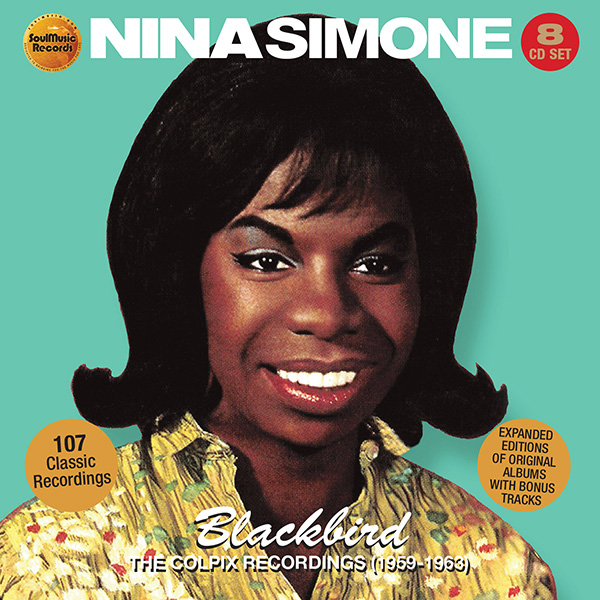
Seventy years ago this summer, a young pianist from Tryon, North Carolina—a town of fewer than 2000 residents—made her professional debut in Atlantic City. This was not the culmination of a dream but rather an economic choice born of the racial circumstances of the era. It was a letdown.


The venue was the Midtown Bar. If they'd known what she was doing, her parents would have objected and her musical peers would have sneered, so Eunice Waymon performed under a pseudonym: Nina Simone. Adding to the indignity for this classically trained pianist, playing wasn't enough; she was also expected to sing.

Rabbit Holes #8: Art Pepper Lives! Or, Long Live the CD!

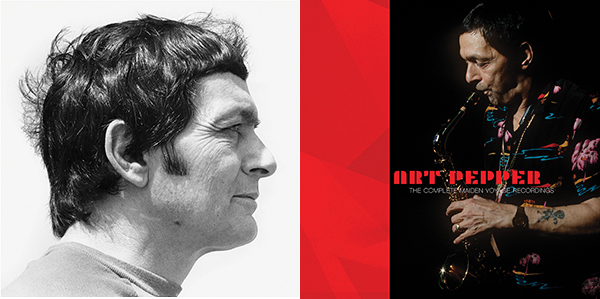
Art Pepper Photo by Laurie Pepper


That title must have gotten your attention. Not the part about Art Pepper but the part about the CD. Nobody has anything good to say about the compact disc anymore. CD sales suck. Streaming and downloads rule the world. Vinyl (an album format that warps, scratches, and has to be flipped every 22 minutes) now outsells CDs.


But the CD still deserves a place in your heart. One reason: box sets. Many of them are worthy of coveting. For example, there is an amazing new project on the Omnivore label, Art Pepper's The Complete Maiden Voyage Recordings. It contains eight hours and 20 minutes of music on seven CDs. Collections that large do not lend themselves to LPs.

Advertisement
Advertisement
Advertisement