Bel Canto, Pure Fidelity, YG
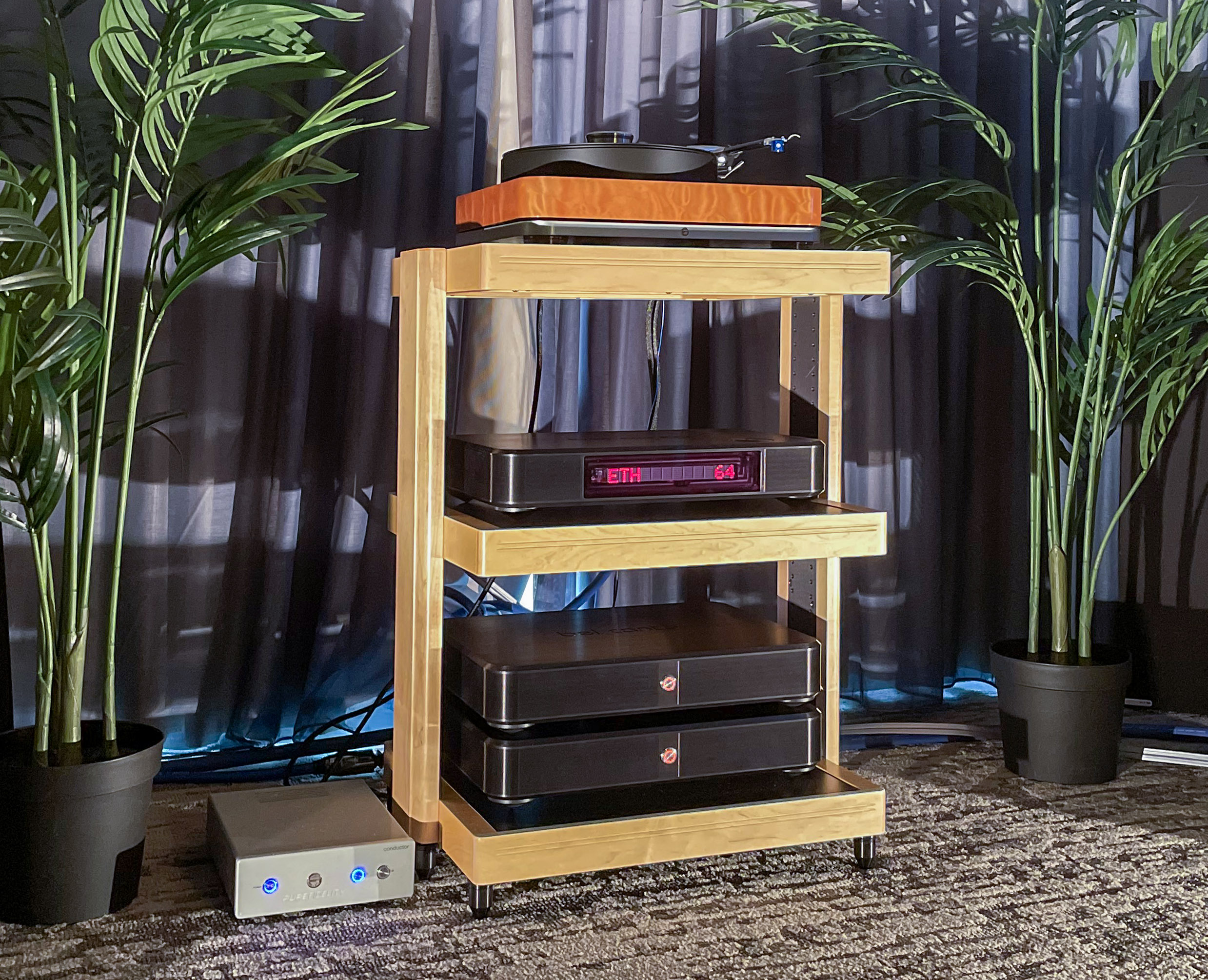
When I walked into this room, just before closing time on Sunday, the show’s last day, they were spinning vinyl. Two things are notable about that fact, at least to me.


When I walked into this room, just before closing time on Sunday, the show’s last day, they were spinning vinyl. Two things are notable about that fact, at least to me.
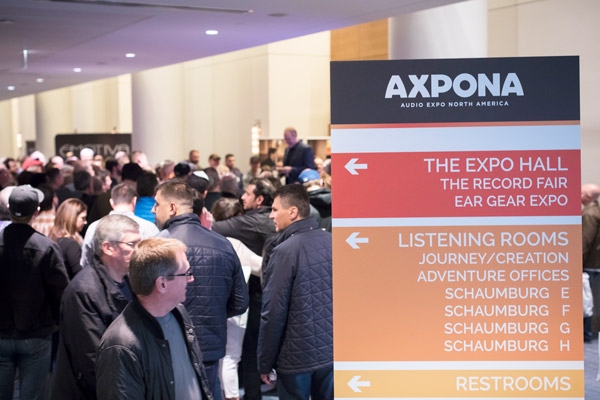
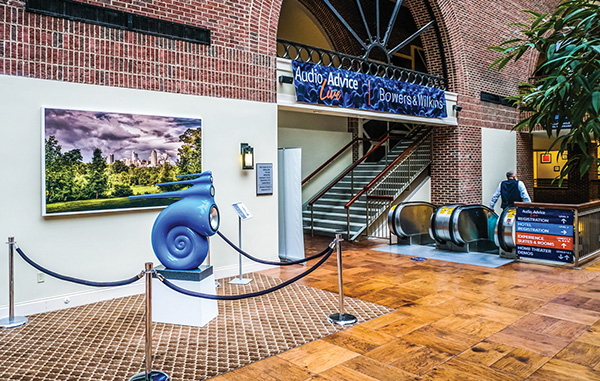
Though I'm writing this in early March, this As We See It column will be published in the May issue, which is the issue that will go to AXPONA, America's largest audio show, held each non-pandemic year at the Renaissance Schaumburg Hotel & Convention Center near Chicago. This year's show takes place FridaySunday, April 1214. The show opens each day at 10am and closes at 6pm Friday and Saturday; Sunday's closing time is 4pm. If you're going to the show, don't forget to stop by the Stereophile booth, Location 9213 in the exhibit hall.
Among many other honors, Johnston was selected to present the Richard Heyser Memorial Lecture at the 2012 AES conventionan honor shared by our own John Atkinson, who had given that lecture the previous year and was one of the participants in this email conversation. The other was Tom Fineso, it was me and two sound engineers.

I recently received a letter (not yet published) suggesting a need for a glossary of newer hi-fi terms. Some audiophiles raised on physical media, it seems, are perplexed by descriptions of the new streaming landscape. Just yesterday, all we had to worry about was DACs and transports. Today we have servers, streamers, players, streaming DACs, and all that. That immediately struck me as a good idea, allied with a second reason: To avoid confusion, it makes sense for the industry to standardize the nomenclature. When we see the word "streamer," for example, we should all be thinking about the same thing.
So, here's a brief glossary of streaming-related devices.

This is an album with serious audiophile cred. It was recorded to analog tape on a Studer A800 MKIII at 30ips, by Ryan Streber at Oktaven Audio in Mount Vernon, New York. It was mixed, also at 30ips, on a custom, tubed Ampex 351, by Pete Rende. Bernie Grundman mastered it for vinyl and cut the lacquer, direct from the analog tape, on an all-tube system. The executive producer for the vinyl version is Hervé Delétraz of darTZeel, who, Sabbagh told me, helped finance the mastering and pressing. Sabbagh listened to the acetates and test pressings at Ana Might Sound in Paris.

On this page in Stereophile's December 2023 issue, contributing editor (and mastering engineer) Tom Fine and I described a press event at which Apple Corps (the Beatles umbrella corporation) presented the news about the (at the time) forthcoming new Beatles single and the forthcoming "remixed" reissues of the "Red" and "Blue" Beatles compilations. Tom attended the eventwhich, notably, was held at Dolby headquarters here in New York City, reflecting, apparently, Apple Corps' interest in Dolby Atmos. At the event, demos were presented in the Atmos format onlyno stereo.
A key point of that column was that Apple Corps, at leastand who knows how many others in the music industryare abandoning high-quality Atmos in favor of that streamed by Apple Music. Tom and I criticized this development in no uncertain terms, concluding that if Apple's lossy-compressed version of Dolby Atmos is what we're being offered, "we should hope for its demise."