Brian Damkroger
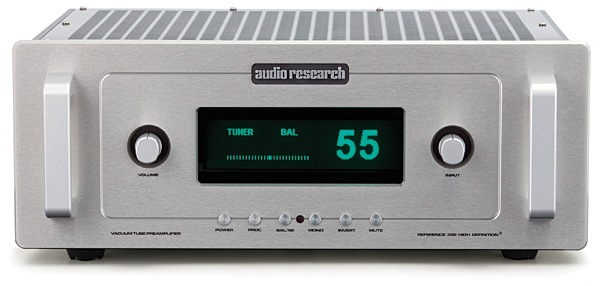
Audio Research Reference 5 SE line preamplifier
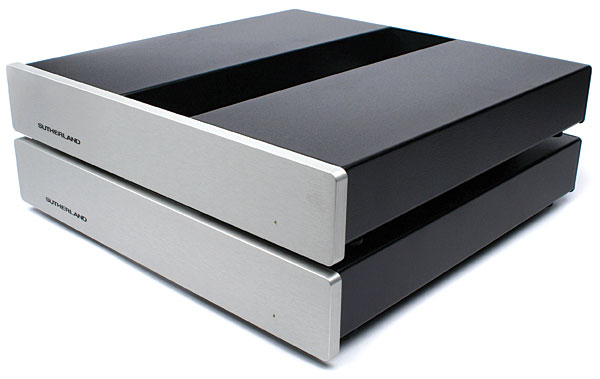
Sutherland Engineering Phono Block monoblock phono preamplifier
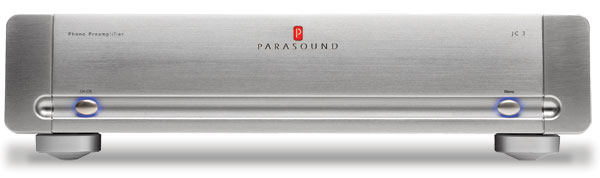
Parasound Halo JC 3 phono preamplifier
Audience ClairAudient 2+2 loudspeaker
Instead, most speakers work this way: Complicated electronics split the audio signal into pieces, adding various colorations and phase shifts along the way. The pieces are distributed to different drivers, each of which adds another unique set of characteristics. We then expect these fragments of electronic signal to be brought together again in a continuous, coherent reproduction of music. We agonize over different cable routings or which contact cleaner to use, and yet we calmly accept this grotesque sausage-making way of building speakers. It's ludicrous.
Vincent Audio C-60 CD player
Sutherland Engineering 20/20 phono preamplifier
It seemed a simple and obvious question, but I couldn't get an answer out of Ron Sutherland. Why did his new 20/20 phono preamp use an AC power supply instead of batteries? I asked directly, I asked repeatedly, I tried framing the question in different ways, all to no avail. Did the AC supply make it sound better? Was it less expensive to build? Were potential customers turned off by having to replace batteries once every year or two?
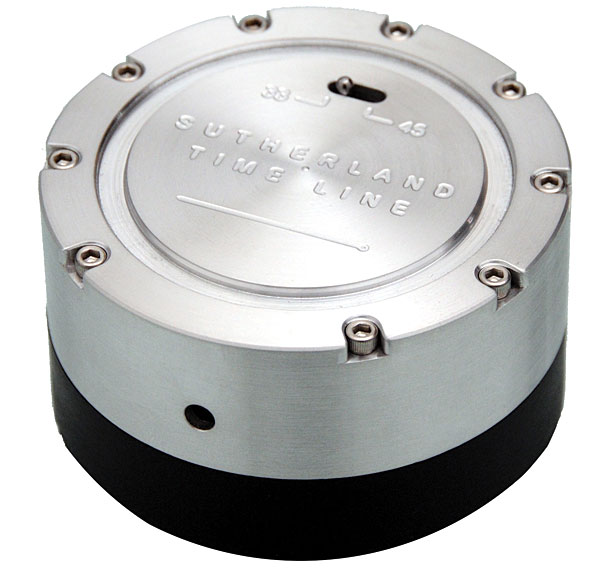
Sutherland Engineering Timeline record weight
Audience Au24e cables
Call me shallow, but what first attracted me to Audience's Au24 cables when I <A HREF="http://www.stereophile.com/cables/802audience">reviewed them</A> in August 2002 was their looks. In contrast to superstiff cables as thick as garden hoses, the Au24s were slender and elegant. They were wonderfully flexible, too, and even their custom-made RCA plugs were slim and easy to handle. Instead of having to fiddle with a system of locking collet and barrel, merely slipping them on resulted in a tight, solid connection. Compared to the Au24s, a sizable number of audiophile cables seemed excessive, even a little foolish.
Spiral Groove Centroid tonearm
Spiral Groove's new Centroid tonearm ($6000) arrived just a few days before press time, so it would be risky to say anything definitive about it. But I will take that risk: using the system described in <A HREF="http://www.stereophile.com/turntables/spiral_groove_sg2_turntable/">my review</A> of the SG2 turntable, this may be the best tonearm I've heard. Its sound is different in ways that will open people's ears, and I predict that it will affect the design of every tonearm from now on. The Centroid's design deserves and will await full coverage in its own review, but here are the basics: It's a fluid-damped unipivot design unlike any other that gives the user fine adjustment of all relevant parameters.