Robert Baird

Jenny Scheinman and her All Species Parade
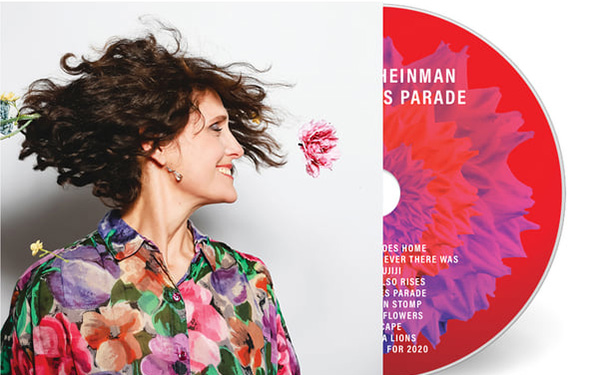
Most of the provocative and charismatic popular music made today is an unclassifiable mixture—a hybrid of whatever styles, sounds, and instruments happen to move its creators. Violinist Jenny Scheinman not only composes multi-hued music that is singularly her own, but she lives in two very different musical worlds: the progressive world of jazz, and the more song- and tradition-based environs of Americana.

Scheinman's latest solo album, All Species Parade, released in October 2024 on the Royal Potato Family label, is a classic example of her unique vision and chameleon-like ability to blend seamlessly into disparate musical contexts, with nods to both jazz and Americana.
Continue Reading »

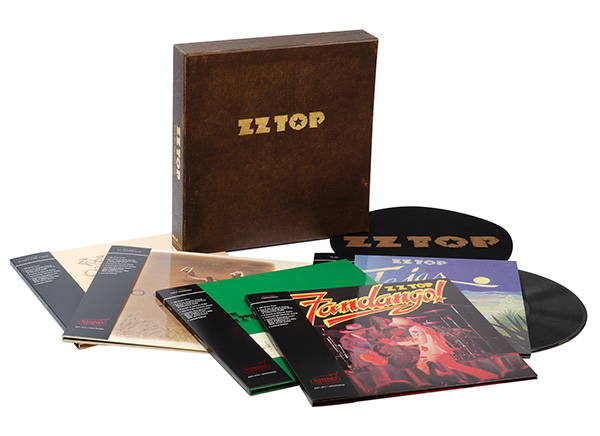
Revinylization #59: Takin' it from the (ZZ) Top

Before the beards, before the fuzzy spinning guitars, before the "Legs" video, there was an electric blues trio, that little ol' band from Texas, ZZ Top. In five years in the 1970s, they made their finest albums and found their first success. They came, they conquered, and gargantuan blues riffs—not to mention the concept of the power trio—were never the same.

Anthologized and reissued many times since their release—Tres Hombres alone has been reissued on vinyl three times just since 2006—the band's first five albums have been reissued again in an impressive, limited-edition boxed set from Rhino called From the Top: 1971–1976.

Continue Reading »

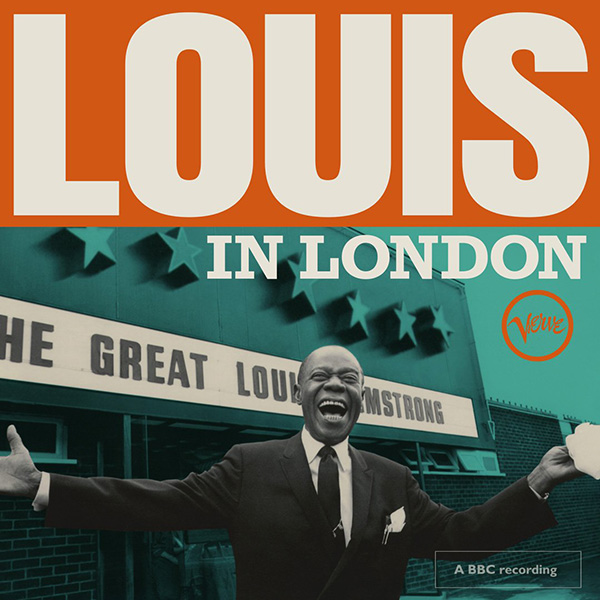
ReDiscoveries #8: Louis Armstrong in London

No jazz-centric visit to New York City is complete without a trek out to Queens. At 46th Street in Sunnyside stands the apartment building where famed cornetist Leon Bismark "Bix" Beiderbecke's alcoholism finally killed him in 1931. Farther out, in Corona, is the newly enlarged and expanded Louis Armstrong House Museum. The actual house Armstrong bought in 1943 and lived in until his death in 1971 is just the way it was when his fourth wife, Lucille, died there in 1983. The long white couches, bright blue kitchen cabinets, and wall-mounted reel-to-reel tape decks behind his desk in the upstairs den remain, all extraordinarily well-preserved. Just north of there, in Flushing Cemetery, you can visit Armstrong's grave.

Pops, as he was affectionately known by friends and fans, was an inveterate maker of scrapbooks and tapes of his music. By spring 1969, he had a pair of Tandberg reel-to-reel recorder/players up and running. One of his then-new treasures was a set of tapes made by the BBC from television broadcasts recorded the preceding summer. Music from those tapes—13 tracks in all, four for the first time ever—has just been released on CD, LP, and streaming, as Louis in London.

Continue Reading »

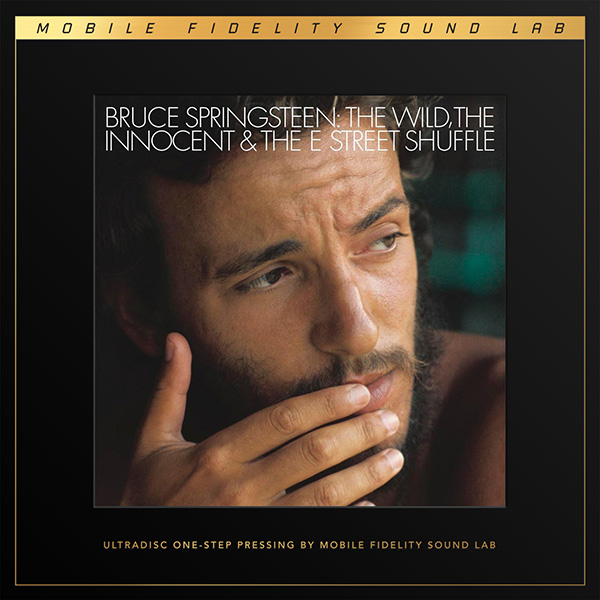
Revinylization #58: The Wild, The Innocent, & The E Street Shuffle on MoFi

While it's a distant memory now that he's making mediocre albums and using his US website to sell $50 T-shirts for gigs in Helsinki, there was a time when Bruce Springsteen had a hungry heart: Hungry to be perceived as a consequential artist. Focused on telling stories and making vivid albums. Alive with conflict and memorable characters. Back in those days, the early 1970s, he broke any number of rules and barriers. In the case of The Wild, The Innocent & The E Street Shuffle, that meant defeating the dreaded sophomore slump.
Continue Reading »

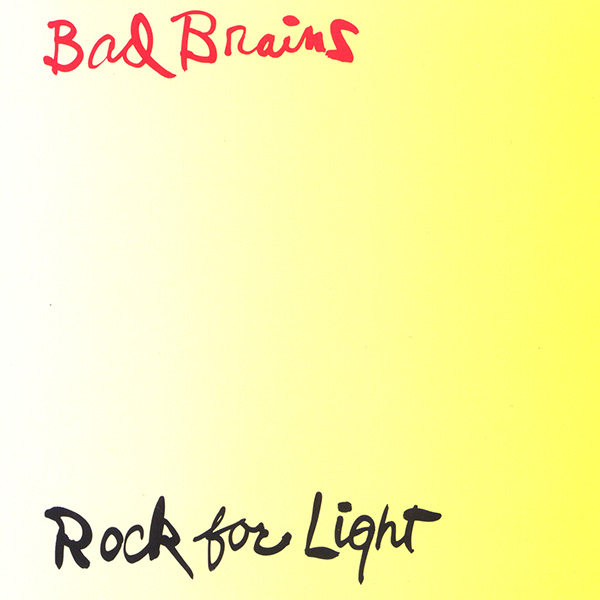
ORG's Dave Gardner Rescues a Bad Brains Album

Playing an astonishingly original mix of reggae and thrashy punk rock, Bad Brains released their self-titled, cassette-only 1982 debut on ROIR records. Punk rock is notorious for eschewing well-recorded music in favor of lo-fi murk, and that original tape fit the pattern. But the next year, the turbulent foursome—guitarist Dr. Know, bassist Darryl Jenifer, drummer Earl Hudson, and vocalist H.R.—went into Synchro Sound in Boston with Ric Ocasek of The Cars and tracked Rock for Light, a huge step up in the quality of Bad Brains' recorded sound.
Continue Reading »

Duke Ellington in 10 Exemplary Tracks

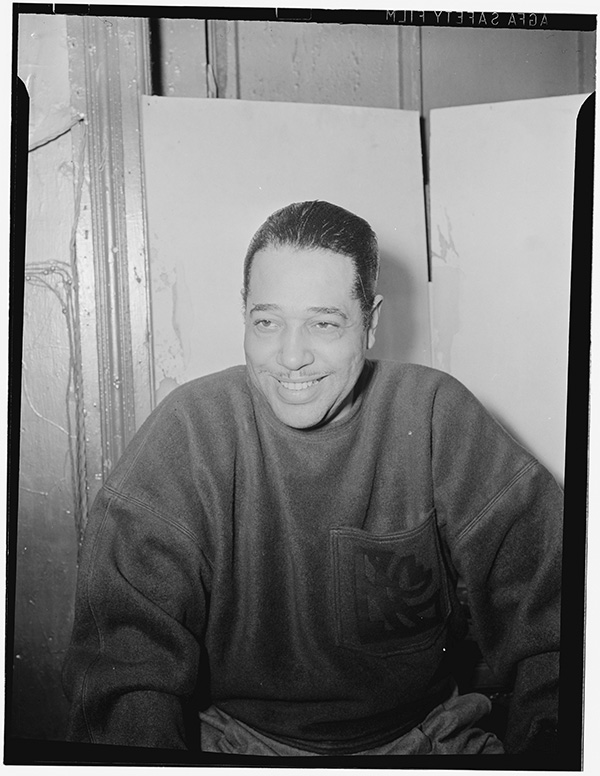
Duke Ellington's death 50 years ago was a massive loss for American music. Elegantly attired, beautifully spoken, and always the picture of sophistication, the African-American icon was one of the greatest composers of American music ever, regardless of genre.

Edward Kennedy Ellington led the Duke Ellington Orchestra (pointedly not a band) from the piano for more than 40 years, using hands and facial gestures instead of a baton. He used charm, flattery, and a deep understanding of human psychology to bind his virtuosos to the orchestra and get the sounds he wanted. Often in collaboration with arranger/composer Billy Strayhorn, the great unsung hero of Ellington's story, Ellington composed music of all lengths and for all occasions for the orchestra he toured the world with from the 1920s into the 1970s.

Continue Reading »
Advertisement
Advertisement
Advertisement