J. Gordon Holt
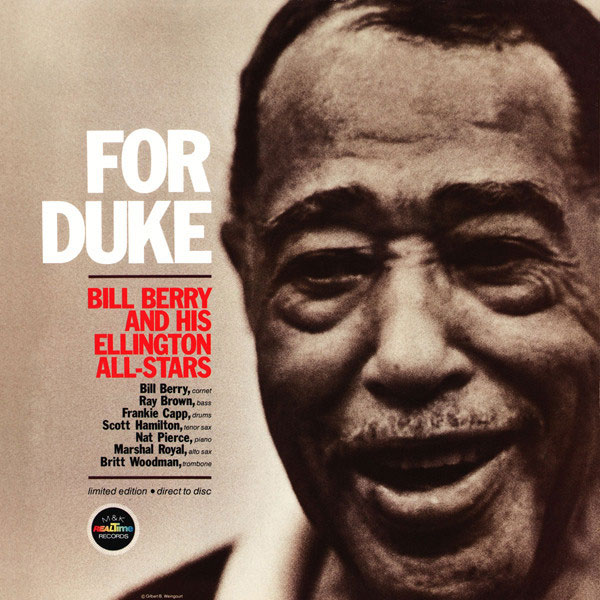
Recording of October 1978: For Duke
Works by Duke Ellington
Bill Berry, cornet; Ray Brown, bass; Frankie Capp, drums; Scott Hamilton, tenor sax; Nat Pierce, piano; Marshal Royal, alto sax; Britt Woodman, trombone.
M&K Real-Time RT-101 (direct-to-disc LP).
This is to-date the best direct-to-disc recording I have heard. For once I can't complain about the high end being shrill or hard. The balances are excellent and the performances superior, with each member of the group getting his chance to show off. Marshal Royal's saxophone solos must be heard to be believed, Everyone present is obviously having a good time making music, which is the way it always ought to be but often isn't.
Recording of October 1979: The Telarc 1812 Overture
Cincinnati Pops Orchestra, Kiev Symphony Chorus; Children's Choir of Greater Cincinnati, Erich Kunzel cond.
Telarc Digital DG-10041 (LP, CD-80041 (CD). 1979 (LP), 1984 (CD). Edited at Soundstream, Inc. Robert Woods, prod.; Jack Renner, eng. DAA (LP), DDD (CD). TT: 35:19 (LP), 60:23 (CD).
I must say I'm getting a bit bored with the 1812 Overture, but as long as there are audiophiles, it will be recorded due to the stringent demands it can make upon one's playback system. This version produced by Telarc is going to be hard to beat. The cannon fire is unbelievable.
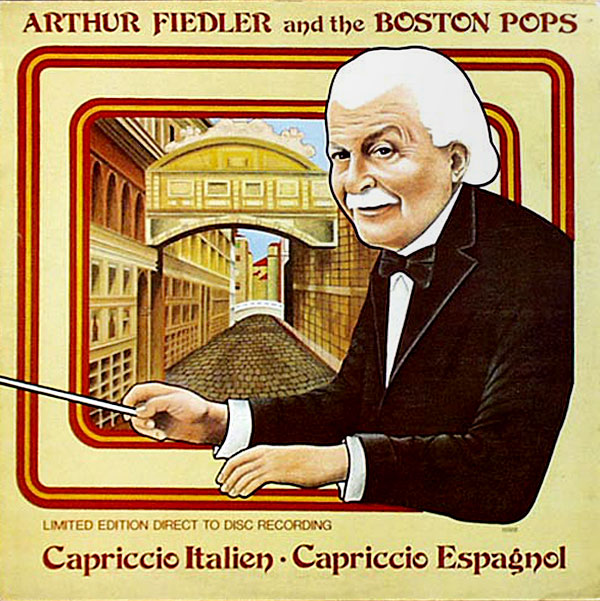
Recording of August 1980: Capriccio Italien & Capriccio Espagnol
RIMSKY-KORSAKOV: Capriccio Espagnol
Boston Pops conducted by Arthur Fiedler.
Crystal Clear CCS-7003 (Direct-cut LP). Ed Wodenjak, prod.; Bert Whyte, eng.; George Piros, Richard Simpson, Stan Ricker, mastering; John Meyer, special equipment; John Curl, console design.
One of Crystal Clear's earlier releases (1978), this has very distant, directionally vague sound, but the sound (stupendous by standards of only a few years ago) cannot stand in the way of two of the most exciting performances of these potboilers that have ever been committed to disc.
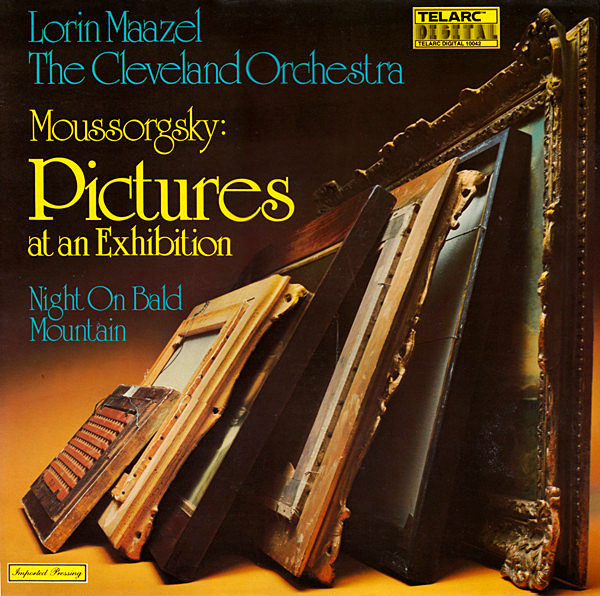
Recording of June 1980: Pictures at an Exhibition, Night on Bald Mountain
Cleveland Orchestra, Lorin Maazel, cond.
Telarc 80042 (LP). Recorded at Masonic Auditorium, Cleveland, OH. Edited at Soundstream, Inc. Mastered at JVC Cutting Center. Robert Woods, prod.; Jack Renner, eng.; Stan Ricker, mastering eng. DAA.
This is unquestionably the best recording Telarc has done to date. It is almost impossible to fault. If I were to pick nits, I would complain about a slight lack of air in the strings. The rest is, simply, superlatives!
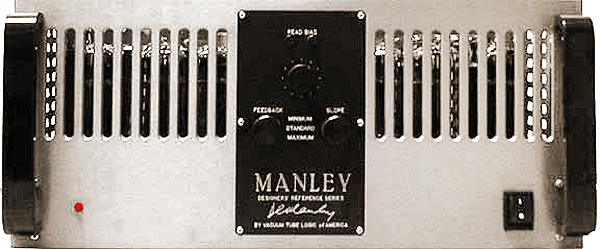
VTL/Manley Reference 350 power amplifier
It's customary to think of "the tube sound" as being warm, rich, weak through the deep bass, fat through the midbass, forward through the midrange, bright through the middle highs, and soft at the extreme top, with superb rendition of depth and spaciousness. The "solid-state sound," by contrast, is generally thought to be cool, detailed, and pristine, with powerful deep bass, controlled midbass, rather reticent (laid-back) midrange and mid-highs, and a somewhat crisp high end, with variable (roulette-style) reproduction of depth and spatiality.
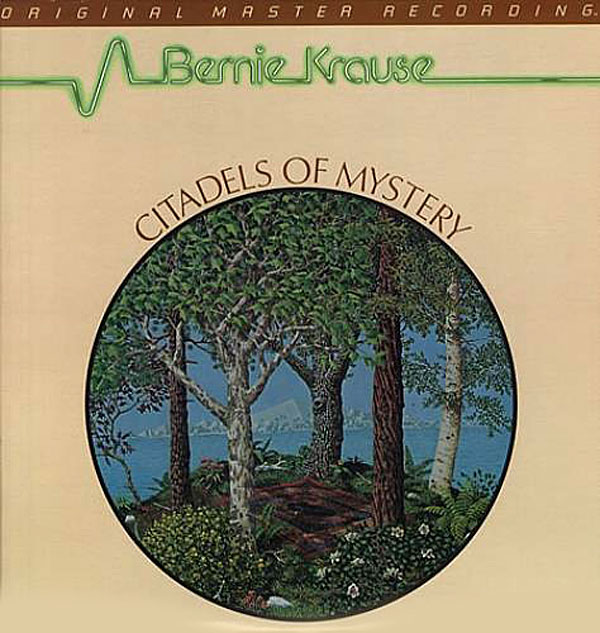
Recording of November 1981: Citadels of Mystery
Mobile Fidelity MFSL 1-505 (LP).
This is a very hyped, contrived recording, but then nobody ever pretended that this kind of musical construction was supposed to approximate the sound of a live performance. The strings are quite steely on this but, in all other respects, the recording is is stupendousunctuously rich, smooth and limpidly clear, with some awesomely taut low end and cuttingly crisp percussion sounds.
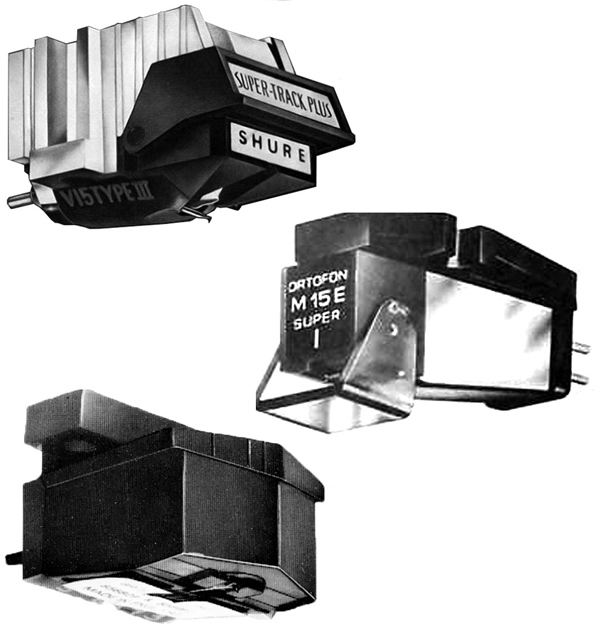
Three Pickups: Which is the Best?
Don't Tell Your Friends!
Editor's Note: The forthcoming August 2017 issue of Stereophile is No.451, but 55 years ago this summer, J. Gordon Holt was putting together the first issue of what initially was to be called The Stereophile. Here is Gordon's editorial leader from that issue, published in November 1962.