Music and Recording Features

Sort By:  Post Date TitlePublish Date

John Doe: Fables of the Post-Reconstruction

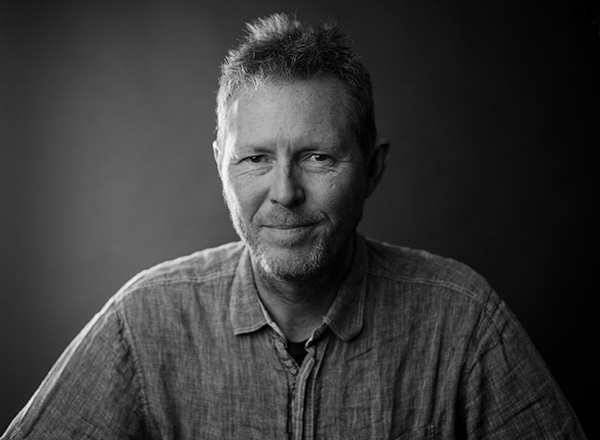
Few people make albums about isolation and loneliness sound as appealing as John Doe does. That's what Doe has achieved with his latest solo release, Fables in a Foreign Land (LP, Fat Possum FP 18001). Set as a song cycle in the 1890s, the album's 13 songs reflect Doe's penchant for dust-and-diesel storytelling, within an acoustic-trio format. It's "telling stories and playing music around the modern campfire," Doe said in an interview.

Brilliant Corners #4: Something Old, Something New, Something Borrowed, Something Blue

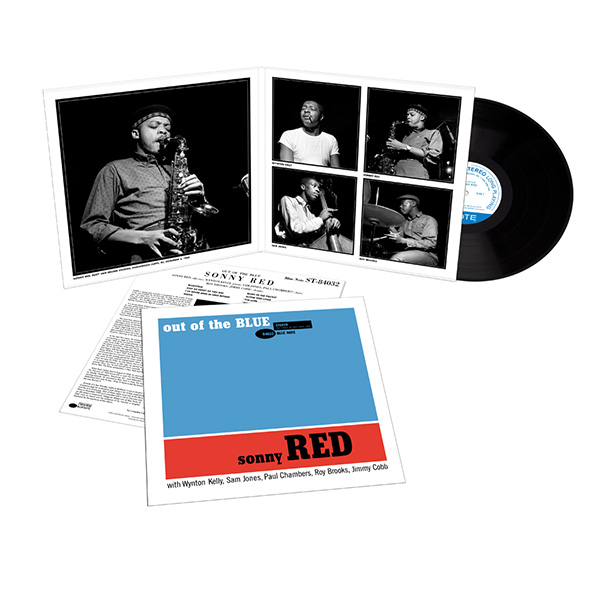
It turns out that PVC, or polyvinyl chloride—the stuff used to make Starbucks gift cards, imitation leather wallets, inflatable pool unicorns, the pipes under your sink, and Billy Idol's pants—is also the main ingredient in phonograph records. And today we're living in the silver age of PVC. Not the golden age, since records are no longer the dominant medium for recorded music, but these days we're lucky to again have access to a remarkable amount of music stamped on top-quality hot plastic.

Better still, as listeners have become more knowledgeable and demanding, vinyl releases have become more scrupulously sourced, pressed, annotated, and packaged. Many of today's records show an unprecedented level of care and transparency about their production—and sound terrific to boot.

Molto Molto—a New Stereophile Album from Sasha Matson

We started issuing recordings on the Stereophile label at the end of the 1980s, both to make available some of test tracks that we were using in our reviews and to enable readers to have access to recordings where the provenance was fully documented. That way the "Circle of Confusion" that Bob Katz discussed on the Stereophile website in 2017, where the sound quality of an audio component couldn't be judged using a recording with unknown sound quality potential, could be avoided. As Bob wrote, "How can any reviewer make a judgment about a transducer without knowing what a recording is supposed to sound like?"

The Beatles Reanimated: The Giles Martin Revolver Remix

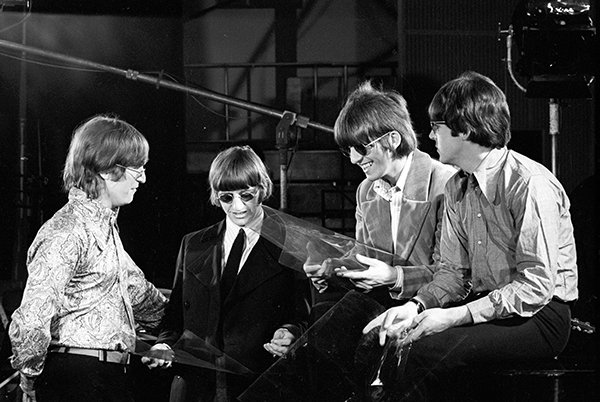
On a warm day in September 2022, alongside 40 or so press colleagues, I was treated to an advance demonstration of the Dolby Atmos mix of The Beatles' Revolver, at Republic Studios on Broadway In New York City's midtown. Producer/mixer Giles Martin—son of original Beatles producer Sir George Martin—was our host. Giles Martin's demeanor was self-deprecating, and he seemed to know all there is to know about the Beatles and their productions. As Martin played songs from Revolver in surround sound, the assembled group seemed amazed by what they heard.

Rachael and Vilray: Carrying a Torch

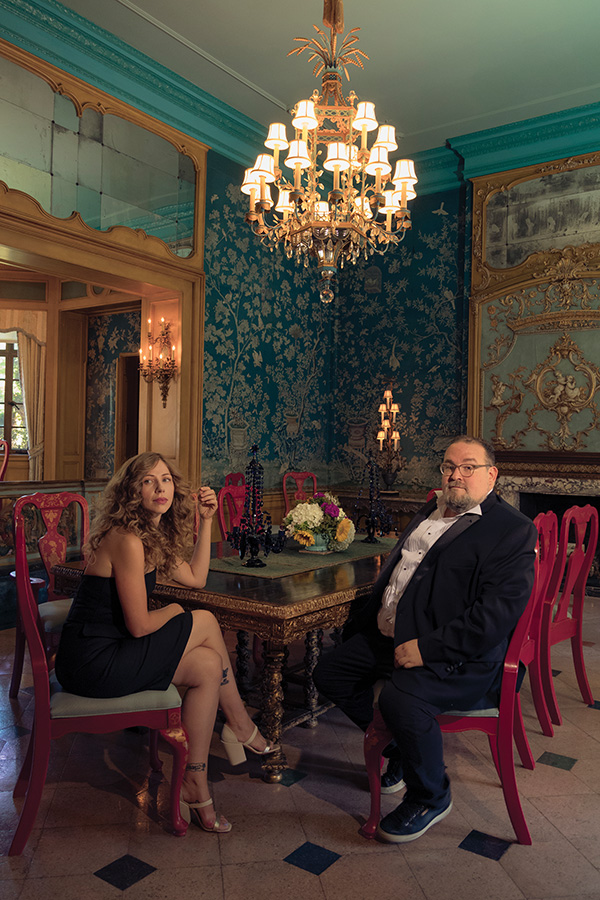
As Vilray Bolles marched down Manhattan's Second Avenue on a rainy afternoon late in 2014, participating in a demonstration against police brutality, he slipped on the wet pavement, fell hard on his right hand, and broke his pinky. For a guitarist, a broken finger can be a major, if not catastrophic, setback. But the gods were smiling on Bolles. He was, in fact, a lapsed guitarist, having all but abandoned hopes of a musical career, and the universe was giving him a nudge, not just back into music but into a collaboration with Rachael Price, one of contemporary pop's great vocalists, who, when she isn't singing cabaret jazz with Bolles, fronts the headlining rock band Lake Street Dive.

Dave Alvin

Dave Alvin is a fighter. In the 1980s, when Dave and his older brother, Phil Alvin, shared studio and stage as co-founders of Los Angeles punkabilly band The Blasters, they frequently fought each other. They also fought musically, tussling over every note as the four-man band wrangled many great tunes. In that respect, their working relationship may have been similar to the sibling push-pull output of Ray and Dave Davies in the Kinks and Liam and Noel Gallagher in Oasis. Consider "American Music," "Marie Marie," and "Border Radio," all from the band's 1981 sophomore album The Blasters, as examples of how internal conflict can lead to successful collaboration.

Melissa Aldana

Bassist Ron Carter, world-renowned musician and most-recorded jazz bassist of all time, said in an interview for Stereophile's Musicians as Audiophiles that he sees himself not just as a bassist but also as a scientist, forever striving to understand and perfect the sound of his recordings. Chile-born saxophonist Melissa Aldana, a stunningly expressive jazz musician, shows similar dedication to her art, studiously investigating the century-long history of the genre.

Somewhere in a Burst of Glory

Tyler Chester was headed south on the I-5 to San Diego, where he would join indie-rock eminence Andrew Bird's road band for a brief tour. Touring is an activity Los Angeles–based Chester pursues with decreasing frequency, he told me in a recent phone chat. After years as a busy sideman and recording-session musician—he is equally proficient on bass, guitar, and keyboards—Chester finds himself spending less and less time as a player and more as a producer.

On The Road Again: Three European Jazz Festivals

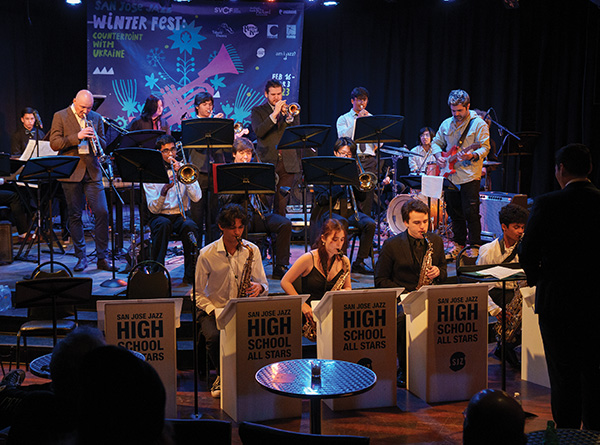
The first European jazz festival I ever attended was in 2006. It was the Umbria Jazz Festival in Perugia, Italy, one of the biggest. Tens of thousands of people overran the cobblestone streets and piazzas of Perugia's old town. The music began before noon and ended long after midnight. At the end of 10 days, I was delirious from joy and sleep deprivation.
Advertisement
Advertisement
Advertisement