DAVID R. ADLER
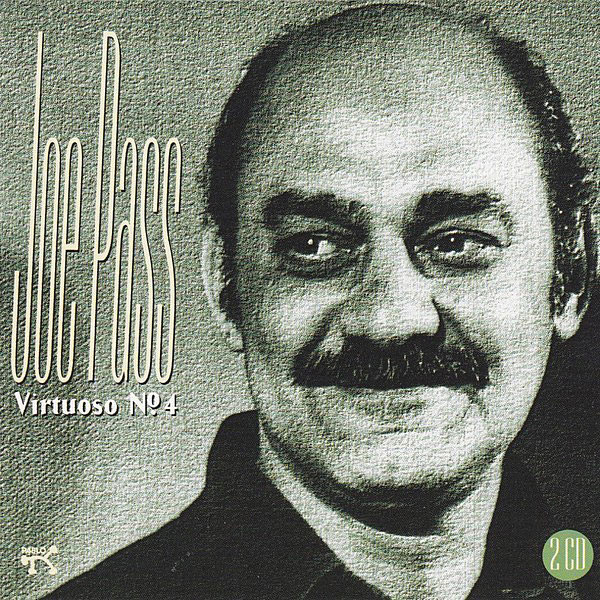 Joe Pass: Virtuoso 4
Joe Pass, acoustic guitar
Pablo 2640-102 (2 LPs). 1983. Norman Granz, prod.; Dennis Sands, eng. AAA. TT: 82:92 This was the first straight-ahead jazz I ever bought: a gatefold double album of unaccompanied guitar, songs my parents knew called "standards." When I heard Pass's rubato meditation on "Lush Life," I wasn't sure it was jazz. In fact, it was Billy Strayhorn, whose thoroughly modern tonal palette I'd learn all about. But Pass, for me, was also Bebop 101, with the finest chord-melody conception and airtight walking bass lines, full of spontaneity and deep swing. I had all four Virtuoso albums, but wore this one out (never knowing it'd been recorded in 1973, 10 years prior to release).
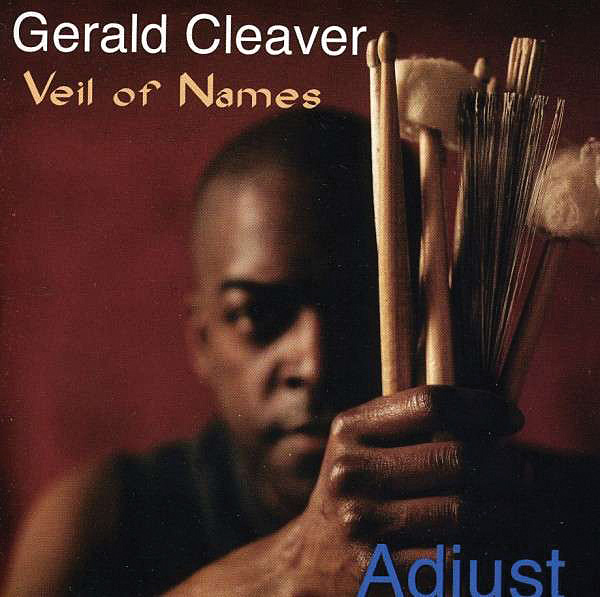 Gerald Cleaver: Adjust
Gerald Cleaver, drums; Andrew Bishop, clarinet, soprano & tenor saxophone; Mat Maneri, viola; Ben Monder, guitar; Craig Taborn, organ, keyboards; Reid Anderson, electric & acoustic bass
Fresh Sound New Talent 112 (CD). 2001. Gerald Cleaver, prod.; Danny Blume, eng. DDD. TT: 55:03
JOHN ATKINSON
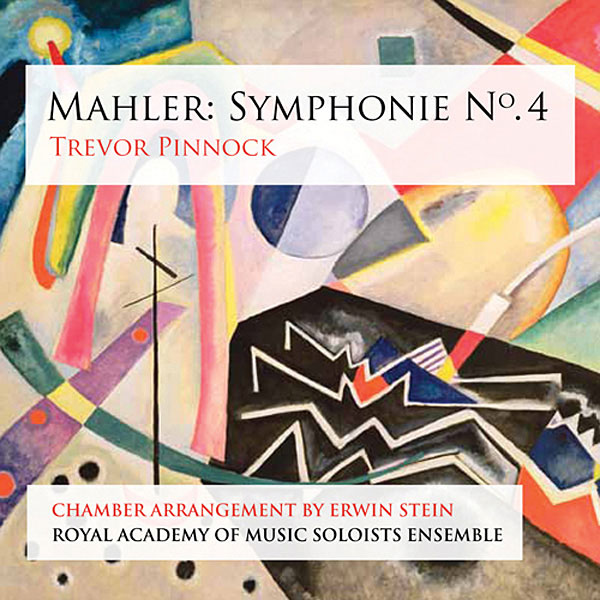 Mahler: Symphony 4
Debussy: Prélude l'àprès-midi d'un faune
Trevor Pinnock, Royal Academy of Music Soloists Ensemble; Sonia Grané, soprano
Linn CKD438 (24/192, 26/96, 16/44.1 ALAC/FLAC files, SACD/CD). 2013. Jonathan Freeman-Attwood, prod.; Philip Hobbs, eng. DDD. TT: 64:38 Although Gustav Mahler scored his symphonies for immense musical forces, much of the time his orchestration is of chamber-music scale. There isn't, therefore, the same cognitive dissonance as there would be, say, for a Bruckner symphony, when you hear this version of his Symphony 4, arranged by Erwin Stein for 14 instruments and soprano and premiered in January 1921 at Arnold Schoenberg's Society for Private Musical Performances. Yes, the textures are leaner, but the clarity of line and the musical transparency, with piano and harmonium providing some of the Viennese-café flavoring, make the original version of this most intimate of Mahler's symphonies sound almost overblown. The delicacy, tinged with portamenti, with which the solo violin launches into its melody at the beginning and end of the first movement is addictive. The highlight is the third movement, with first solo cello, then solo violin, then solo oboe each drawing out the languorous line, underpinned by a gruffly plucked double bass, evoking memories of a vanished pre–World War society. Benno Sachs's reduction of the Debussy work, which takes on the sonority of Ravel's Introduction and Allegro, is not quite as convincing as the Mahler on first listen, but grows with familiarity. The recording quality is up to Philip Hobbs's usual standard, with a close perspective that doesn't cross the line into aggressiveness.
 Beethoven: Violin Sonata 10 in G, Op.96
Enescu: Violin Sonata 3, Op.25 (In Romanian Style)
David Abel, violin; Julie Steinberg, piano
Wilson Audiophile W-8315 (LP, 24/88.2 or 24/176 download, FLAC, ALAC, AIFF, WAV [hi-rez], MP3 [16/44.1 only]). 1983/2013. David Wilson, prod., eng.; Bruce Leek, LP mastering; Bruce Brown, digital remastering. AAA/AAD. TT: 52:43 I mentioned this recording in our very first "Records To Die For" feature, in January 1991. The LP, recorded by Wilson Audio Specialties' founder and president, David Wilson, using a modified ReVox A77 tape deck and a pair of Schoeps omnidirectional microphones, has been in heavy rotation chez moi ever since. Its reappearance in late 2013 as a hi-rez download triggered its inclusion in this year's listing. In his February 1984 review, J. Gordon Holt described this recording as "an audiophile recording of real music that isn't bombastic, overblown, or high-powered," offering "sound so completely and disarmingly natural that after 30 seconds you're unaware it's reproduced." I don't have much to add—both David Abel's 1719 Guarneri violin and Julie Steinberg's Hamburg Steinway have been captured with superbly natural tone colors, enveloped in and supported by the warmly intimate ambience of the Mills College Concert Hall. And the performances are definitive; the interplay between violin and piano at the start of the Beethoven as they toss a melodic fragment to one another is almost telepathic in its shared intensity. You can find an audio interview with Dave Wilson about how he made this recording, as well as a list of online sources for the files, here (VII-2).
ROBERT BAIRD
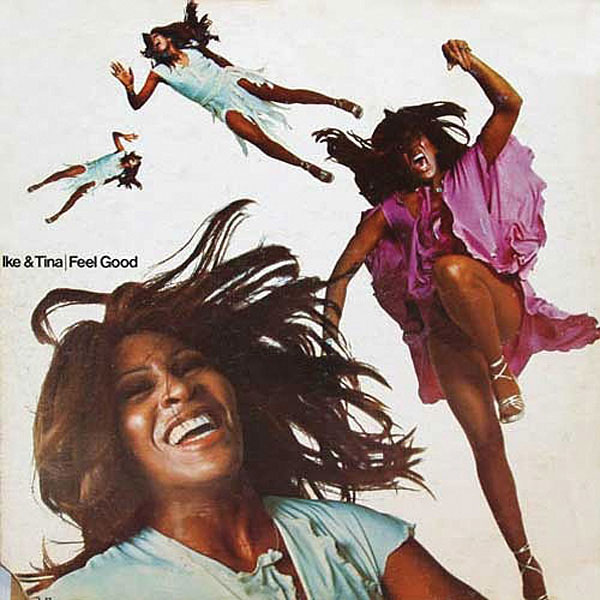 Ike & Tina: Feel Good
United Artists/Pure Pleasure PPAN UAS5598 (180gm LP). 1972/2013. Ike Turner, prod., eng.; Gerhard Augustin, prod.; Barry Keene, Jim Saunders, engs. AAA. TT: 25:76
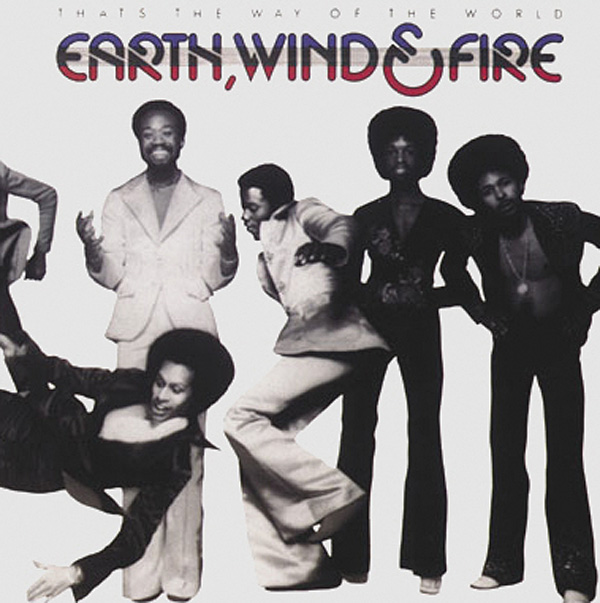 Earth, Wind & Fire: That's the Way of the World
Columbia/Speakers Corner PC33280 (180gm LP). 1975/2013. Maurice White, Charles Stepney, prods.; George Massenburg, eng. AAA. TT: 34:75
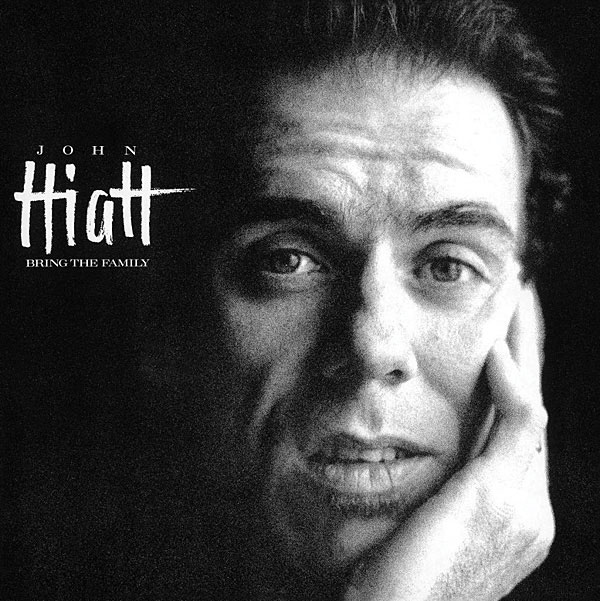 John Hiatt: Bring the Family
A&M/Music on Vinyl MOVLP786 (180gm LP). 1987/2013. John Chelew, prod.; Larry Hirsch, eng.; Joe Schiff, asst. eng. AAA. TT: 44:06 As invisible hordes of flying insects armed with phono needles for stingers infect more and more young music fans with the vinyl lifestyle, older music fans are also beginning to own a relapse into the old sickness. This means digging in stores and trolling eBay, but also luxuriating in the flood of high-quality reissue pressings coming from a number of audiophile labels, headed by US mainstays Mobile Fidelity, Friday Music, Sundazed, Audio Fidelity, and Analogue Productions. While there will be more about those two in upcoming issues, my focus here is on three European labels: Pure Pleasure (UK), Speakers Corner (Germany), and Music on Vinyl (Netherlands).
LARRY BIRNBAUM
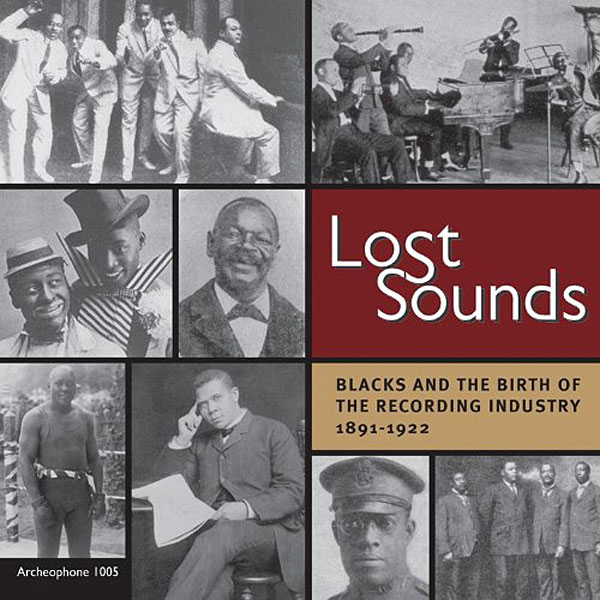 Various Artists: Lost Sounds: Blacks and the Birth of the Recording Industry 1891–1922
Archeophone ARCH 1005 (2 mono CDs). 1891–1922/2005. Richard Martin, prod., remastering; Meagan Hennessey, remastering. AAD. TT: 2:34:06 This companion to Tim Brooks's book of virtually the same title exposes a musical era that has been almost forgotten, perhaps because it was rife with racial stereotypes. Of the double album's four sections, one focuses primarily on the first black recording artist, the whistling and laughing singer George W. Johnson, while another includes classical music and earnest speeches. A third section consists mainly of lively ragtime and blues tunes played by once-renowned figures such as Wilbur Sweatman, Ford Dabney, and James Reese Europe. It's all fascinating, but most satisfying is the section on harmony singing, with radiant tracks such as "Little David Play on Your Harp/Shout All Over God's Heaven," by the Fisk University Jubilee Quartet. Roscoe Mitchell Sextet: Sound
Roscoe Mitchell, alto saxophone, clarinet, recorder, etc.; Maurice McIntyre, tenor saxophone; Lester Bowie, trumpet, flugelhorn, harmonica; Lester Lashley, trombone, cello; Malachi Favors, bass; Alvin Fielder, drums
Delmark DE-408 (CD). 1966/1996. Bob Koester, prod.; Steve Wagner, eng. ADD. TT: 67:40
ARIEL BITRAN
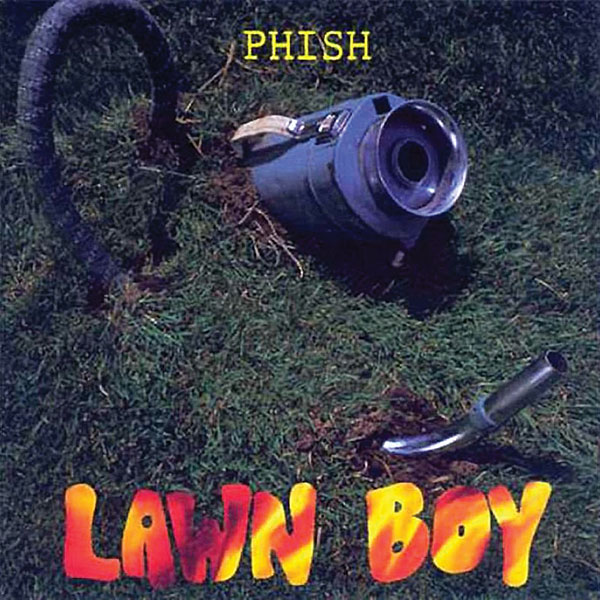 Phish: Lawn Boy
Jemp 1077 (180gm LP). 1990/2013. Phish, prods.; Dan Archer, Dean LaBrie, engs.; Chris Bellman, remastering. AAA. TT: 47:49 My editor is going to kill me for writing again about Phish in R2D4, but my reason for discussing Lawn Boy is much less about the album's soul-ascending jams or heavy-metal screams and much more about this remastering, released on 180gm LP on April 21, 2013. It includes a bevy of blown-up and very goofy unreleased press pictures, lyrics in big yellow type, and, most important, a spectacular remastering of the music by Chris Bellman, of Bernie Grundman Mastering. Page McConnell's piano sparkles with his light touch. Trey Anastasio's feedback has an extra bit of gnarl. The blackness between the grooves in the breakdown of "Reba" is 10' deep. I've listened to Lawn Boy on CD—mastered by Bob Ludwig—for 16 years of my life. Now, I feel as if I'm starting all over.
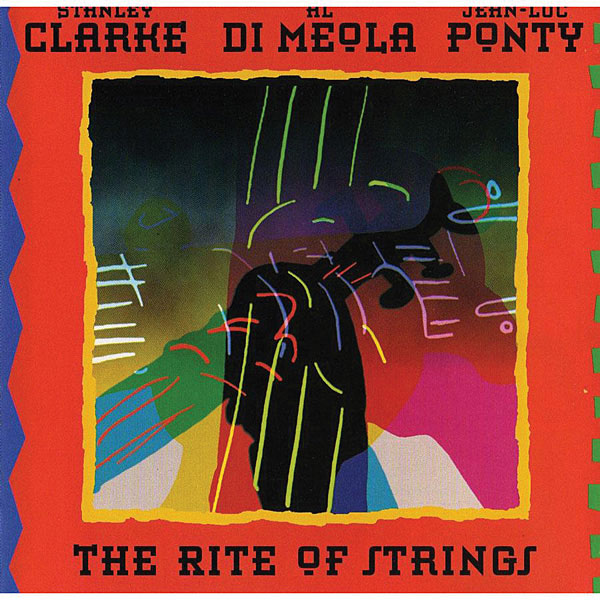 Stanley Clarke, Al Di Meola, Jean-Luc Ponty: The Rite of Strings
Jean-Luc Ponty, violin; Al Di Meola, guitar; Stanley Clarke, bass
Gai Saber 7243 8 34167 2 1 (CD). 1995. Stanley Clarke, Al Di Meola, Jean-Luc Ponty, prods.; Dennis Mac Kay, Jeff Graham, engs. DDD? TT: 55:35 A gathering of virtuosi can often result in a barrage of wanking that will drive away any listener interested in the art of expression. But when the masters put their egos aside and focus on the composition, the results can be marvelous, as can be heard in The Rite of Strings. Having seen Stanley Clarke multiple times live, I can attest that the man loves to solo, but his bowed and plucked bass playing on RoS is selfless and pondering. Al Di Meola, resident jazz shredder, shines as a rhythm guitarist with his fast, flamenco-like jabs and mellow inversions. Jean-Luc Ponty is a master of both the blues scale and hair-raising textures on his wailing violin. As a unit, their timing is deft, their harmonies ecstatic or mournful.
THOMAS CONRAD
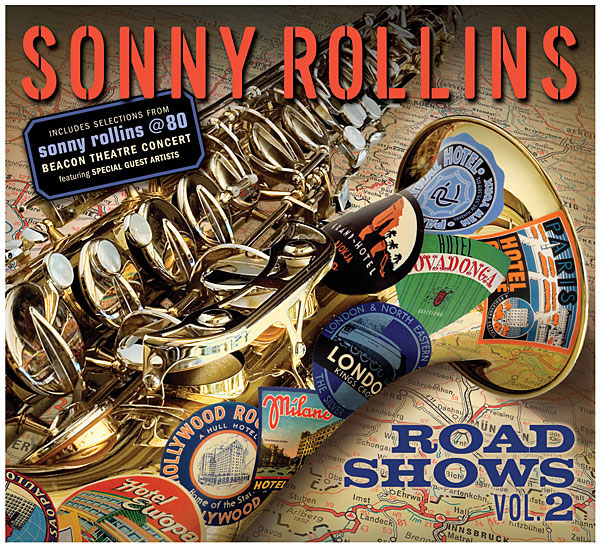 Sonny Rollins: Road Shows, Vol.2
Sonny Rollins, tenor saxophone; Roy Hargrove, trumpet; Christian McBride, bass; seven others
Doxy B0015949-02 (CD). 2011. Sonny Rollins, prod.; Richard Corsello, prod., eng. DDD. TT: 66:14
Art Pepper, alto saxophone, clarinet; Milcho Leviev, piano; Tony Dumas, bass; Carl Burnett, drums
Widow's Taste APM 1101 (4 CDs). 1980/2011. Peter Bould, prod., eng.; Peter Ball, Graham Ward, engs. ADD. TT: 4:46:00 Laurie Pepper is Art Pepper's widow. There are now eight volumes in the Unreleased Art series on her label, Widow's Taste. They rescue lost music by a great jazz musician in danger of being forgotten. Most volumes have compromised sound because they are soundboard or audience tapes. Vol. VI is where to go first, because it was professionally recorded at Ronnie Scott's, in London, and because Pepper is beside himself. He does filthy, kicking, start-and-stop blues like the title track. He burns down "I'll Remember April," twice. He does ballads ("Goodbye," "What's New?") as if he's wrenching them from himself, two years from the end of his very hard life.