

James Taylor: an American Standard
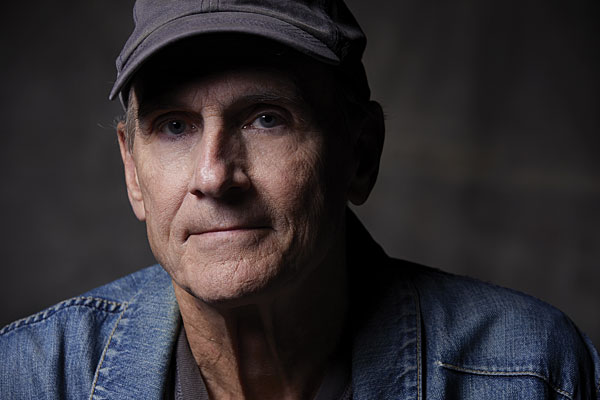
On iconic singer-songwriter James Taylor's 20th album, American Standard, the lanky crooner adapts the classic American songbook to his easy-rolling musical ways. The result is an American mixture of timeless songcraft.
Where some popular singers use the songbook canon to increase record and ticket sales, Taylor has no need to change himself or increase his audience. He's as comfortable as any man can be, having sold many millions of records the world over for almost 50 years.
Jay Jay French: Twisted Business: Lessons from My Life in Rock'n'Roll
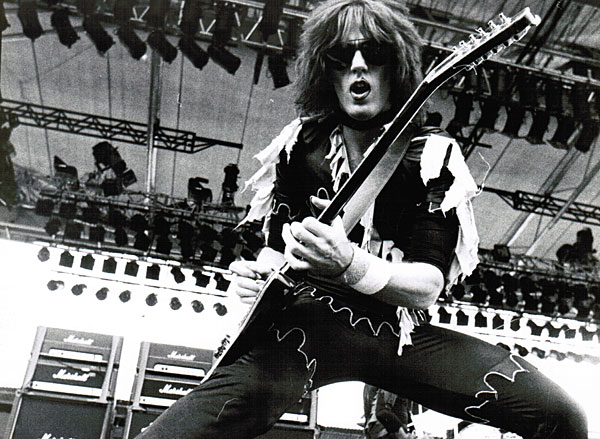
Jay Jay French has a book out, but it's not what you might think, or not exactly.
French earned fame in the 1980s as the lead guitarist for transvestite metal band Twisted Sister, which produced some of the most recognizableand widely licensedrock music in history: "We're Not Gonna Take It." "I Wanna Rock."
Jazz at a Dark Moment: the 2023 San Jose Jazz Winter Fest
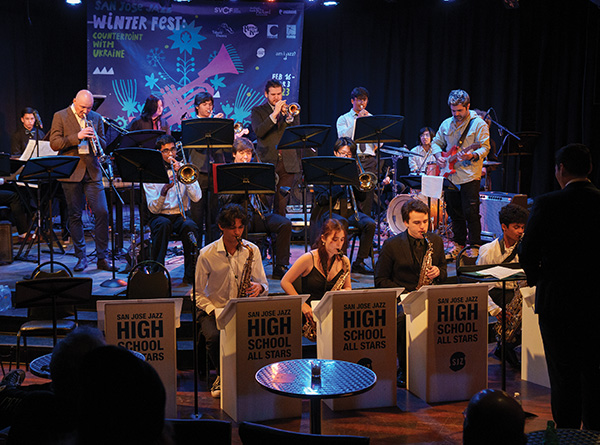
Jazz emerged from the African-American experience in the United States, so it is not surprising that it has been socially relevant since its earliest manifestations. Sonny Rollins put the matter succinctly: "jazz is protest music."
In 1923, Bessie Smith sang songs based on her experience of racism and sexism. In 1939, Billie Holiday recorded "Strange Fruit," a chilling song about a lynching. Charles Mingus's 1959 classic "Fables of Faubus" secured a permanent place in music history for the segregationist governor of Arkansas; thanks to Mingus, among jazz fans at least, the name "Orval Faubus" will ever be synonymous with bigotry.
But if social activism is nothing new in jazz, it has never been so prevalent as it is today. At some point in the new millennium, it began to feel like every new jazz album had to have at least one overtly political track. The reasons for this development may lie in the extreme political polarization of our society. The divisiveness of the Trump Era forced everyone, including artists, to choose sides.
But the ways jazz has woven itself into contemporary history go far beyond standoffs between progressives and conservatives . . .
Jazz Without the Poverty: The Jazz Cruise Rides the Waves in Style
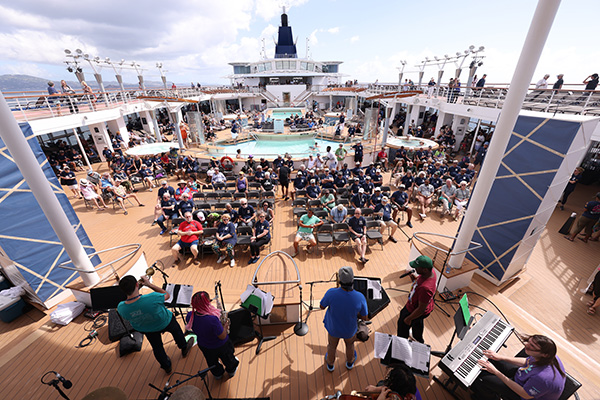
The Jazz House All-Stars. All Photos: John Abbott Photography c/o Jazz Cruises
Jazz leads a hand-to-mouth existence. It was born in the red light district of New Orleans in the early 20th Century, and has never fully overcome its disreputable origins. Jazz lacks the support from governments, foundations, and rich donors that other, more decorous art forms enjoy. Jazz is too much of the street to be considered high culture, yet its audience is tiny compared to the masses who consume popular music. Pop stars like Taylor Swift perform in huge stadiums. Important jazz musicians play the Bar Bayeux in Brooklyn.Jean-Michel Jarre: Organic meets Electronic

"I have an organic approach toward music but I've always been interested in electronics," says Jean-Michel Jarre, whose luxurious electronic pop conquered the world in 1976 with his hit album Oxygène. Even today, Oxygène's bubbling tones and saturated textures provide a blissful sonic experience. "I love jazz because of its organic approach to sound, and I've been influenced by that. I always thought that jazz and electronic music have much more in common than we think."
Jeff Tweedy: Wilco's Midwestern Yankee Embraces a Country Court
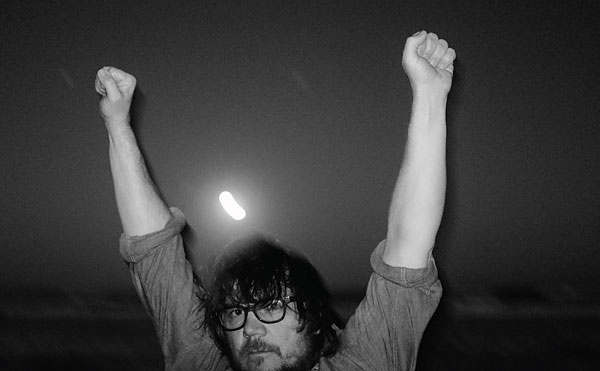
Jeff Tweedy is an artist who transcends time. Waitlet me clarify that. Tweedy, the multi-hyphenate singer, songwriter, guitarist, and co-producer for the midwestern-bred alt-rocking Americana band Wilco, has spent the bulk of his career creating music that crosses the divides between past, present, and future.
Jim Campilongo: Telecaster Master & Audio Enthusiast

In a 2014 profile in the New Yorker, Paul Elie, author of the book Reinventing Bach, wrote, "There it was again: the stinging treble, the spooky overtones, the strings snapping and booming under his handsthe sound of a Tele being played as skillfully and exuberantly as it can be played."
The musician in question was Jim Campilongo . . .
Joanna Newsom: Kingdom of the Harp
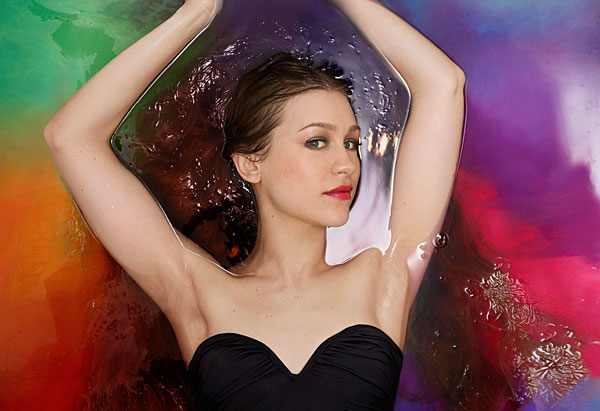
Talk dirty to me!
"I had to master this record 11 times to get it to sound the way I wanted," Joanna Newsom growled with the knowing grit of someone who's worked through a sonic ordeal.
"Instead of test pressings, we had test lacquers for this one."
"I have no way to listen to music digitally in my house."
Oooh, baby!
At a time when the future of print is troubled, Newsom can make even a magazine editor feel slightly more secure.
"I love your magazine. I love your publication."
Joe Lovano: a Far Out Fugue
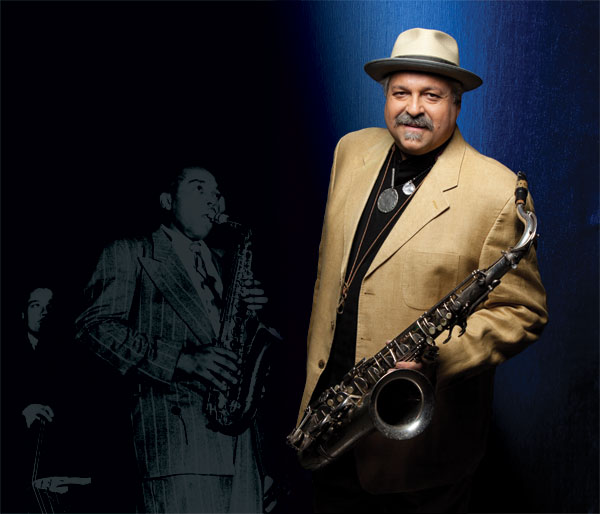
Whistling ductwork, whirring fans, murmuring pipesalong with being jazz's most storied location, a living shrine to the memories of Bill Evans, John Coltrane, and so many others, Manhattan's Village Vanguard, on Seventh Avenue South, was, on this winter's night, the Das Boot of jazz. In every corner, every stairwell, every square foot of available backstage space, some kind of furnace machinery audibly ground, banged, and/or wheezed away.
John Adams
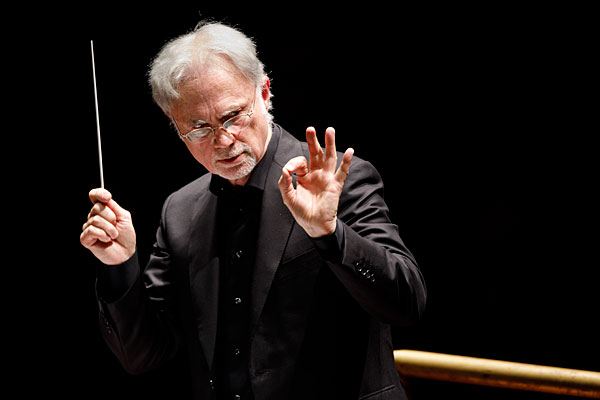
American composer John Adams and I first met in the late 1970s, when I became one of his composition students at the San Francisco Conservatory of Music. My recollections from those days endure as near-cinematic images: John lugging his homemade synthesizerhe called it "the Studebaker"down the hall prior to meeting me at his office; an early performance, at Mills College in Oakland, of Adams's Shaker Loops (footnote 1) for string septet; sitting with Adams during rehearsals for the 1981 premiere of his choral symphony Harmonium (footnote 2), with Edo De Waart and the San Francisco Symphony.