

Book Reviews: Jim Morrison Memoirs
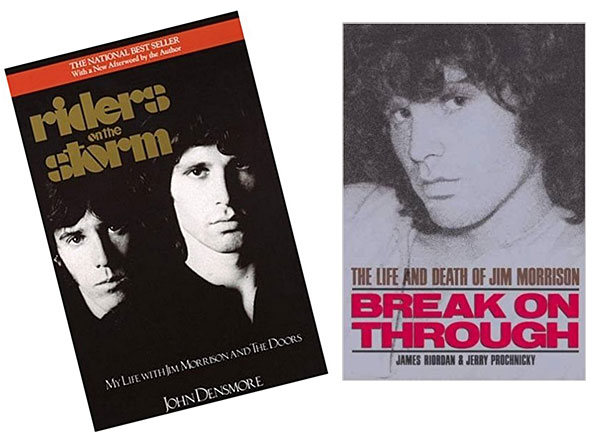
Break On Through: The Life and Death of Jim Morrison by James Riordan and Jerry Prochnicky
544 pages, $20 hardcover. Published by William Morrow & Co., Inc., 1350 Avenue of the Americas, New York, NY 10019. Riders on the Storm: My Life with Jim Morrison and The Doors by John Densmore
319 pages, $19.95 hardcover. Published by Delacorte Press, 666 Fifth Avenue, New York, NY 10103. With at least six books on Jim Morrison and The Doors now on the shelves, five published within the last year to take advantage of tie-in sales on the flowing, copious coattails of Oliver Stone's powerful film, The Doors, you'd think one of them, at least, might approach "very good," "excellent," even "definitive." Not so.
544 pages, $20 hardcover. Published by William Morrow & Co., Inc., 1350 Avenue of the Americas, New York, NY 10019. Riders on the Storm: My Life with Jim Morrison and The Doors by John Densmore
319 pages, $19.95 hardcover. Published by Delacorte Press, 666 Fifth Avenue, New York, NY 10103. With at least six books on Jim Morrison and The Doors now on the shelves, five published within the last year to take advantage of tie-in sales on the flowing, copious coattails of Oliver Stone's powerful film, The Doors, you'd think one of them, at least, might approach "very good," "excellent," even "definitive." Not so.
Book/Music Review: Excavated Shellac: An Alternate History of the World's Music

Jonathan Ward, a historian of recorded sound, has some surprising news. Thousands of early 78rpm recordings were made not to preserve music but as disposable materials for selling gramophones. With manufacturers hoping to expand their sales globally, demo records featured regional music aimed at appealing to regional.
Branford Marsalis: Listening with Sonic Ears
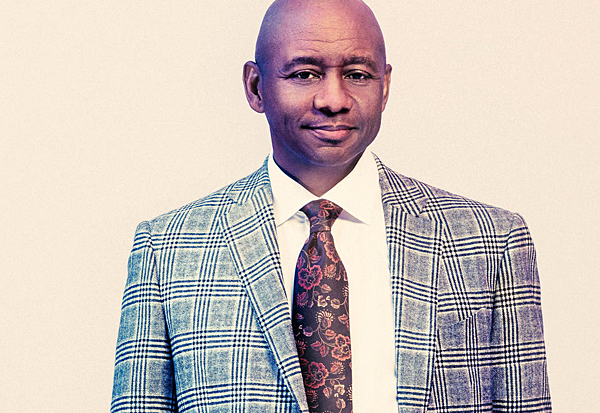
Louisiana-born, 58-year-old saxophonist Branford Marsalis has achieved singular status in the worlds of both jazz and classical music. He cut his teeth playing hard-hitting hard bop with Art Blakey's Jazz Messengers, led The Tonight Show band, and kicked it with the Grateful Dead. He's toured and recorded with Sting, costarred in the Spike Lee film School Daze (1988), and made his classical debut with the New York Philharmonic performing Glazunov's Concerto for Alto Saxophone on Central Park's Great Lawn.
Brian's Song: the Beach Boys Remastered in Stereo

All band photos copyright Capitol Photo Archives
Although there was a fall chill in the air, the front windows were open, and the sounds of perhaps the greatest Beach Boys ballad of all wafted into the Massachusetts night.
Perched on the edge of the couch, dear friend and Stereophile contributing music editor David Sokolformer editor-in-chief of New Country and Disney magazines, a man who's written about music for over 40 years and has yet to lose his passion for the stuffwas waxing poetic and weeping, ever so slightly, as the room filled with the intricate mix of voices that is "Kiss Me, Baby."Brilliant Corners #11: Willie and Merle

I said to Hank Williams, how lonely does it get?
Hank Williams hasn't answered yet
But I hear him coughing all night long
Oh, a hundred floors above me in the tower of song
Leonard Cohen, "Tower of Song" When I was a child growing up in Moscow in the 1970s, our pop-musical landscape was dominated by the so-called bards. They were Soviet counterparts to singer-songwriters from the West, and they sang literate, knowing lyrics while accompanying themselves on acoustic guitars. Even the word used to describe thembard'iwas adapted from English. And because they sometimes sang about aspects of day-to-day life that were off limits in public, their music rarely appeared on records and was circulated mostly on fuzzy-sounding homemade tapes. The best known among the bards were a Georgian-Armenian poet named Bulat Okudjavawho sang sentimental ballads about (chaste) romantic love, childhood friends, and The Great Patriotic Warand an altogether more daring performer named Vladimir Vysotsky.
Hank Williams hasn't answered yet
But I hear him coughing all night long
Oh, a hundred floors above me in the tower of song
Leonard Cohen, "Tower of Song" When I was a child growing up in Moscow in the 1970s, our pop-musical landscape was dominated by the so-called bards. They were Soviet counterparts to singer-songwriters from the West, and they sang literate, knowing lyrics while accompanying themselves on acoustic guitars. Even the word used to describe thembard'iwas adapted from English. And because they sometimes sang about aspects of day-to-day life that were off limits in public, their music rarely appeared on records and was circulated mostly on fuzzy-sounding homemade tapes. The best known among the bards were a Georgian-Armenian poet named Bulat Okudjavawho sang sentimental ballads about (chaste) romantic love, childhood friends, and The Great Patriotic Warand an altogether more daring performer named Vladimir Vysotsky.
Brilliant Corners #30: disco é cultura

"Art is the only political power," the artist Joseph Beuys once said. If only it were true. Often, when power is wielded against an entire people with enough brutality and efficiency, it reduces the culture to a sickening silence, leaving room only for state-sponsored propaganda. Think of the Soviet Union under Stalin, or Germany during the Third Reich. But in other, rarer cases, repression is met with an efflorescence of great art, like a charred field welling up into a riot of wildflowers.
Brilliant Corners #4: Something Old, Something New, Something Borrowed, Something Blue
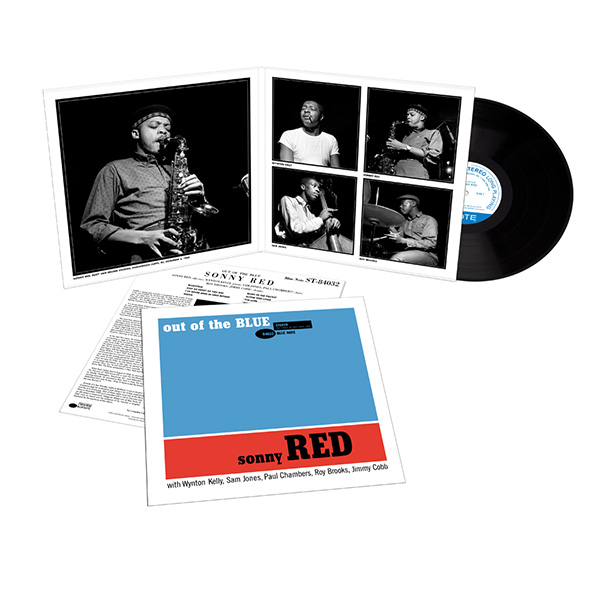
It turns out that PVC, or polyvinyl chloridethe stuff used to make Starbucks gift cards, imitation leather wallets, inflatable pool unicorns, the pipes under your sink, and Billy Idol's pantsis also the main ingredient in phonograph records. And today we're living in the silver age of PVC. Not the golden age, since records are no longer the dominant medium for recorded music, but these days we're lucky to again have access to a remarkable amount of music stamped on top-quality hot plastic.
Better still, as listeners have become more knowledgeable and demanding, vinyl releases have become more scrupulously sourced, pressed, annotated, and packaged. Many of today's records show an unprecedented level of care and transparency about their productionand sound terrific to boot.
Brooklyn Rider: Lucid Flight

Is classical music really on the ropes? Living in New York City, it's easy to think that is a myth cooked up in the provinces.
Recently, at a performance of the Metropolitan Opera's fabulous current production of Jacques Offenbach's The Tales of Hoffmann, directed by Bartlett Sher, I experienced Classical Music 2017 up close and personal. In the audience, multicolored sequined jackets and cheetah-print slip-on sneakers mixed with tuxedos. Merrell hiking shoes and Patagonia down jackets crossed with slim-fit outfits from Billy Reid and Hermes bags. Between bravura tenor Vittorio Grigolo in the title role and soprano Erin Morley's absolutely wonderful portrayal of the doll, Olympia (Bravo!!!), it was a performance for the ages. None of the recordings I've heard come close.
Bruckner: Symphony 9 (with Finale)

This reconstruction of the Ninth's Finale is the result of 30 years' work by Bruckner scholars Nicola Samale, John A. Phillips, Benjamin-Gunnar Cohrs, and Giuseppe Mazzuca (SPCM). (See March 2010 feature story.) For this new "Conclusive Revised Edition 2012," SPCM shortened by 18 bars the coda, of which little of Bruckner's writing survives, and reworked it to include, based on Bruckner's description, a development of the trumpets' "Alleluia" in bar five of the Adagio. This works well, though the coda now seems a bit short. A further "final" edition is in the works.
Bruckner's Symphony No.9: Finally, a Finale?

I know of only one composer who measures up to Beethoven, and that is Bruckner.—Richard Wagner, 1882