Music and Recording Features

Sort By: Post DateTitle Publish Date

When Britain Went Postal: a Post-Punk Survey

Few would have predicted that the Sex Pistols' first gig—in November 1975, at the Saint Martin's School of Art in central London—would be the start of an explosion of music. Not many even knew it was happening. That soon changed. Punk would create a space that other bands rushed to fill. Inspired by the DIY ethos and the rejection of the notion that pop music had to be a 30-minute conceptual track on the lives of elves, punk was just grab an instrument and form a band.
Revinylization #3: Analogue Productions, Blue Rose Music, Mobile Fidelity

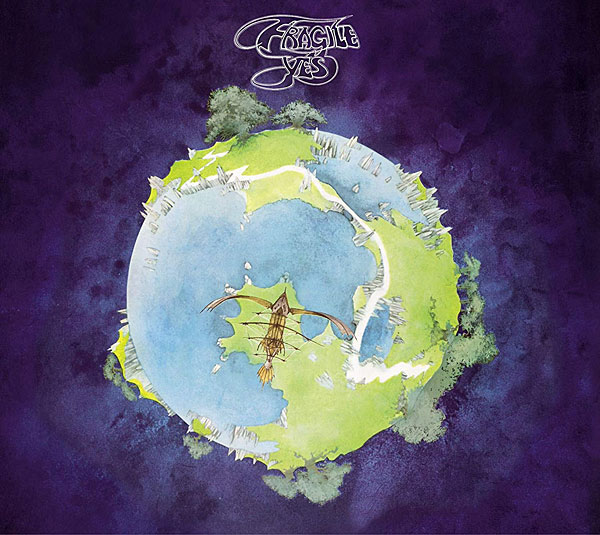
In the January 2020 Stereophile, I described my transformation from John Fahey skeptic to John Fahey fan; suffice it to say, the late guitarist was far from the only musical artist whose work I came to enjoy only after a number of failed attempts. Another was the English band Yes, which I saw in concert in 1977, at New York's Madison Square Garden: I was so bored by the many lengthy instrumental solos, each one remarkable only for the sheer number of notes being squirted at me, that I literally nodded off. (In my defense, it was also very warm in there.)

Welcome to the EDM Jungle

In the mid-1990s, record labels were cash-flush and music magazines plentiful. Warner Bros., Capitol, Universal, Mercury, RCA, Arista, Mute, and Astralwerks shuttled US-based music journalists across the Atlantic to cover England's burgeoning Britpop, trip hop, drum and bass, and techno music scenes. The latter three genres were hailed by the press as the "electronic dance music revolution."

Revinylization #2: Frog Pad Records, Electric Recording Company, Blue Note Tone Poet

Next to Christmas carols, Sousa marches, and the collected works of Bobby "Boris" Pickett, there's no more seasonal music than bluegrass, which comes to life at the 30 or so major outdoor festivals and scores of smaller events that take place every summer throughout the US. As I write this, on the day after Thanksgiving, 2019's bluegrass season is only a memory, and the 2020 season is more than a half a year away.

Bill Frisell: New Ideas in Old Songs

Of the celebrated triumvirate of John Scofield, Pat Metheny, and Bill Frisell—the most original and influential jazz guitarists of the past 50 years—none is more distinctive, or self-effacing, than Frisell, a true changeling of the guitar. Frisell is a jazz-based musician, but his music crisscrosses genres, and his guitar playing isn't bound to or limited by a specific technique. He's a master illusionist, able to alter a song's meaning far beyond its original intent with the aid of a Telecaster guitar, a modest effects chain, and, most importantly, his rich imagination.

The Clash: Still Calling

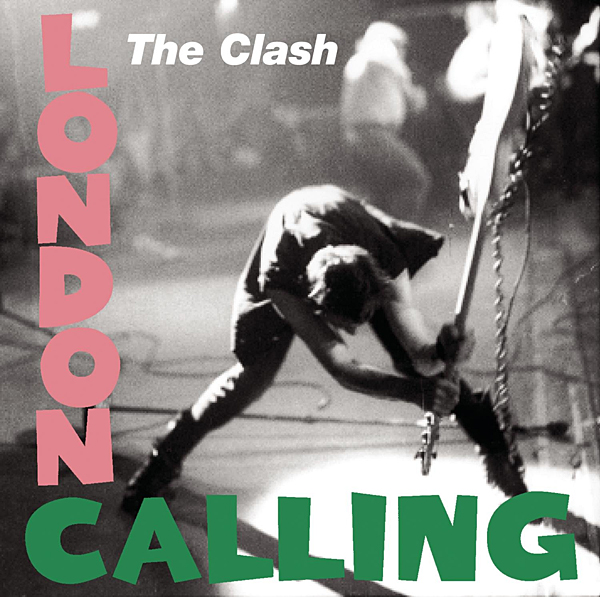
It's not just the gray hairs or the expanding waistline that suggest one is getting old: it's also when the albums you love so much, and so vividly remember hearing for the first time, have become a part of the rock heritage industry. So it is with London Calling by the Clash, which celebrates its 40th birthday in December 2019.

Manfred Eicher: "You Can't Record Everybody"

There has never been a record producer like Manfred Eicher, founder and sole proprietor of ECM records, the German-based jazz (and sometimes classical) label that celebrates its 50th anniversary this month.


Eicher doesn't quite win the all-time prize for longevity. Edward Lewis started Decca (UK) in 1929 and owned it until 1980. David Sarnoff controlled RCA from 1919–1970. William Paley did the same at Columbia from 1938-1988. But unlike those other, financially heftier titans, who deferred to department heads and studio producers, Eicher has supervised every single one of ECM's albums—more than 1600 of them.

Beethoven for Four, in All Its Glory

As the 250th anniversary of the birth of Ludwig van Beethoven approaches, artists worldwide have begun issuing complete recordings of his oeuvre. At the top of a fast-growing list, three stand out: Andris Nelsons' recording of Beethoven's nine symphonies with the Wiener Philarmoniker (Decca), Igor Levit's issue of Beethoven's Complete Piano Sonatas (Sony), and the subject of this review, the Miró Quartet's 8-CD set of Beethoven's Complete String Quartets (Pentatone PTC5186827).
Advertisement
Advertisement
Advertisement