Features

Sort By:  Post Date TitlePublish Date

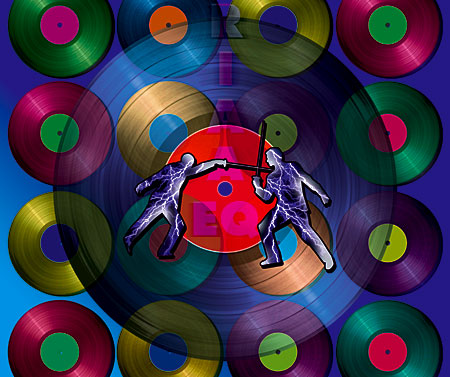
Cut and Thrust: RIAA LP Equalization

Until the Recording Industry Association of America hit the headlines in recent years with its antipiracy campaign, the initials RIAA meant one thing to seasoned audiophiles: the vinyl-disc equalization characteristic introduced in the 1950s to standardize what had previously been an anarchy of different EQs. Three decades later, as CD gained ascendance, a large proportion of audiophiles still knew what RIAA equalization was, and a good number of them had some idea or better of what the RIAA EQ curve looked like, and why it was applied.

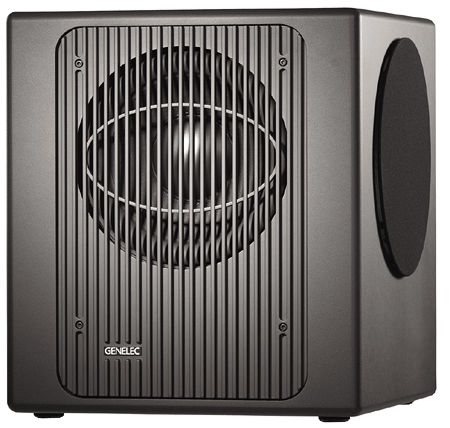
The Science of Subwoofing

There was a time, as recently as 40 years ago, when frequencies below 100Hz were considered extreme lows, and reproduction below 50Hz was about as common as the unicorn. From our present technological perch, it's too easy to smirk condescendingly at such primitive conditions. But just so you're able to sympathize with the plight of these disadvantaged audiophiles, I should tell you that there were two perfectly good reasons for this parlous state of affairs. First of all, program material at that time was devoid of deep bass; not because it was removed during disc mastering but simply because there wasn't any to begin with. The professional tape recorders of the day featured a frequency response of 50–15kHz, ±2dB—just about on a par with the frequency performance capability of a cheap 1988 cassette tape deck.

Between the Ears: the art and science of measuring headphones

Headphones get pretty short shrift in much of the hi-fi press, which is puzzling—the headphone market is burgeoning. I don't know what the equivalent US figures are, but in recent years the UK headphone market has increased by an annual 15–20% in both units sold and overall revenue. It's easy to dismiss this as a natural byproduct of the Apple iPod phenomenon, but 20% of the market value is now accounted for by headphones costing over $120; a significant subset of consumers would seem to be looking for quality. When you also consider that many people's first exposure to higher-quality audio comes via headphones, there is ample reason for treating them more seriously.

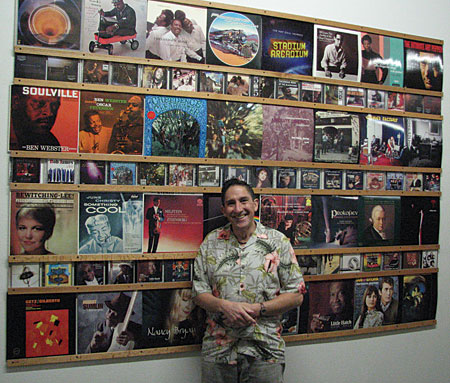
A Visit to RTI & Acoustech

It's said that your first experience on entering a space sets the tone for all that follows. At LP pressing plant Record Technology, Inc. (RTI), that experience is my encounter with veteran pressman Richard Lopez, who responds to my request for direction. As he leaves his vintage record press to lead me to owner Don MacInnis, Lopez reads aloud the sticker on a box of recently pressed LPs. "WORLD'S FINEST PHONOGRAPH RECORDS," he declares with pride. As I reflect on how few workers today feel so connected to the products they make, I sense that something special lies ahead.

Installing a Dedicated AC Line

The most important change made to the system was one that held up the writing of my review of the Mark">http://www.stereophile.com/solidpoweramps/991ml23">Mark Levinson No.23.5 power amplifier for several months, such was its anticipated impact. Though my listening room is well-equipped with wall sockets, there are actually only two 15A circuits serving these outlets. Ever since I had converted what had hitherto been our house's master bedroom into my listening room, I had intended to run new circuits to it.

Luke Manley and Bea Lam of VTL: Vital Sound

Our meeting was propitious and totally unexpected. The locus was Los Angeles' Sheraton Gateway Hotel last May, on which we had all descended for Home Entertainment 2006. As a contributor to Stereophile's Show">http://blog.stereophile.com/he2006">Show blog, my assignment was as liberal as they come: Go where you are drawn, listen as you will, and record your impressions.

Advertisement
Advertisement
Advertisement