Fred Kaplan

Sort By:  Post Date TitlePublish Date

Art Blakey and the Blue Note Sound (at 45rpm)
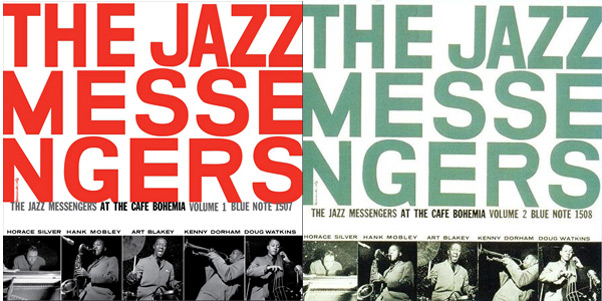
When people talk about "the Blue Note sound," they're talking about the sound of Art Blakey and the Jazz Messengers—or, more to the point, the sound of that band as captured by Rudy Van Gelder for Blue Note Records: the two- (later three-) horn harmonies arrayed across the stage, the drum kit's airy sizzling cymbals, the up-close intensity of the mix (Van Gelder pushed the levels beyond the point where most engineers feared to roam).

Two new releases by Music Matters Jazz—the audiophile company that specializes in reissuing Blue Note LPs, each title mastered at 45rpm, spread out on two slabs of 180-gram vinyl, and packaged in separate slots of a beautifully reproduced gatefold cover and priced at $49.95—tell you what you need to know.
Miles Davis, The Original Mono Recordings

I've never been a mono-phile. Yes, mono is better than electronically reprocessed stereo. And yes, for some of the early stereo recordings, where the engineer smacked one of the horns in the left speaker and the other in the right, it's better to hear everyone in the center. And, finally, there are cases, most notably on many of The Beatles' albums, where the musicians supervised the mono mix and ignored the stereo, making the mono, in a sense, the authoritative version. But in general, those albums that were recorded in stereo, I prefer to hear in stereo.

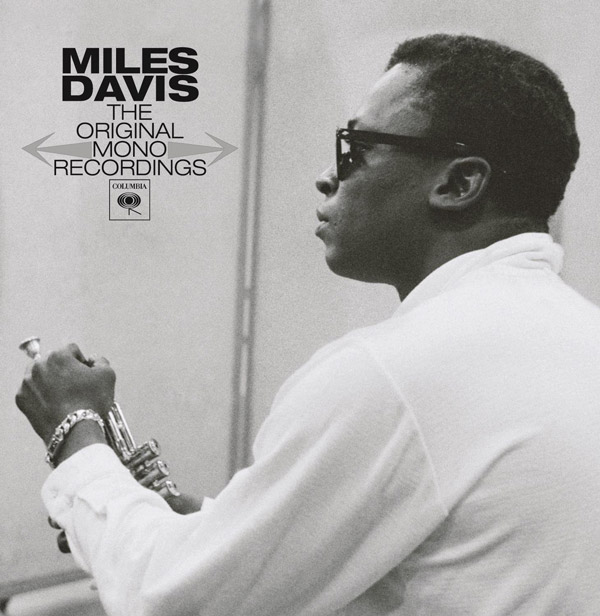
But the latest excavation from the Miles Davis archive, The Original Mono Recordings, nine CDs of the nine albums made for Columbia from 1955–63, is an exception, a set worthy of attention—though not so much because the discs are in mono.

Mary Halvorson’s Illusionary Sea

I first heard Mary Halvorson about four years ago, when she played with Jason Moran and Ron Miles at the Jazz Standard in New York City. I didn’t fully understand what she was doing (I still don’t), but she seemed to be painting some new colors in jazz, or at least in jazz guitar—the ice-crystal intonation, the off-kilter harmonies, the quasi-chords that seemed to dart nowhere till the neon lit up the path in the night.

The Best Jazz Recordings of 2013

As usual around this time of year, I have a column in Slate (where I usually write about foreign and military policy), listing my picks for the 10 best jazz albums of the year and, in this case, the two best jazz reissues. Here’s the list, and regular readers might recall that I’ve reviewed almost all of them in this blog-space (or in Stereophile magazine) over the past twelve months.

Turkey & Jazz in NYC

Maria Schneider, photographed by Jimmy & Dena Katz

Thanksgiving week is upon us, which means that two of the best bands in jazz are showcased at two of New York’s—and possibly the world’s—best clubs. From Tuesday through Sunday, Maria Schneider’s Jazz Orchestra plays at the Jazz Standard (though not on Thanksgiving Day), while Jason Moran’s Bandwagon Trio plays at the Village Vanguard. These gigs have become annual traditions. They sell out fast. Get your tickets now.

John Zorn@60

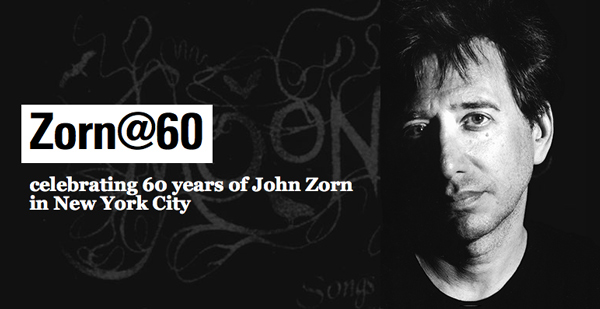
It ranks among the most astounding turnarounds in American music. John Zorn—erstwhile bad-boy impresario of the downtown New York jazz scene—spent last month touted as a modern master, and Manhattan's pride, by the city's most venerable institutions of high culture: the Metropolitan Museum, the Guggenheim, Lincoln Center, Columbia University, and NYU.

That's It!

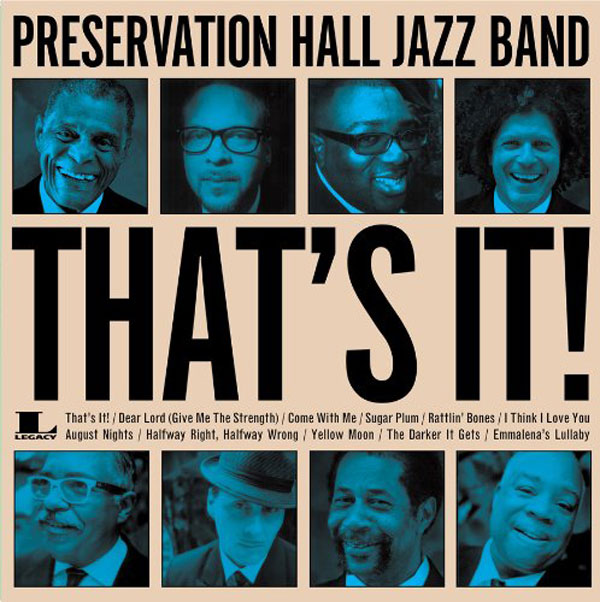
That's It! (Sony Legacy) is a hell of a fun album: the Preservation Hall Jazz Band, the treasure of New Orleans music, wailing with cylinders wide open.

Purists might protest. All the songs on this record are new (a first for the PHJB), and the solos tend more toward R&B riffs than trad-jazz polyphony. In short, the vibe seems to pulse more from the rowdy late-night clubs up on Frenchman Street than the band's usual stately sanctuary in the heart of the French Quarter.

Advertisement
Advertisement
Advertisement