Music and Recording Features

Sort By:  Post Date TitlePublish Date

EMI Remasters Its Classical Catalog for SACD

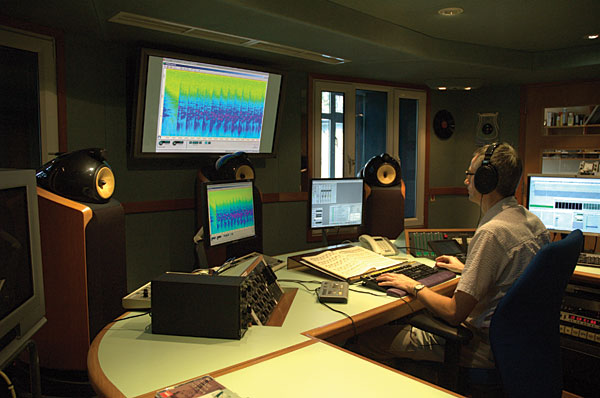
It's the first rule of being a stereophile: sound quality is serious business. Simon Gibson, one of the engineers at Abbey Road Studios who worked on EMI's new Signature Collection of hybrid SACD/CDs, knows the drill: remaster and change the sound of a much-loved classical recording from the label's glorious back catalog and you risk becoming a target of blogs and forums. Gibson's aware that the more hallowed the recording, the more quickly knives come out at the mention of remastering.

Rush: Working Men

"We tried to do some work between the legs of . . .

"Ummmm . . . that sounds weird."

Rock musicians—do they ever think about anything but sex?

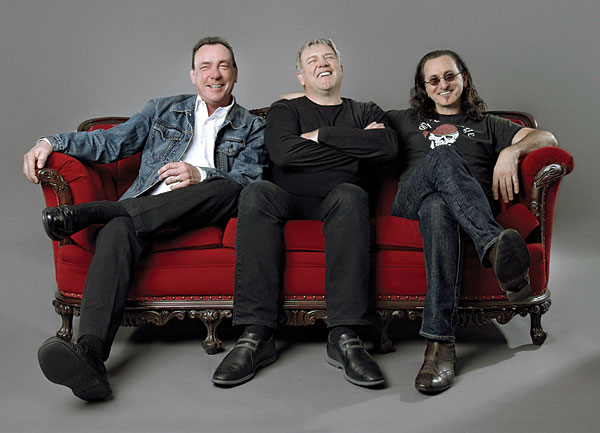
Rush guitarist Alex Lifeson chuckles. He explains that what he meant to say was that he, singer-bassist Geddy Lee, and the exalted, formerly mustachioed object of Planet Earth's most fervent drummer cult, Neil Peart, were trying to write songs during a break in a recent tour.

Visiting Glimmerglass Opera

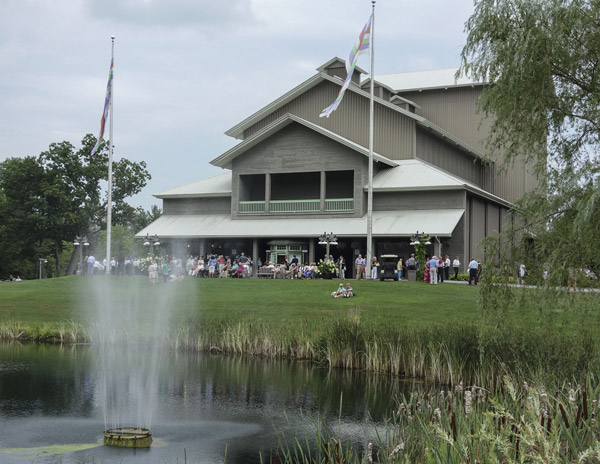
I'm a great fan of the musical theater: musicals, operetta, and opera, more-or-less in that order. A typical summer vacation for my wife and me involves driving from Toronto to the East Coast, stopping off to see musicals (and some plays) at places like the Barrington Stage Company in Pittsfield, MA, the Goodspeed Opera House in East Haddam, CT, the Paper Mill Playhouse in Millburn, NJ, , and the Ogunquit Playhouse in Ogunquit, ME. The Glimmerglass summer opera festival, near Cooperstown, NY, is not far from the route we usually take, but I never thought of visiting it because my impression has been that they specialize in performances of modern and obscure operas, which are not quite our cup of tea.

My discovery of the fact that Glimmerglass has greatly expanded the range of its offerings came about through sheer serendipity. . .

A Fine Art: The Mercury Living Presence Recordings

It is perhaps the most cherished tale from hi-fi's primordial past: In 1951—when music was first being recorded on magnetic tape, when the use of much-improved microphones became a mix of science and art, and when Stereophile's founder, J. Gordon Holt, was still a little nipper, years away from his first martini (though I wouldn't swear to that)—the team of Robert (Bob) and Wilma Cozart Fine began to build a legendary catalog of recordings of classical music. It eventually included the work of conductors Rafael Kubelik, Antal Doráti, and Frederick Fennell; the Chicago and Minneapolis symphony orchestras; the pianists Byron Janis and Gina Bachauer; and the cellists Mstislav Rostropovich and János Starker—all released with often wildly colorful covers under the still-evocative title of Mercury Living Presence.

Book Review: Norman Granz: The Man Who Used Jazz for Justice

Norman Granz: The Man Who Used Jazz for Justice
By Tad Hershorn. Berkeley: University of California Press, 2011. 470pp. Hardcover, $34.95.

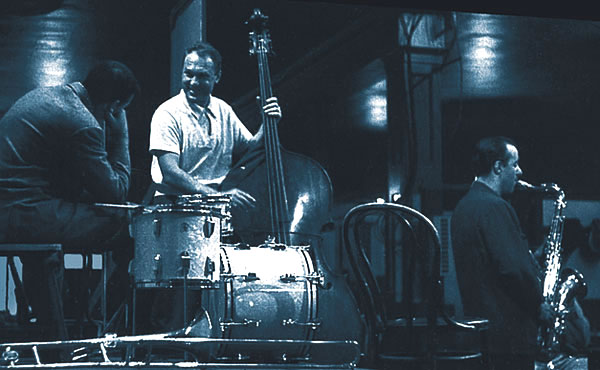
One night in 1942, Billie Holiday was singing at a Los Angeles nightclub. Between sets, she crossed the street to have a drink with Norman Granz. She was in tears because some black friends who had come to hear her had been turned away.

Chad Kassem Brings the Blues to Salina

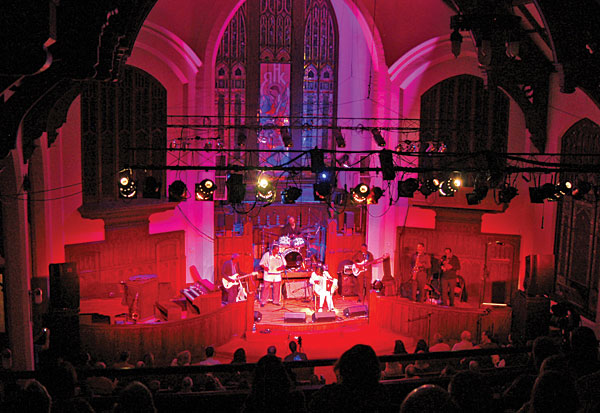
Up on the old church altar, under the ceiling's massive and ornate wooden arches, in front of an array of stained glass whose center panel has been replaced with a modern rendering of a trio of bluesmen, singer and harmonica player Phil Wiggins and singer-guitarist Corey Harris are nearing the end of their set. Wiggins pauses, looks at his watch, and smiles.

"Time flies when you're playing blues in a church."

Learning Lennon: Guitar Master Bill Frisell

For the musically prolific, releasing too many records too close together can be problematic or worse. Just because you can make a record every week in your home studio doesn't mean you should. The impulse to commit every golden thought and performance to tape without self-editing or even pausing to reflect screams narcissism run amok. Asking listeners—even dedicated fans—to then buy and spend time listening to half-baked nonsense that might have become something, given more time and care, is a sure career destroyer. There's truth in the old saw about building demand, avoiding saturation, and creating a hunger among the listening public. Most critical of all, despite downloads, piracy, and Lady Gaga's pointy hats and eggshell entrances, the old Hollywoodism still applies: while spontaneity may sound like a radical idea, you're only as good as your last album.

Robert Johnson, Steady Rollin' Man

"Sometimes I can evoke the breathless rush of feeling that I experienced the first time that I ever really heard Robert Johnson's music. Sometimes a note will suggest just a hint of the realms of emotion that opened up to me in that moment, the sense of utter wonder, the shattering revelation."—Peter Guralnick, from Searching for Robert Johnson (New York: Dutton Obelisk, 1989)

It's an experience that all true blues fans need to savor. Fly into Memphis, drive south on US 61, into Coahoma County, Mississippi, down to the Delta, down to Robert Johnson country. There, on one of those steamy nights when the moon is full and fog, or maybe restless spirits, rise from the cotton fields, you can drive down to his two graves, in two churchyards nearly within sight of each other. You can sit in the dark and listen to the trains that were his constant mode of transportation. And on the way back to Clarksdale, the Delta burgh where Bessie Smith passed, you can go down to the crossroads and judge for yourself. Romantics say you can feel, smell, and even hear Robert Johnson's music, if not his desperate deal, still hanging in the humid Mississippi air.

Steve Earle: Hardcore Troubador

To write about music, you must first come to terms with your fanboy urges. You must brush off the fairy dust and see your heroes for who they really are—a picture that in many cases is all too human. Yet that first blush of idolatry is an experience you never quite forget, no matter how many times you interview a person.

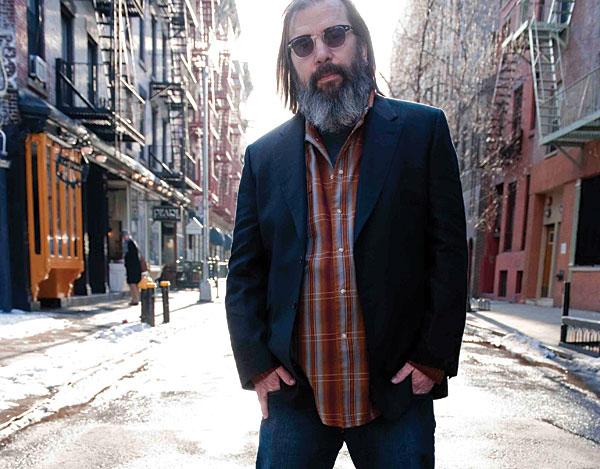
There was a time, back in the St. Elmo's Fire 1980s, when Steve Earle's first album, Guitar Town, was an object of abject slobbery for a generation of rock critics. Turning a near-mint LP copy of that album over in his hands, Earle begins to reminisce about a record that changed Nashville and country-rock music and, for many, remains his undisputed career masterpiece.

Advertisement
Advertisement
Advertisement