Music and Recording Features

Sort By:  Post Date TitlePublish Date

Jazz at a Dark Moment: the 2023 San Jose Jazz Winter Fest
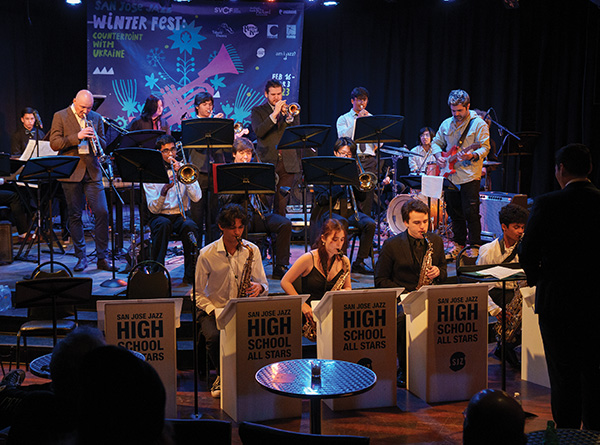
Jazz emerged from the African-American experience in the United States, so it is not surprising that it has been socially relevant since its earliest manifestations. Sonny Rollins put the matter succinctly: "jazz is protest music."

In 1923, Bessie Smith sang songs based on her experience of racism and sexism. In 1939, Billie Holiday recorded "Strange Fruit," a chilling song about a lynching. Charles Mingus's 1959 classic "Fables of Faubus" secured a permanent place in music history for the segregationist governor of Arkansas; thanks to Mingus, among jazz fans at least, the name "Orval Faubus" will ever be synonymous with bigotry.

But if social activism is nothing new in jazz, it has never been so prevalent as it is today. At some point in the new millennium, it began to feel like every new jazz album had to have at least one overtly political track. The reasons for this development may lie in the extreme political polarization of our society. The divisiveness of the Trump Era forced everyone, including artists, to choose sides.

But the ways jazz has woven itself into contemporary history go far beyond standoffs between progressives and conservatives . . .
Robbie Fulks is Bringing It All Back Home

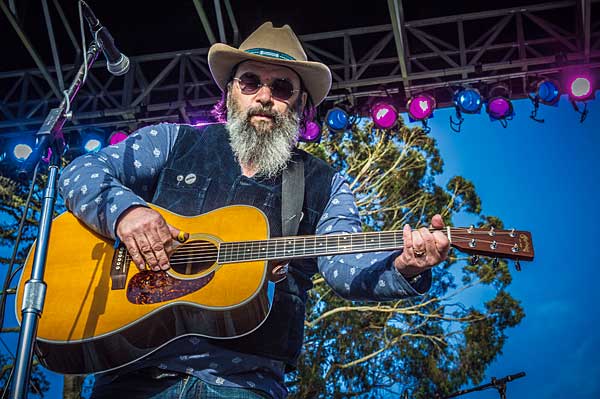
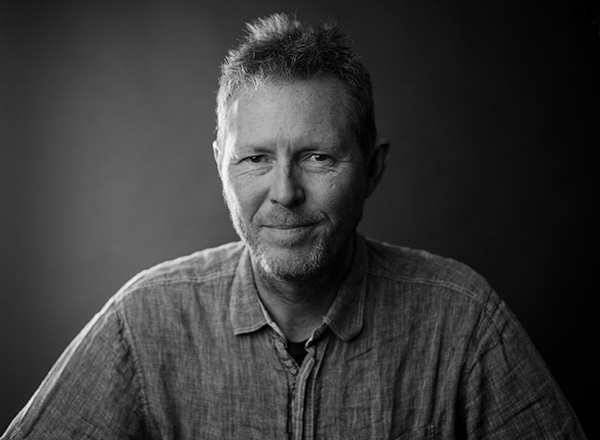
In 2009, Robbie Fulks decided to make a change. For almost 20 years, the singer/songwriter had led a series of hard-hitting country-rock bands across America and beyond, his blistering guitar chops and madcap levity (the latter frequently testing, if not violating, standards of taste) winning him a modest-sized but ardent fan base.

"I was fatigued from what I'd been doing," Fulks told me recently via Zoom, sitting in his kitchen in Atwater Village, a Los Angeles neighborhood between Glendale and Burbank. "Me on acoustic guitar, with electric guitar, bass guitar and drums, that was my sound for something like 13 years. I was so tired of it, I was actually thinking of doing something other than music."

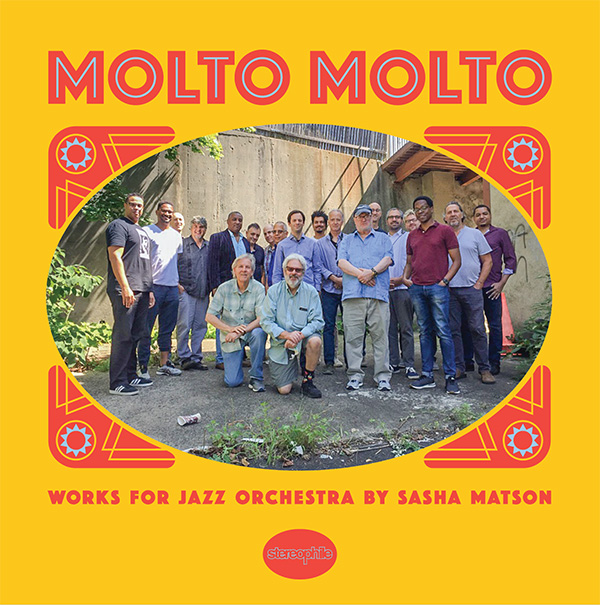
Molto Molto—a New Stereophile Album from Sasha Matson

We started issuing recordings on the Stereophile label at the end of the 1980s, both to make available some of test tracks that we were using in our reviews and to enable readers to have access to recordings where the provenance was fully documented. That way the "Circle of Confusion" that Bob Katz discussed on the Stereophile website in 2017, where the sound quality of an audio component couldn't be judged using a recording with unknown sound quality potential, could be avoided. As Bob wrote, "How can any reviewer make a judgment about a transducer without knowing what a recording is supposed to sound like?"

The Beatles Reanimated: The Giles Martin Revolver Remix

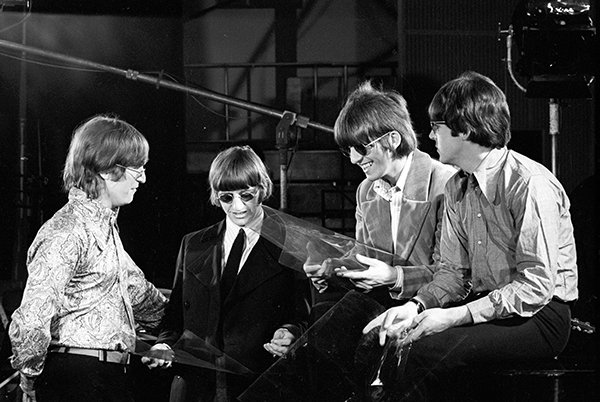
On a warm day in September 2022, alongside 40 or so press colleagues, I was treated to an advance demonstration of the Dolby Atmos mix of The Beatles' Revolver, at Republic Studios on Broadway In New York City's midtown. Producer/mixer Giles Martin—son of original Beatles producer Sir George Martin—was our host. Giles Martin's demeanor was self-deprecating, and he seemed to know all there is to know about the Beatles and their productions. As Martin played songs from Revolver in surround sound, the assembled group seemed amazed by what they heard.

Rachael and Vilray: Carrying a Torch

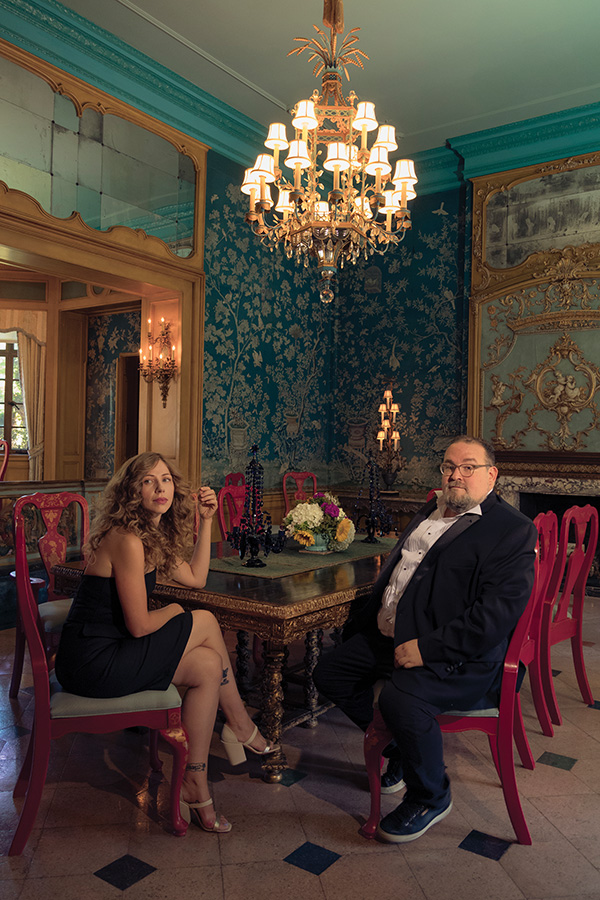
As Vilray Bolles marched down Manhattan's Second Avenue on a rainy afternoon late in 2014, participating in a demonstration against police brutality, he slipped on the wet pavement, fell hard on his right hand, and broke his pinky. For a guitarist, a broken finger can be a major, if not catastrophic, setback. But the gods were smiling on Bolles. He was, in fact, a lapsed guitarist, having all but abandoned hopes of a musical career, and the universe was giving him a nudge, not just back into music but into a collaboration with Rachael Price, one of contemporary pop's great vocalists, who, when she isn't singing cabaret jazz with Bolles, fronts the headlining rock band Lake Street Dive.

Dave Alvin

Dave Alvin is a fighter. In the 1980s, when Dave and his older brother, Phil Alvin, shared studio and stage as co-founders of Los Angeles punkabilly band The Blasters, they frequently fought each other. They also fought musically, tussling over every note as the four-man band wrangled many great tunes. In that respect, their working relationship may have been similar to the sibling push-pull output of Ray and Dave Davies in the Kinks and Liam and Noel Gallagher in Oasis. Consider "American Music," "Marie Marie," and "Border Radio," all from the band's 1981 sophomore album The Blasters, as examples of how internal conflict can lead to successful collaboration.

On The Road Again: Three European Jazz Festivals

The first European jazz festival I ever attended was in 2006. It was the Umbria Jazz Festival in Perugia, Italy, one of the biggest. Tens of thousands of people overran the cobblestone streets and piazzas of Perugia's old town. The music began before noon and ended long after midnight. At the end of 10 days, I was delirious from joy and sleep deprivation.

Lyle Lovett: Music among great players can be a conversation

2022 is turning out to be a good year for Lyle Lovett, not least because he is, to use a cowboy metaphor, back in the saddle.

"I've been out of work for two years," he says archly. Normally, Lovett performs more than 100 concerts a year, regardless of whether he's released new work. But the pandemic pinned him down at home in Houston, with his wife and their now–four-year-old twins, in the house his grandfather built in 1911. Domesticity suits Lovett. "There was plenty to do every minute of every day. Absolutely no boredom!" He sounds like he means it; unselfconscious mentions of paternal tenderness bubbled up in our conversation from time to time.

Advertisement
Advertisement
Advertisement