Does having commercial leanings make you a traitor to the purity of your art? Can you make money in music and still have integrity? These eternal questions came to mind upon the death of singer Al Jarreau. Often savaged by critics and fans for his success, Jarreau cut his own path and by the time he died, at the age of 76, of respiratory failure on Sunday, February 12, he'd had more than a few last laughs on his detractors. One thing not up for debate is that speaking from experience; the man was sweetheart in person, a mensch, a giver of legendary proportion. His smile was unforgettable.
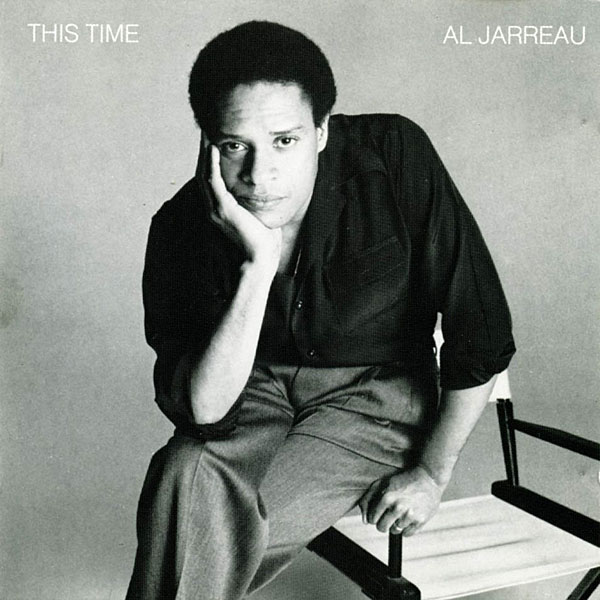
The winner of seven Grammy awards, Alwin Lopez Jarreau remains the only singer to win Grammys in three different vocal categories: Pop, R&B and Jazz. After spending the 1970s making records in search of context, he teamed with producer Jay Graydon who with the release of 1980's This Time devised a catchy pop/funk lite-oriented setting for Jarreau's elastic, scat-adept voice. Three good-to-great '80s pop albums followed: Breaking Away, Jarreau and High Crimes.
His success, highlighted by the hit single "We're In This Love Together," (from Breaking Away) and his performance of the theme to the hit '80s TV show Moonlighting, set off the still-running argument over whether Jarreau was a jazz sellout, a maker of pop mush, or a genre-spanning genius of sorts.
Listening to those '80s albums today, all of which were tracked in Los Angeles with cats like George Duke, Stanley Clarke, Earl Klugh, and a rhythm section of Steve Gadd on drums and Abe Laboriel on bass, they are undoubtedly very sweet pop, marred to some degree by a bright and brittle early digital recording sound and an overreliance on synths and those keening '80s electric keyboard parts that sound so dated today. But to anyone with a weakness for accessible pop music, especially colorful, upbeat love songs, Jarreau's peak albums are filled with moments of joy and many classic examples of the Milwaukee native's bending, twisting and scatting vocals.
The criticism most often lodged against the versatile singer by the jazz police (ie, da purists) is that his pop material did not challenge his prodigious voice; that he quit scatting which he was expert at, and in essence sung down to the level of his material. One listen to Jarreau's nimble rhythmic rendition of Chick Corea's "(I Can Recall) Spain," (from This Time) or his spirited romp through Dave Brubeck's "(Round, Round, Round) Blue Rondo à la Turk" from Breaking Away puts the lie to that line of criticism.
As an illustration of his range, Jarreau followed the Brubeck track on Breaking Awaywith a smooth, gleaming rendition of Sammy Cahn's standard, "Teach Me Tonight." Even in the pop stuff which admittedly could get a little boring, the man was a superb stylist. And his voice was rarely less than a wonder. Few have ever been able to use their pipes to imitate horns better than Jarreau. He could even do a mean conga interpretation. Call the pop records a guilty pleasures (or worse) if you must, but big league vocal chops like his are a rare commodity. And making money as a singer is not a betrayal of all you stand for.
As if to answer the nattering jazz fans who once loved him, Jarreau returned to a more jazz-based setting late in life with the records he made for Verve—a period highlighted by Givin' It Up the 2006 record he cut with George Benson and a raft of guests including Herbie Hancock and Paul McCartney. Curiously, the only audiophile reissue from his catalog so far is the 1979 MoFi LP of All Fly Home.
I am often amazed by the amount of records I get in the mail from hopeful jazz singers angling for a review. Trouble is that being a truly individual, indelible jazz singer is extremely difficult. Too much competition, historically and in the present day. Record labels are gun-shy about making expensive vocal recordings. And like all professional musicians today, jazz singers have to tour relentlessly to make any money and jazz venues are few and far between outside of California, the Northeast and a handful of European cities. Jarreau hung in there, touring worldwide well into his 70s and recording until the very end. His very distinct vocal gifts will be missed.