

Quad Artera Solus integrated amplifier/CD player

The Quad Electroacoustics Ltd. Artera Solus is a multifunction audio component that was designed to look smart on top of a bureau in a living room or office. It comes with a thick, removable smoked-glass top that complements its compact dimensions. It weighs 25lb, and, in addition to being attractive, feels genuinely solid and well-made. Like its Artera-series stablemates, the Artera Solus strikes an intriguing engineering and aesthetic balance between decorator-friendly lifestyle product and serious audiophile product worthy of the Quad name.
Quad II Classic Integrated amplifier
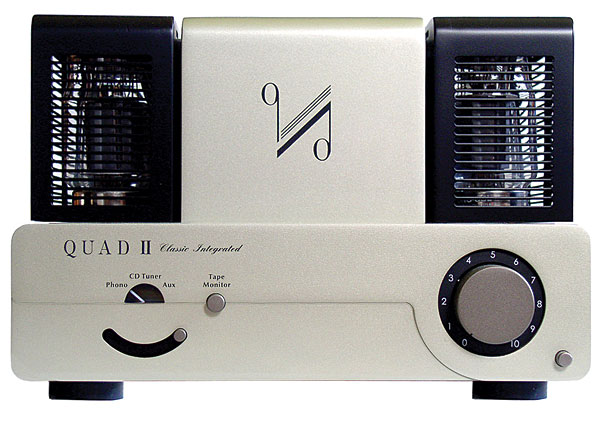
Given that Quad's founder, the late Peter J. Walker, wasn't around to design the Quad II Classic Integrated, the English firm relied instead on Tim de Paravicini, whose credits include the comparatively recent Quad II-eighty mono amplifiers and QC-twentyfour preamplifier (not to mention his own line of E.A.R./Yoshino electronics and countless other well-regarded products). It's with respect for both men that I say: In turning to Tim de Paravicini, Quad has probably chosen the closest approach to the original.
Rega Brio integrated amplifier
You can read all about an automobile, check its gear ratios, and ponder the engine's horsepower all you want—but until you put yourself in the driver's seat and take that baby out for a spin, you have no idea whether or not it's going to be fun to drive.
Rega Mira integrated amplifier

The Rega Couple interconnect ($150/1m pair) comes in a plastic pouch rather like a Ziploc veggie bag—just the pouch and a printed card. How much could the packaging cost? Ten cents?
Rega Research Brio integrated amplifier

"Looking back, my life's passions have mostly been sensual: food, females, fast cars, music, wine, sailing and skiing. My motivations, activities and work have stemmed from the need to fuel these passions rather than enjoyment of the process."
Who said this? John Atkinson? Art Dudley? Dr. Dre?
Riviera Levante integrated amplifier
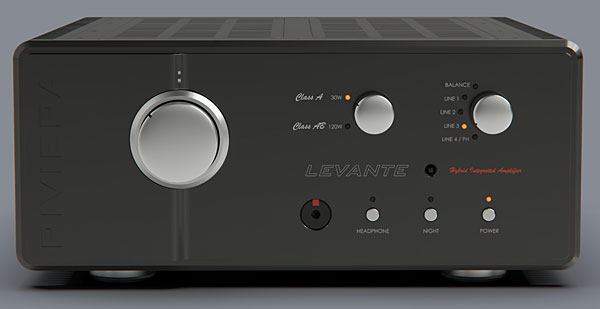
I remember, around the time I started at Stereophile, telling Art Dudley that I wanted to review "a lot of power amplifiers" because amplifiers are the "blood-pumping heart machines" that "reanimate the artistry" of musicians: Horowitz, Björk, Bill Monroe. Whereupon he looked over his glasses and spied me with bare eyes like a stern parent and said, "Just be sure to not review any amplifiers that weigh more than 65 pounds."
Rogers High Fidelity 65V-1 integrated amplifier
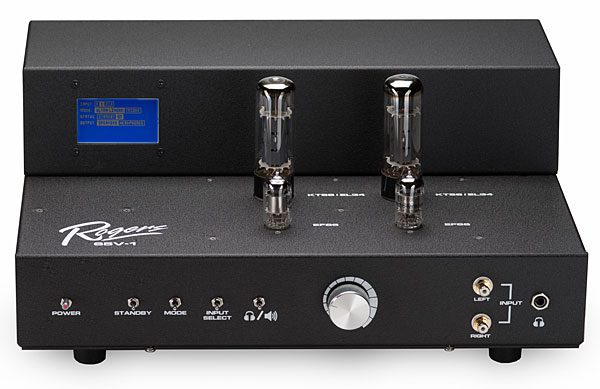
"Okay, all you high-rolling audiophile know-it-allswhat is the argument against amplifiers that operate in high-bias, class-A, single-ended mode, with the lowest possible parts count? Is there a better strategy for beauty, rhythm, color, texture, and easy-flowing musical verity? I think not. And please explain: Why has mainstream audio gone to such ridiculous and expensive lengths to avoid building and selling precisely these sorts of amps?"
Rogers High Fidelity EHF-100 integrated amplifier
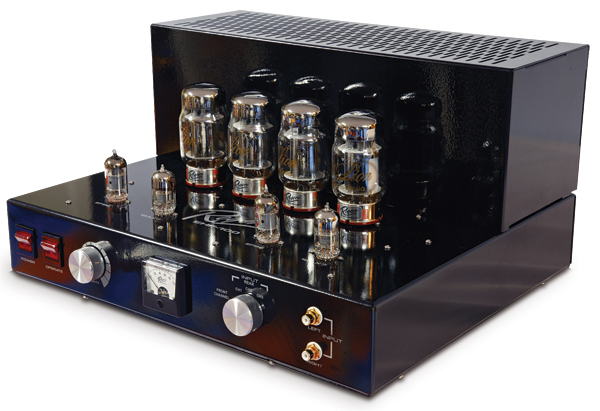
I can imagine the gaiety and mirth that filled the halls of the electronics industry in the 1950s, as engineer after bespectacled engineer realized that the transistor would soon consign to the outposts of oblivion those ancient technologies that had preceded it. Before longsurely no more than a decadethe hated vacuum tube would vanish from the Earth, along with the tube socket, the tube tester, the tag board, the high-voltage rail, and that lowest rascal of them all, the output transformer. What a jubilant time!
I can't imagine what went wrong.
Rogue Audio Pharaoh II integrated amplifier
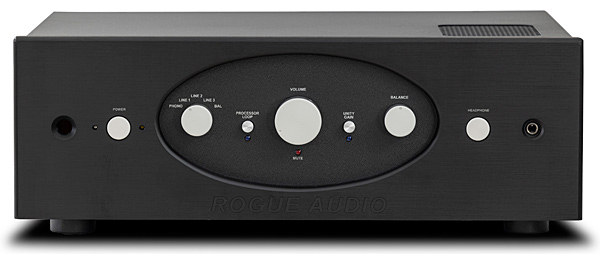
This morning, I received an email from John, my DIY friend in Europe, saying how happy he was. He had just finished building a new power amplifier using two UcD250LP class-D amplifier modules. He described the results as "quiet, clear, clean, effortless class-D power," adding, "What more could I ask for?"
Rogue Audio Sphinx integrated amplifier
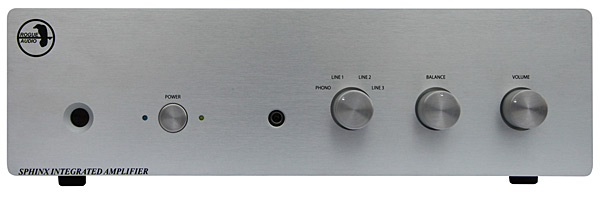
Once, on a cold, dank, soundless day deep in the Eastern bloc, I watched a man spend over a million dollars on an audio system: a turntable, a fancy horn tweeter, a few wires, and some amplification for his modified Klipschorns. I asked him what he did for a living, and he told me he was a notary public.