

RME Digi96/8 PAD computer soundcard

When I read John Atkinson's reviews of the Digital Audio Labs CardDeluxe (Vol.23 No.9) and RME Digi96/8 Pro (Vol.23 No.11 and Vol.24 No.1), I realized that soundcard technology had matured far faster than I had been aware. For about the price of a mainstream CD player, anyone with a reasonably powerful computer could add multitrack digital recording technology to his bag of tricks.
RME Digi96/8 Pro computer soundcard
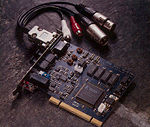
In the early days of digital audio, I remember talking with Dr. Tom Stockham, the developer of the groundbreaking Soundstream system used then by Telarc. As well as using a 50kHz sample rate, the excellent-sounding Soundstream stored its 16-bit data on large drum-shaped Winchester drives connected to a minicomputer. Twenty years later, the advent of ultra-high-density magnetic storage media and fast microprocessor chips has put high-resolution digital audio manipulation and storage within reach of anyone with a modern PC or Mac. And facilitating the transformation of the PC into a high-quality DAW has been a new generation of soundcards, such as the Digital">http://www.stereophile.com//digitalsourcereviews/280/">Digital Audio Labs CardDeluxe I reviewed in September 2000 and the subject of this review, the German RME Digi96/8 Pro.
Roon Labs Roon v.1.0 music-playback app

There are dozens of music-playback programs for computers, touchpads, and smartphones, ranging from Amarra, Audirvana, JRiver, Pure Music, and VLC, which manage libraries or work with library software, to programs that are integrated with a specific distribution service: Pandora, Spotify, Tidal, and, of course, iTunes. Still others, such as Sonos, are integrated with a dedicated hardware product.
Wattson Audio Emerson Digital network bridge
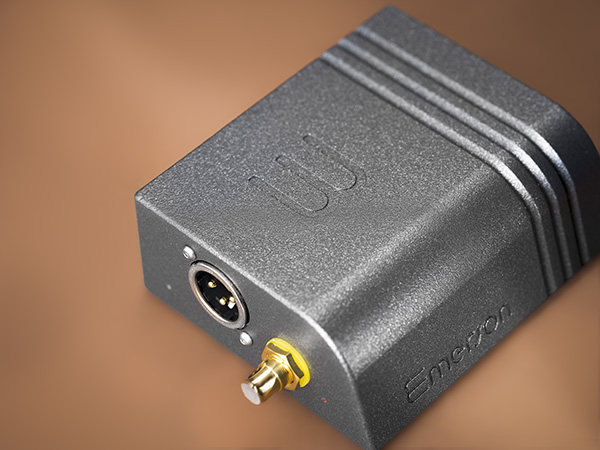
My story with Wattson Audio began about three years ago. It happened as I was covering the Montreal Audiofest for Stereophile, in the exhibitor room helmed by Canadian distributor Phonographe. Behind a curtain, resting on the windowsill, was a stage star waiting for its big reveal—a Wattson Emerson Analog network bridge.