

Nostalgia for an Age to Come
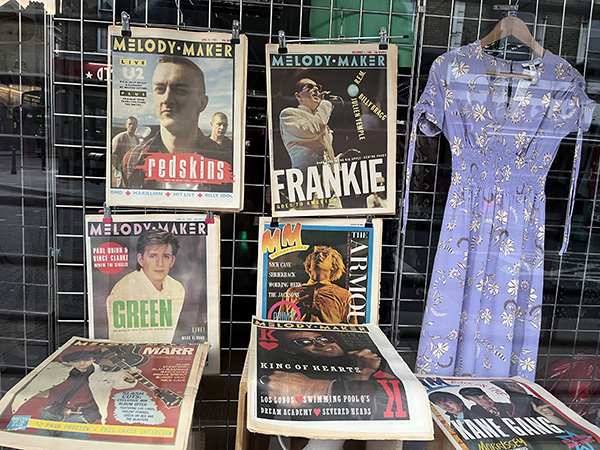
I was surprised to see, in the window of my local charity shop in a corner of north London, a display of 1980s Melody Maker magazines featuring some of my favorite bands. Nestled alongside second-hand frocks and pieces of crockery were The Redskins, Scritti Politti, Johnny Marr, and Frankie Goes to Hollywood.
The Redskins produced one rather fine album, which attempted to marry left-wing politics with northern soul. Frankie was seen as outrageous in its day; "Relax" was banned on several radio shows, and some record shops refused to stock it. Now both appeared proudly in the window of a second-hand shop that raises money for the Royal Society for the Prevention of Cruelty to Animals.
Intrigued, I went in to find out what the story was. I was in luck: The person responsible for the display was working behind the counter. It wasn't, as I had assumed, a middle-aged bloke reliving his youth, reminiscing about a time when he had a full head of hair (that was me), but a young woman, probably born 20 years after those Melody Makers were published.
Notes to a New Audiophile
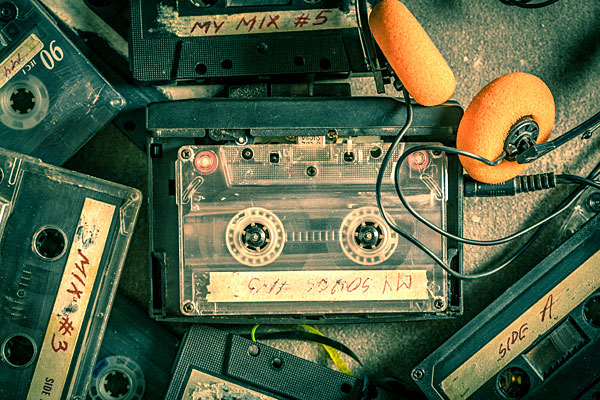
Dear Newbie: Welcome to the wonderful world of hi-fi! If you're besotted with a desire for audio gear that can make your recorded music sound better than you've ever heard it, you've come to the right place.
And at just the right time: Not only is there an unprecedented amount of sanely priced, excellent-sounding audio gear on the market; there's this thing happening between us right here and nowthe fact that you're reading a letter I wrote especially for you.
On creaks and coughs and candy wrappers
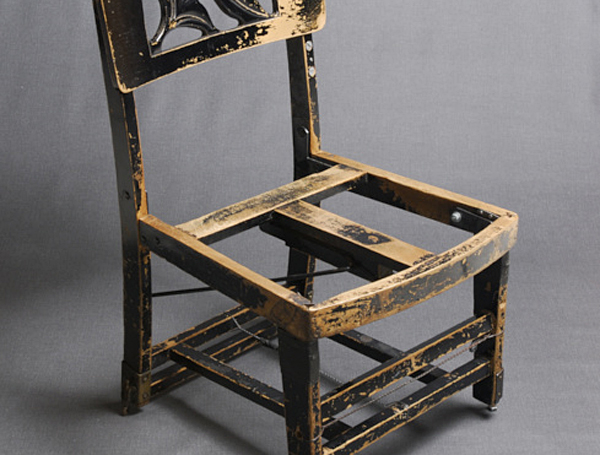
The advantage of a highly resolving music system is that you can hear deeper into recordings. The disadvantage is that you can hear deeper into recordings.
On Radio, Loss, and Music Discovery
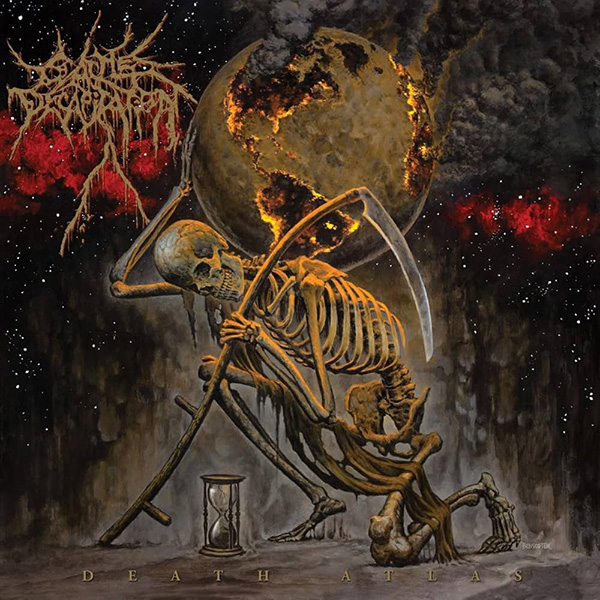
The death of KMET in Los Angeles was a turning point in my young father's life. I was 6 years old when it signed off permanently, ending commercial viability of the progressive, freeform rock format on L.A.'s FM dial.
It's also one of my earliest memories: Windows down and heater up on a cloudy February morning, sitting backseat in an Arby's parking lot before kindergarten, the sound of heresy on the airwaves. Its replacement was Smooth Jazz. Wemy father and my 6-year-old selfhated it.
Perfect Album Sides
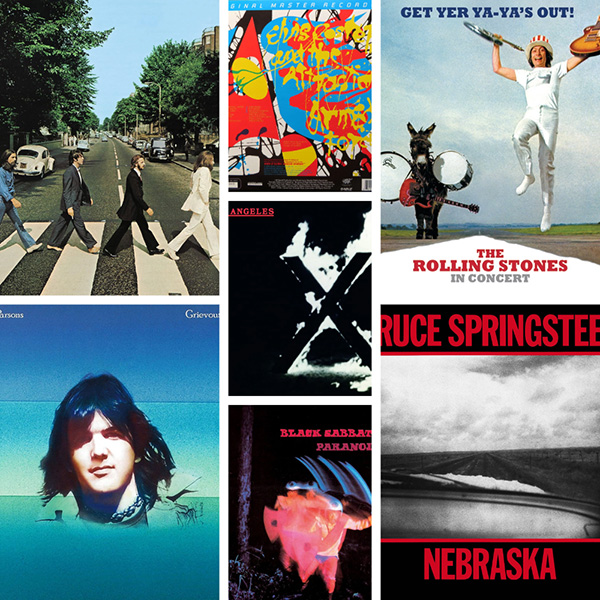
Before the bits and bytes, before the streams, the music business and its most talented artists, producers, and engineers conjured up a notion of musical-sonic holiness: the perfect album side.
Remember albums? The idea is quaint in the era of streaming, a time of "summer songs," one-hit wonders, meme songs, song snippets on TikTok, songs tied to viral videos, robot-generated playlists, and whatnot. Those of us older than the World Wide Web itself, we remember albums. They were 12" slices of happiness, sadness, escape, epiphanyall the feelings.
Quackery, gullibility, and open-mindedness

Gullibility is a disadvantage in any business, but it's a cardinal sin in journalism. During my J-school years, I acquired the occupational deformity that afflicts most reporters: a degree of skepticism bordering on the cynical. In my professional circles, an adage holds that "if your mother says she loves you, check it out."
Ray's Scream
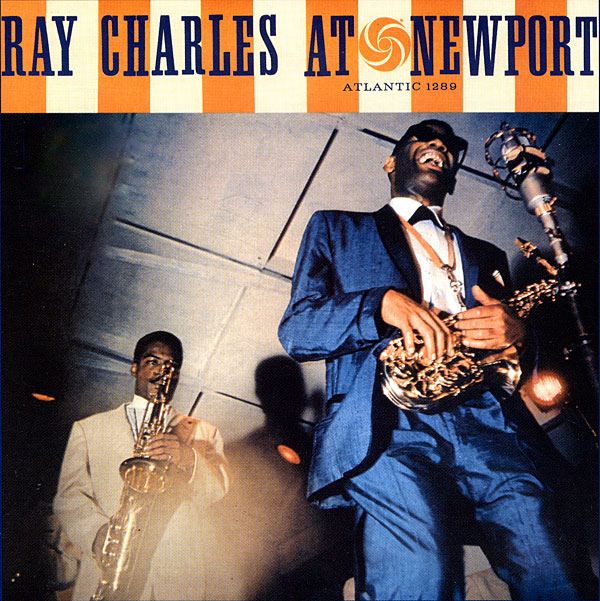
Back in the mid-1960s, I was the unusual white, suburban preteen who, for reasons I've long pondered and never fully understood, was drawn much less powerfully to the Beatles than to blues and R&B. I was a bit of a jazz snob, too. Given these leanings, it's no surprise that one of the half-dozen or so albums that fried my impressionable young brain was that seamless blend of blues, R&B, and jazz, Ray Charles at Newport.
Remembering live music in Europe
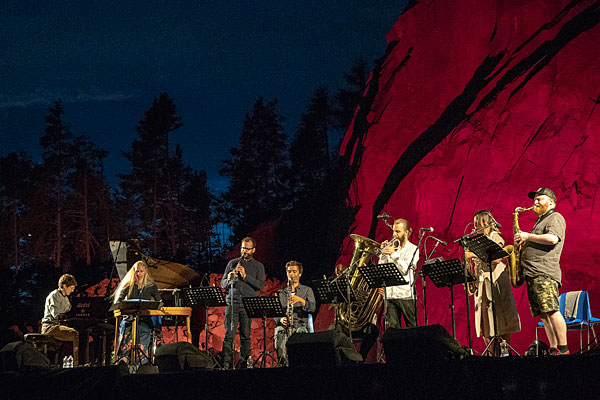
I wrote an article for the March 2017 issue of Stereophile called "The Permanent Jazz Festival: The Rise of Europe and the Future of Jazz." It presented two theses: that much of the energy in jazz now comes out of Europe, and that the best place to feel that energy is in the crowd at a European jazz festival. There are hundreds of them throughout the year.
Shane MacGowan, the Pogues’ Poet of Displacement

Shane MacGowan (Photo: Creative Commons-Share Alike 2.0.)
There was a time in London, in the mid-'80s, when a party would invariably close with a couple of Pogues songs. It didn't matter what music had preceded themit could be reggae or soul or whateverbut the Pogues would be played, to enthusiastic sing-a-longs by the party guests. Even I was known to join in occasionally.
As often as not, one of the songs would be the Pogues's cover of Ewan MacColl's "Dirty Old Town." It didn't matter that the song had been written about Salford (a city in Greater Manchester): Everyone would feel it had been written about their own town. This wasn't true just in my part of London, which has a large Irish diaspora, but in many other places across the world.
This was one of several gifts possessed by Shane MacGowan, who died November 30, 2023: Whether he had written the song or not, you felt he was singing about your world, your life.Some Polish hi-fi discoveries and delights
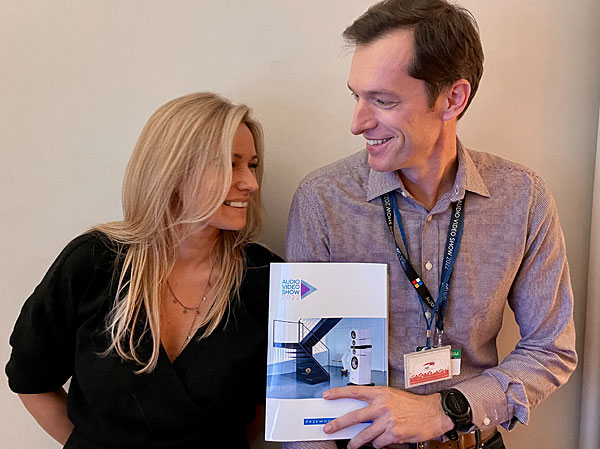
I'd heard many times over the years that the Warsaw Showofficially called Audio Video Show 2022was a "great" show. But that gives barely a hint of the special nature of this show, the second largest audio show in Europe.