Recording of the Month

Sort By: Post DateTitle Publish Date

Recording of October 1972: Lincoln Mayorga & Distinguished Colleagues Vol.II
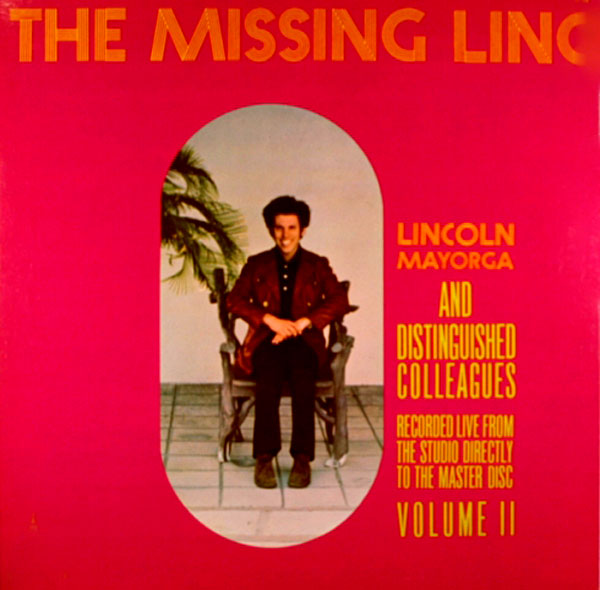
Lincoln Mayorga: Lincoln Mayorga & Distinguished Colleagues Vol.II

Lincoln Mayorga,
arranger, harpsichord, piano.

Lincoln Mayorga,
Doug Sax, prods.; Bill Schnee,
eng.; Sherwood Sax,
design engineer.

Sheffield Lab S-10 (LP).


Ever wonder just how much sound quality is lost by recording stuff on tape before making a disc? Here's your answer. This program of soft rock and cool jazz arrangements was recorded straight from studio to disc, and the sound is incredible! Suddenly, a veil that we never realized was there has been lifted, and we had the feeling we were listening to a direct-wire transmission rather than to a recording. We're not at all sure we will ever feel quite the same again about any. other recording, such is the dramatic difference in transparency and cleanness.
Recording of December 1970: The Pentangle


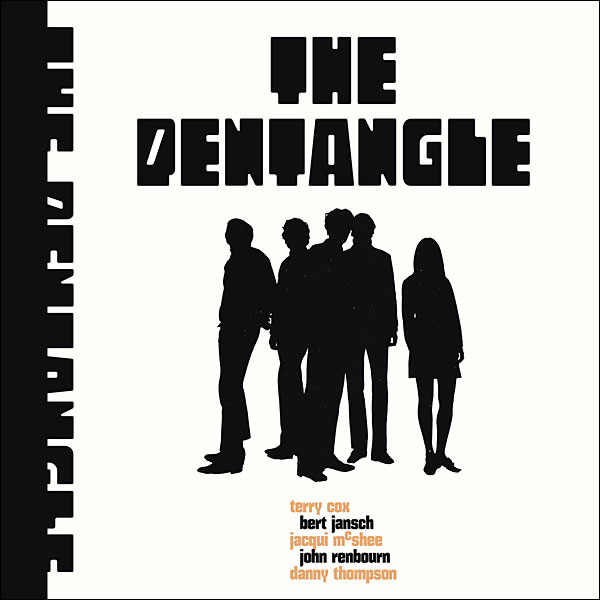
Pentangle: The Pentangle

Terry Cox (drums), Bert Jansch & John Renbourn (guitars), Jacqui McShee (vocals), Danny Thompson (double bass), Shel Talmy, prod.

Transatlantic TRA162 (English LP), Reprise RSLP63 15 (US LP). TT: 30:52.


The first "pop" recording we've ever reviewed in Stereophile may set a precedent for future reviews if there are others that sound like this. To this untutored ear, the material is rock out of raga, but it is beautifully done and, except for the larger-than-life singer, the sound is almost shockingly good. No filthy fuzzed-up guitars here, and the pickup of the double-bass simply has to be heard to be believed. Get it, at least as a demo.

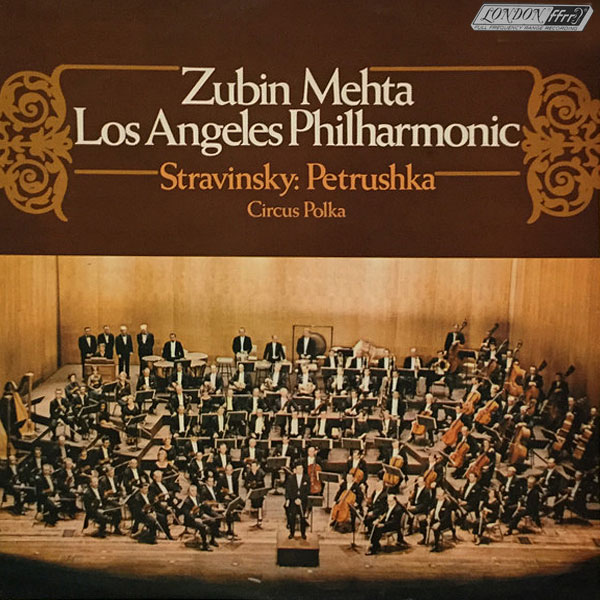
Recording of July 1968: Stravinsky: Petrouchka, Circus Polka

Stravinsky: Petrouchka, Circus Polka

Los Angeles Philharmonic, Zubin Mehta, cond.

London CS 6554 (LP/tape).


This is all the proof one could want that London's big, fat sound is more the result of their recording philosophy than of the halls they record in. One of the first London recordings ever made in the US, this has the now-familiar London sound all down the line: The big, fat low end, the richness, the superb balance, and the razor-sharp detail without zizz or zip. As usual, the result is not terribly real, but it certainly is exciting as well as being musically satisfying.

Recording of February 1968: Chopin; Nocturnes

Chopin; Nocturnes

Arthur Rubinstein, piano

RCA Victor LSC-7050 (2 LPs) (reissued on CD as RCA Victor Red Seal 0902 663049-2). Max Wilcox, prod.; Tom MacCluskey, Sergio Marcotulli, engs. Recorded August 30–September 2, 1965, 2 February 21, 1967.


If these Nocturnes are never played better than this, we couldn't care less. These are exquisite performances!


The recording, via RCA Victor's Dynagroove process is a far cry from the earlier excesses that gave Dynagroove its horrid reputation among perfectionists. One is simply not aware of the recording at all, as long as it is played at the right volume, which is about what you would hear from a good first-balcony concert-hall seat.

Recording of April 1967: An Audio Obstacle Course

An Audio Obstacle Course: The Shure Trackability Test Record

Shure Bros. TTR-101.


Shure's new "Supertrack" V-15 Type II pickup was designed as an answer to all those high-powered discs whose excessive modulations make them shatter all over the place on lesser pickups, But just in case anyone didn't happen to own any of these difficult discs, Shure decided to issue one of these, too. The result is a collection of some of the meanest modulations ever gathered together in one place.

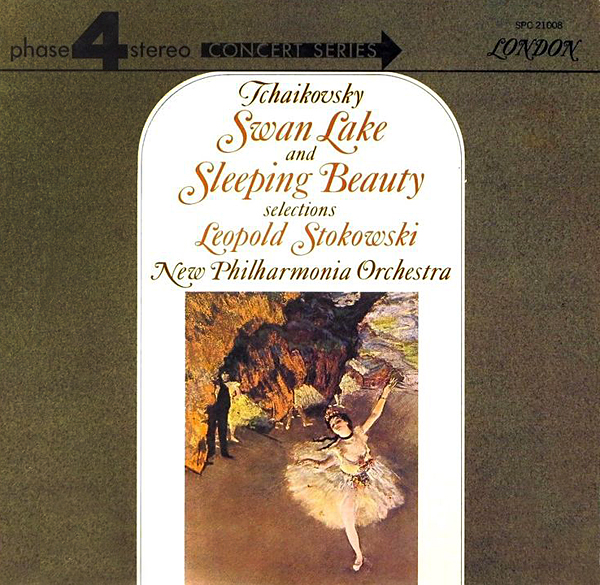
Recording of December 1966: Tchaikovsky: Swan Lake & Sleeping Beauty


Tchaikovsky: Swan Lake & Sleeping Beauty Selections

New Philharmonia Orchestra, Stokowsky

London Phase-4 SPC 21008 (LP); Ampex LCL-75008 (open-reel tape). Tony D'Amato, Marty Wargo, prods.; Arthur Lilley, eng. TT: 46:50.


These are exciting, lilting, concert-style (as opposed to ballet-style) performances of the best-known excerpts from Tchaikovsky's second- and third-most-popular ballets. (First, of course, is the Nutcracker.) The recording is a surprise, after the excesses we've heard on earlier Phase-4 recordings.

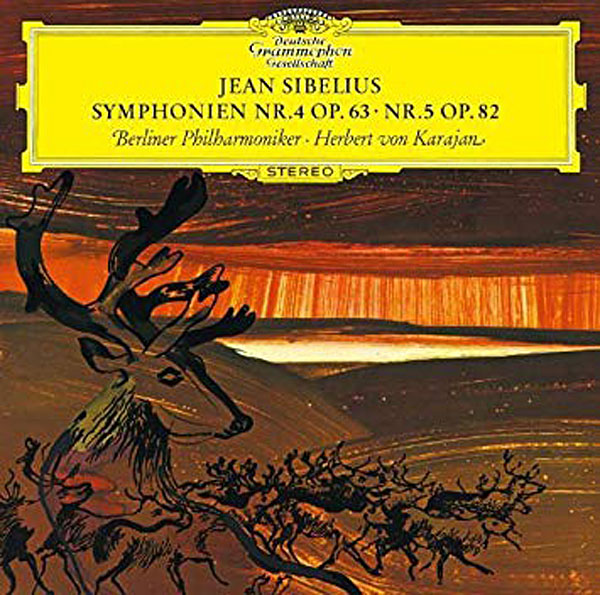
Recording of September 1966: Sibelius: Symphonies Nos.4 & 5


Sibelius: Symphonies Nos.4 & 5, The Swan of Tuonela, Tapiola

Berlin Philharmonic, Herbert von Karajan

Deutsche-Grammophon 138 974 (LP, Symphony 4). Both symphonies reissued on CD (Deutsche Grammophon 457 748 2)


Magnificent, musically natural recordings with some of the deepest, fattest bass and richest, warmest orchestral sound that's been committed to recordings for many years. The discs are a shade more lucid than the tapes, but not much. Take your pick.—J. Gordon Holt

Recording of May 1966: Music to Listen to KLH By

Music to Listen to KLH By

Excerpts from recordings by Everest and Concert-Disc.

KLH VSR-101 (LP).


Don't be misled by the title of this. It's fine for listening to KLH by, and it is also fine for listening to any other top-notch reproducer by. It is, in fact, the best, and most musical, stereo demonstration disc that's come along to date.

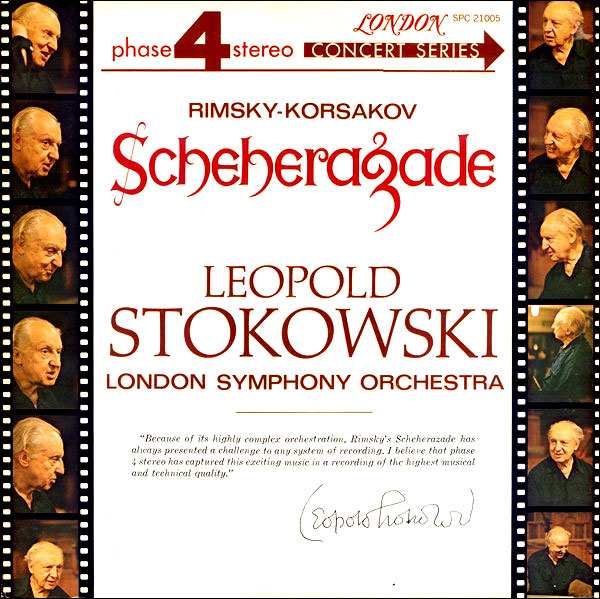
Recording of October 1965: Rimsky-Korsakov: Scheherazade

Rimsky-Korsakov: Scheherazade

London Symphony Orchestra, Leopold Stokowski, cond., Erich Gruenberg
, solo violin.

London Phase 4 SPC-21005 (LP).
Recorded September 22, 1964. Kingsway Hall, London.
Marty Wargo, prod., Tony D'Amato, recording dir., Arthur Lilley, eng.


This is infuriating. Along comes the performance of Scheherazade that we've been waiting for, and the powers that be at London Records decide, God knows why, to bestow upon it the dubious blessing of Phase 4 recording. The sound is positively vast and cavernous, the bass booms, the highs scream, the harp sounds like it's 10' tall, and instruments wander back and forth across the stereo stage as if nobody had thought to tell the musicians where to sit.

Advertisement
Advertisement
Advertisement