Interviews

Sort By: Post DateTitle Publish Date

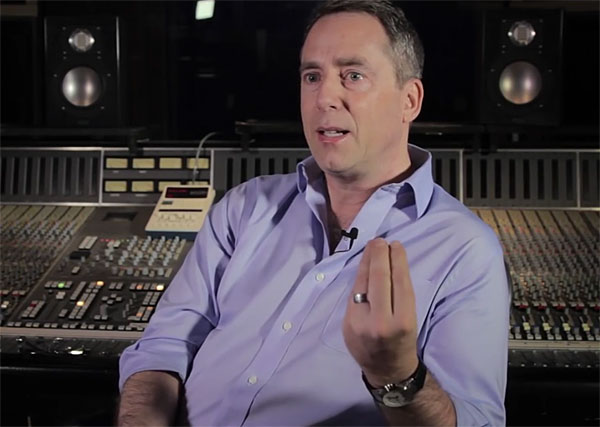
Joe Harley: Both Sides Now
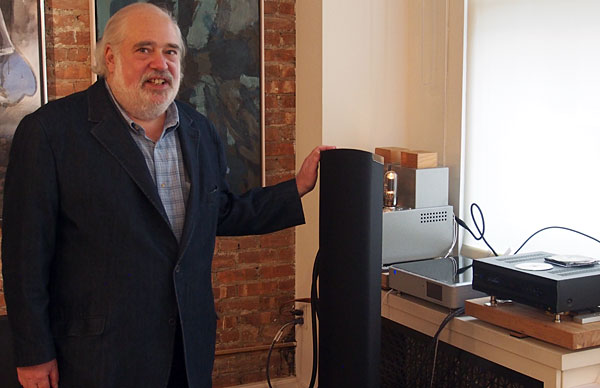
Recordings and playback gear are two different sides of the hi-fi coin, and while many people have made careers creating one or the other, far fewer have made significant contributions to both. Joe Harley is one of those few. A longtime principal with the influential high-end audio manufacturer AudioQuest, he also continues to expand the discography of highly regarded recordings he has produced or helped to remaster, of both new and historically significant music.
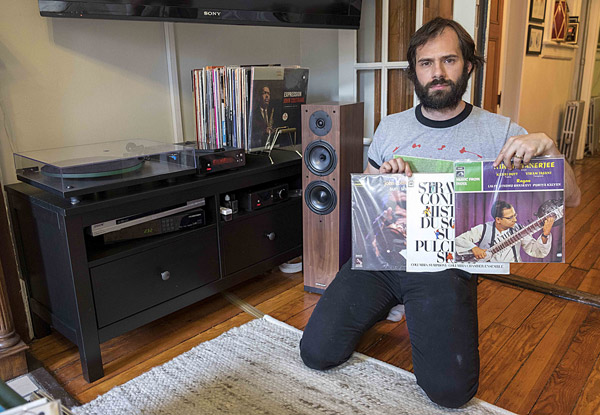
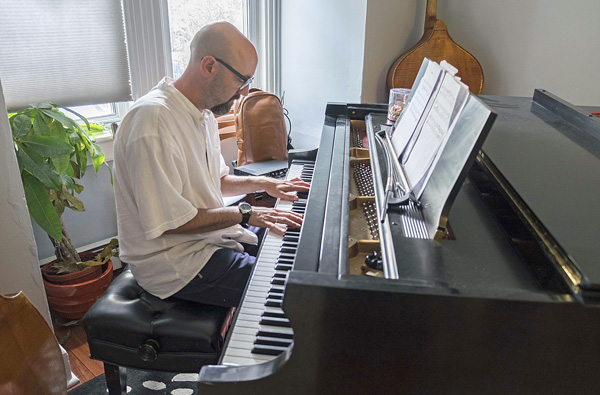
Musicians As Audiophiles: Dan Weiss

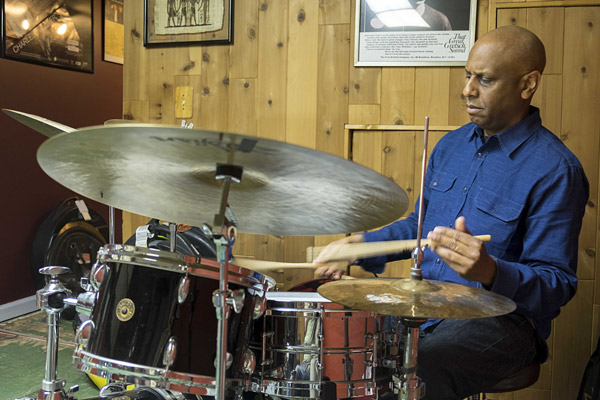
Drummer/composer Dan Weiss has wide-ranging musical tastes, superb skills, and a rocking little Rega-based system in his cozy Brooklyn, New York apartment. Dan has drummed with many jazz greats, but it's his own projects that have generated the greatest interest. He's a thinking musician's musician, one who astutely assesses the pros and cons of every situation. Dan doesn't enter musical projects or hi-fi scenarios lightly. When considering his first major stereo purchase Dan listened to many combinations of turntable/CD player/amplifier/speaker(s).

Musicians as Audiophiles: Ron Carter

Ronald Levin "Ron" Carter is arguably the greatest upright jazz bassist to have ever walked four strings, and he's literally the most recorded bassist of all time. "With 2,221 individual recording credits, as verified on 15 September 2015," notes Carter's website. As I've interviewed musicians for Musicians as Audiophiles, to a man they've whispered, "You've got to hear Ron Carter's rig. He's deeeep into it."

Spencer Chrislu: Master Quality Authenticated

Most people who have heard music recordings encoded with Master Quality Authenticated agree that it sounds really goood (footnote 1)—but even they recognize that at least one major challenge remains: ensuring that listeners can actually get, in MQA format, the music they most love. I spoke with Spencer Chrislu, MQA's director of content services, about the company's efforts to meet this challenge.

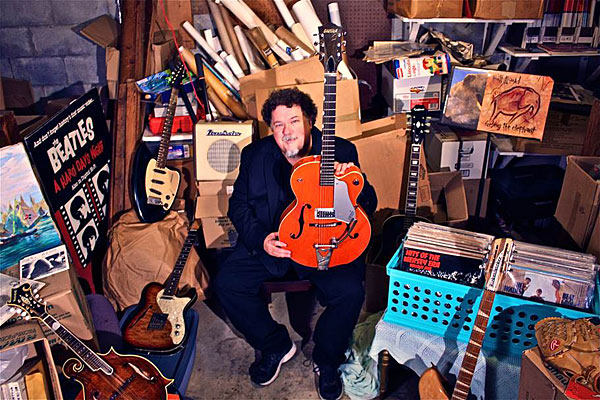
Bill Lloyd: Power Pop Icon

In writing for magazines, there's a basic rule: Don't become the subject. And in writing about the arts, it's best to remember that you aren't in the music business or the film business: you're in the publishing business. Despite this, there are arts writers who fancy they're a part of the world they write about. All famous musicians are their "friends." The music business values their opinions. They're caught up in the delusion that the Rolling Stones sang about so deliciously in "Star Star," the closing number on Goats Head Soup.

Charley Hansen: The Wizard of Boulder

Twenty-three years ago, in 1993, Charles Hansen cofounded Ayre Acoustics, Inc., in Boulder, Colorado. On Ayre's website, Hansen is named as Research Director for Ayre, and it seems an apt description. Along with experimenting in and developing audio-electronics hardware and software, Hansen has strongly hewn to certain design principles, among them fully balanced operation, an absence of loop negative feedback, and solid-state circuitry. Ayre's current flagship preamplifiers and amplifiers, the twentieth-anniversary R Series, have received reviews and accolades, while at the other end of the budget spectrum, Hansen's design work was a key element of Neil Young's widely publicized and crowdfunded PonoPlayer project.

Musicians As Audiophiles: John Hébert

John Hébert's experiences unearthing precious oddities have served him well as an adult musician, particularly when extracting deep bass sounds as one of New York City's most in-demand jazz bassists. From his 1990s-era Romanian and Hungarian upright basses and exotic stereo gear and LPs to the Baldwin grand piano that adorns the living room of his Jersey City, New Jersey home, Hébert is a perfect example of audiophile as musician.

Sandy Gross: True Confessions

This tale might have been scripted by Barry Levinson, the Baltimore-bred filmmaker who has set four pictures in his hometown, where much of the Sandy Gross story has also taken place. The young Sanford Gross moved there to attend Johns Hopkins University, and subsequently, in one of the city's Civil War–era houses, got Polk Audio rolling with fellow alumni Matthew Polk and George Klopfer. The company flourished, but Gross, who had minored in film at Hopkins, had an itch for Hollywood. He moved to Los Angeles, only to find the movie business tinged with illusion—much as Billy Wilder and Charles Brackett had portrayed it in Sunset Boulevard, their merciless 1950 film noir. So Gross plotted a new scenario, returned to Baltimore, and re-entered an industry committed to low distortion.
Advertisement
Advertisement
Advertisement