Powerline Accessory Reviews

Sort By: Post DateTitle Publish Date

Stromtank S-4000 ProPower MK-II XT computer-controlled battery power source
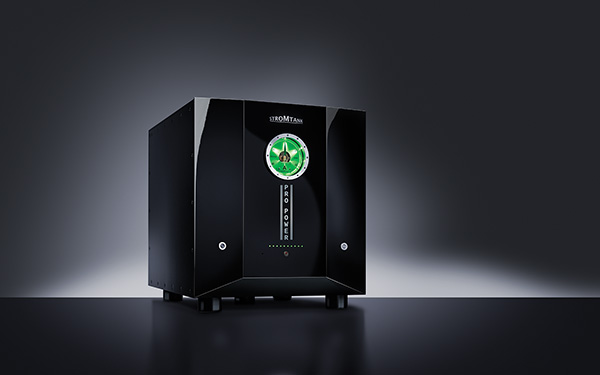
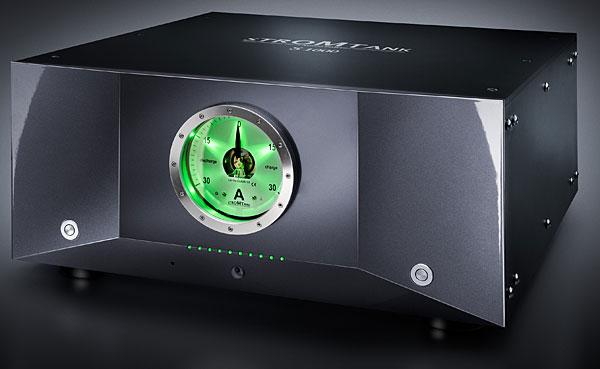
In my enthusiastic 2022 review of the Stromtank S-1000 ($16,900), I described the Stromtank as a computer-controlled lithium iron phosphate (LiFePO4) battery array that, coupled with its AC inverters and all the trimmings, supplies clean, constant, stable off-grid AC power to hi-fi components. By softly depressing a single button on the front panel, Stromtank owners can easily switch from wall-connected mode (when the Stromtank's dimmable front-panel meter is blue) to a disconnected, battery-only state (when the meter is green). At the end of a listening session, users can return to blue mode to recharge the battery array.
Stromtank S 1000 computer-controlled battery power source

The Kingdom of Audiophiledom rests on a paradox. Inanimate audio systems and rooms aim to deliver music that animates our senses and touches our souls. The inherently lifeless exists to bring music to life.


This holistic reality—that systems and rooms function as living organisms where every part is interconnected and interrelated—came home to me when, during one of the first AXPONAs in Chicago, I entered a long, cavernous basement room with several spongy "conference room" walls. "There is no way that any setup can deliver good sound in this room," self said to self. Yet, the system sounded unbelievably good.

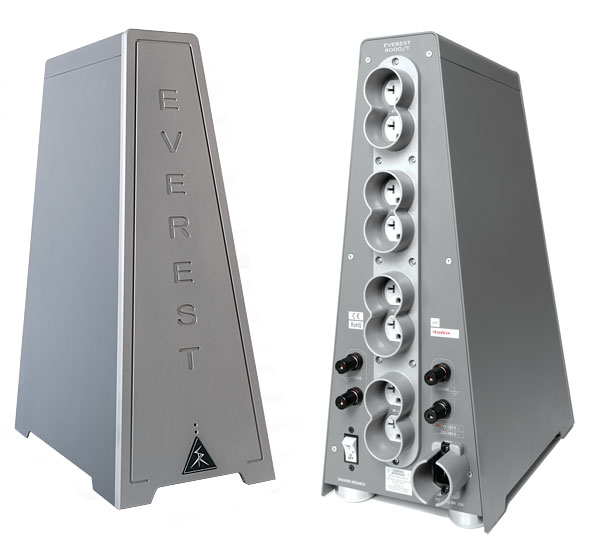
Shunyata Research Everest 8000 power conditioner

Shunyata Research is the brainchild of Caelin Gabriel, whose résumé includes stints at NSA, in military R&D, and in the computer industry, first digging weak signals out of noise then developing very high-speed network devices. He is also a lifelong audiophile.


Shunyata's roots are in the scientific understanding and engineering base Gabriel has developed during his career. I've long been impressed by those scientific underpinnings—which extend not only in audio but also to other fields including medical devices—and by how open the company is in talking about its technologies.

AudioQuest Niagara 3000 AC power conditioner

It stands to reason that any audiophile system would benefit from improved AC power. The rooms in most older homes are equipped with a single duplex receptacle on each wall, maybe two per wall in homes employing more modern construction practices. Behind the wall you're likely to find standard 14-gauge Romex, passing through via receptacles that typically sell for about a buck each. The electrical work meets local code, but audiophiles aren't involved in setting local electrical codes.

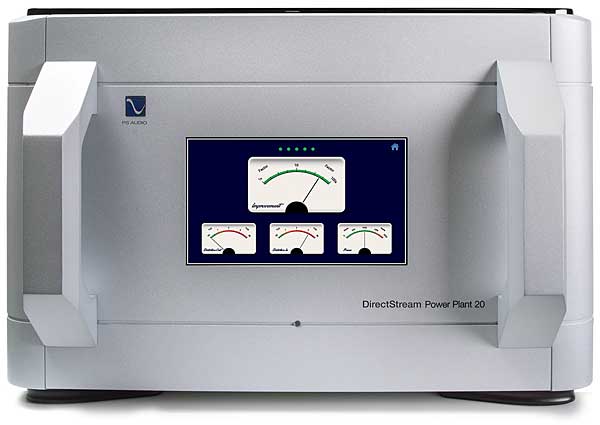
PS Audio DirectStream Power Plant 20 AC regenerator

When I reviewed PS Audio's PerfectWave P10 Power Plant AC Regenerator,1 I found that it significantly improved the way music sounded through my system. I bought one. The main limitations I found with the P10 were its power—a maximum continuous load of 1200 volt-amps (VA, footnote 1)—and the number of AC outlets it provides: 10. When driving a 4 ohm load at even half its rated power, one PS Audio BHK 300 monoblock consumes 800W—and while 10 outlets sounds like a lot, I've run out more than once.

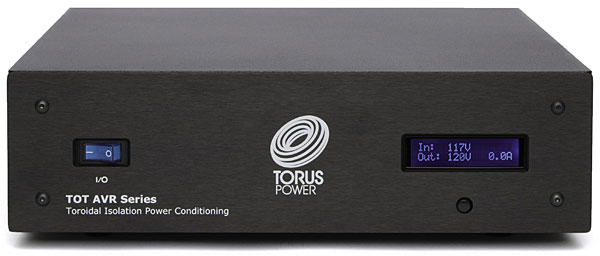
Torus Power TOT AVR power conditioner

Merriam-Webster's 11th Collegiate Dictionary defines tot as "1: a small child: TODDLER; 2: a small drink or allowance of liquor: SHOT." Torus Power used it to name their compact line of toroidal power conditioners. Although small in size, weight, and price, the TOT AVR includes the Automatic Voltage Regulation referred to in its name, as well as noise filtering and smart Ethernet control, and is available with series-mode surge suppression (SMSS) circuit protection.

PS Audio PerfectWave P10 Power Plant AC Regenerator

Stereophile hasn't reviewed a PS Audio power regenerator since February 2009, when Robert Deutsch tried the company's then-flagship, the Power Plant Premier ($2195). But earlier this year, as I prepared to write my review of PS Audio's NuWave DSD DAC (published in the May 2016 issue), a perfect opportunity to revisit the line came about: I read, in the owner's manual for the PSA DAC, that "power conditioners and the quality of the AC power can make a significant difference in sound quality." Eager to help the NuWave DSD put its best foot forward, I asked PS Audio to assist me in dealing with my AC power, which is marginal here in crowded New York City. They sent me their PerfectWave P10 Power Plant AC Regenerator ($4999)—and John Atkinson asked me to spill some ink on this most recent of the company's clean-power flagships.

AudioQuest 3 US Power Strip

There never seem to be enough AC outlets, and when there are, they're not always easily accessible. I have two dedicated 15A duplex outlets at the power-amp end of my room, but a subwoofer and multiple power amps (up to three at a time) exhaust those facilities. What happens when I need to add a second subwoofer or other EQ? What do I do when I want to keep more than three amps cooking for quick comparisons?

PS Audio Quintet Power Center

PS">http://www.stereophile.com/powerlineaccessories/ps_audio_power_plant_pr… Audio's Power Plant Premier is a high-end product that takes the regeneration approach in providing audio/video gear with the cleanest AC possible. But not everyone can afford to spend $2195 on such a product, and although the new amplifier design that forms the basis of the Premier is relatively efficient, it does use power, and concern about conservation of the planet's energy resources might lead one to prefer a passive approach to power-line treatment. PS Audio's line of Power Centers provides such an alternative. The model I had for review was the Quintet Power Center, which differs from the Duet Power Center only in having five pairs of receptacles to the Duet's two.


Advertisement
Advertisement
Advertisement